
Ultimate Vietnam Packing List
Vietnam throws everything at you. Blazing tropical heat in the south, cool misty mountains in the north, surprise monsoon downpours in the middle, and temple dress codes everywhere in between. Pack smart and you’ll breeze through all of it. Pack wrong and you’ll be sweating through heavy jeans in Hoi An or shivering on a night bus to Sa Pa. This guide covers exactly what to bring, region by region, so you can travel light, stay comfortable, and focus on the good stuff.
The Quick Summary:
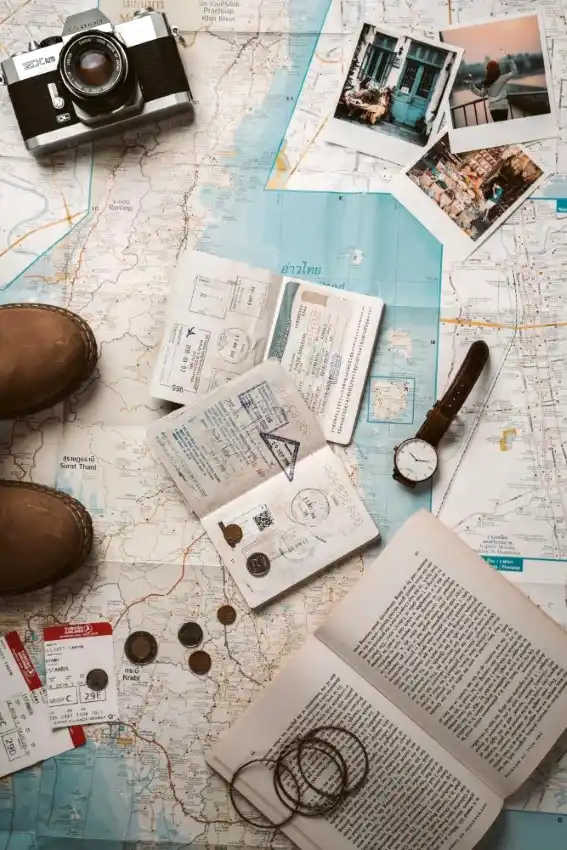
- Paperwork Basics: Carry a printed copy of your approved e-visa and a passport with at least six months of validity remaining from the date you arrive.
- Weather Realities: Bring warm layers for the northern highlands around Sa Pa, and lightweight, moisture-wicking fabrics for the sticky central and southern heat.
- Footwear Strategy: Comfortable walking shoes with solid grip for cracked city pavements, plus easy slip-ons for stepping in and out of temples without holding up the queue.
- Luggage Tip: Leave the massive hardshell suitcase at home. A durable 40L to 50L backpack is infinitely easier to manage on crowded pavements, local buses, and overnight trains.
- Budget Snapshot: Street food runs 30,000 to 70,000 VND ($1.20 to $2.90 USD) per meal. Mid-range guesthouses start from around 350,000 VND ($14 USD) per night. Budget travel is very achievable, and luxury options are plentiful too.

Reserve your Vietnam hotel with no
upfront payment on most rooms. Free
cancellation up to a day before check-in
keeps your trip flexible if plans shift.
What Clothes Do You Need for Vietnam?
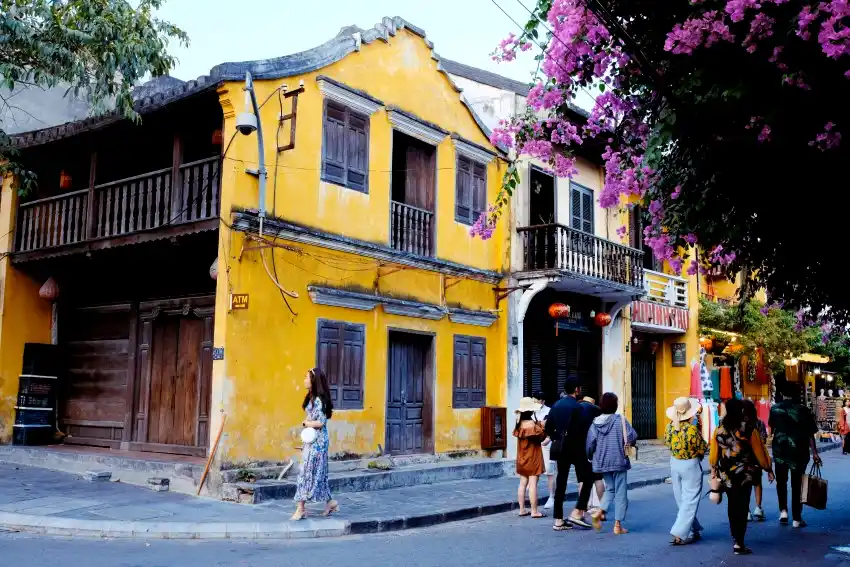
The golden rule for packing clothes in Vietnam is lightweight and quick-dry. Linen, merino wool, and thin nylon performance fabrics are your best friends. They handle tropical humidity without complaint and dry in under an hour at local laundries. Heavy denim or thick cotton, on the other hand, stays wet for hours once it gets hit by sweat or a passing downpour.
For city exploration in Hanoi or Ho Chi Minh City, casual but tidy clothes strike the right balance. The moment you step inside a temple, pagoda, or any religious site, covered shoulders and knees are expected. Toss a lightweight sarong or scarf into your day bag. It weighs nothing and solves the problem instantly at every unplanned stop. Our Vietnam temples and pagodas guide has the full breakdown of what to expect at different sites.
Planning to head north to Sa Pa or Ha Giang? Even in summer, evenings in the mountains dip noticeably. Pack one good fleece and a windbreaker and you’ll be sorted for anything the highlands throw at you. If you’re heading to central Vietnam, check the best time to visit Vietnam before you finalise your dates. The central monsoon season (October to December) hits hard and fast.
Packing Requirements by Region:
| Region | Weather Vibe | Must-Pack Items |
|---|---|---|
| Northern Vietnam (Hanoi, Sa Pa, Ha Long Bay) | Four genuine seasons; winters can drop to a chilly 10°C (50°F), summers are hot and humid. | Windbreaker, fleece jacket, thermal base layers, long trousers. |
| Central Vietnam (Da Nang, Hoi An, Hue) | Scorching dry summers reaching 38°C (100°F); heavy monsoon rains from October through December. | Breathable linen shirts, swimwear, lightweight rain poncho, shorts, sarong. |
| Southern Vietnam (Ho Chi Minh City, Mekong Delta, Phu Quoc) | Hot and tropical year-round, averaging 30°C (86°F); defined wet and dry seasons. | Ultra-lightweight tees, loose trousers, UV-protection sunglasses, comfortable sandals. |
Backpack or Suitcase: What Bag Should You Bring?
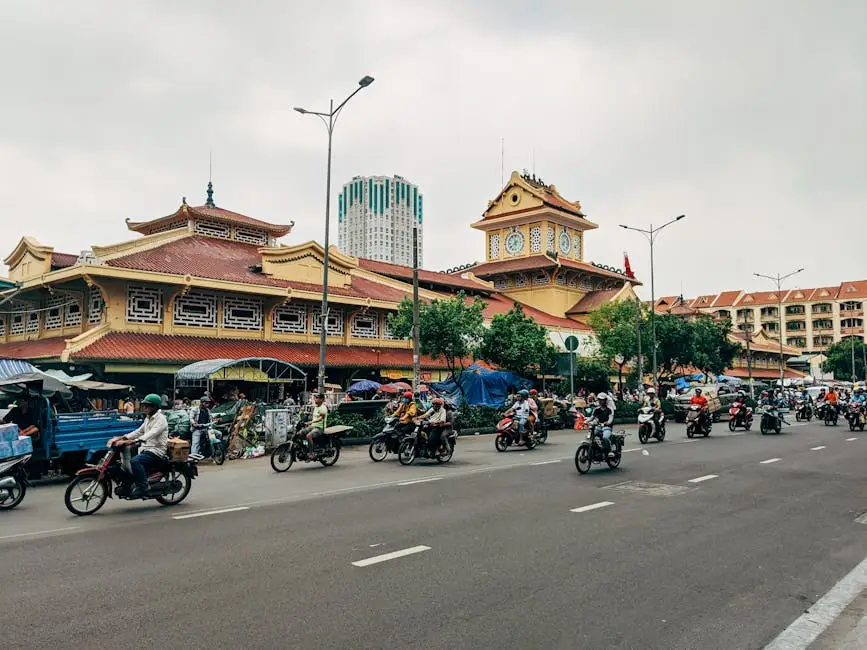
This comes up constantly, so let’s settle it. Vietnam is not a suitcase country. The pavements in Hanoi’s Old Quarter are a rolling obstacle course of motorbikes, street food stalls, and uneven tiles. Dragging a wheeled suitcase through that on a sweaty afternoon is genuinely painful. Overnight buses, local ferries, and guesthouses with no lifts make a big hardshell even more impractical.
A 40L to 50L backpack handles everything comfortably. If you’re serious about travelling light, the 7kg carry-on challenge is worth a read. It’s entirely doable for a two-week trip, especially if you factor in Vietnam’s brilliant and cheap laundry services (most guesthouses offer wash-and-fold for around 20,000 to 30,000 VND per kilogram).
Whatever bag you choose, pack a small lightweight day bag too. A packable tote or a 15L to 20L daypack is what you’ll actually live out of on a daily basis. Keep it slim enough to wear on your front in crowded markets and night buses, where bag snatching, while rare, is worth guarding against. The Vietnam safety guide covers the specifics on what to watch for and where.

From boutique guesthouses to five-star
resorts, Agoda has Vietnam’s best stays
covered. Strong Asia inventory means
deeper discounts than you’d expect.
Which Shoes Are Best for Vietnam?
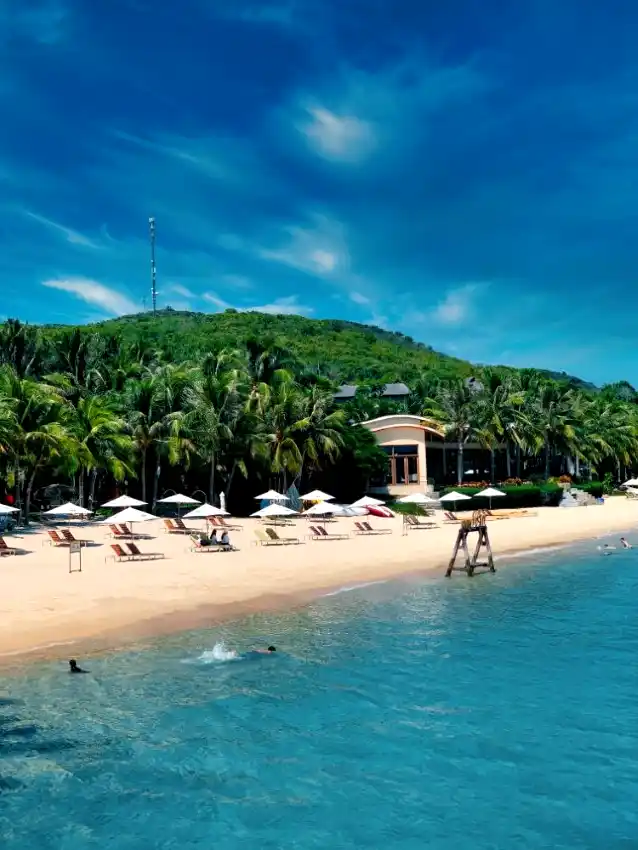
Two pairs. That’s the winning formula for footwear in Vietnam. One pair of breathable, high-traction walking shoes or trainers for long city days and trekking. One pair of good-quality waterproof sports sandals for beaches, boat trips, and anywhere you’ll be slipping your shoes off repeatedly.
Your walking shoes will work overtime. They’ll carry you through the cobblestones of Hanoi’s Old Quarter, across the slippery terraced rice paddies near Sa Pa, and up the uneven steps of ancient citadels in Hue. Make sure they have breathable mesh uppers. Your feet will thank you after a long, humid afternoon.
Sandals with secure ankle straps are a brilliant backup for beach towns like Nha Trang, the lanes of Hoi An, and any pagoda visit where removing your footwear at the door is standard practice. One firm rule: leave suede and leather shoes at home. One monsoon puddle and they’re finished.
Electronics, Apps, and Staying Connected:
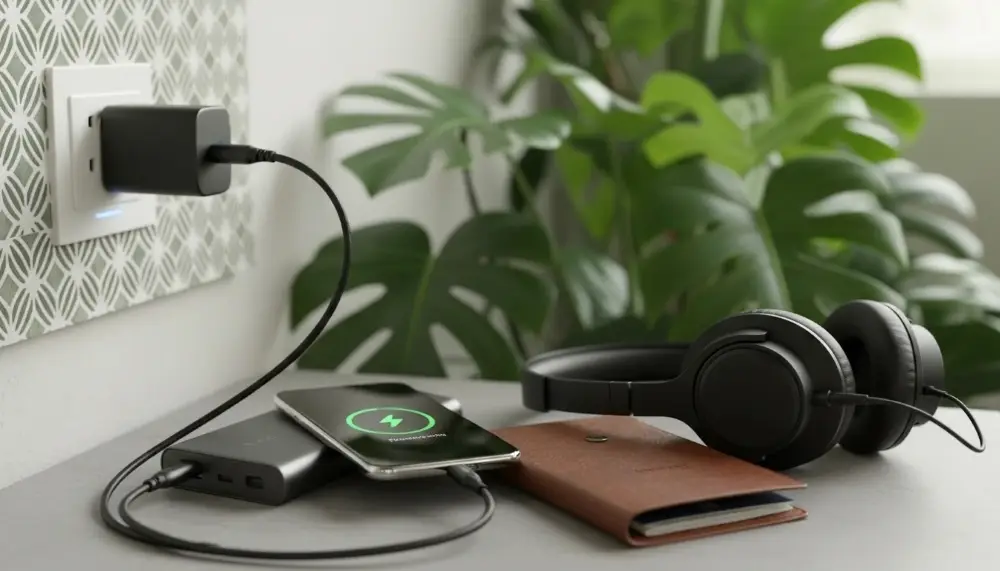
The non-negotiable tech trio for Vietnam: a 10,000mAh power bank, a universal travel adapter, and an unlocked smartphone. Vietnam uses Type A, C, and F sockets at 220V, so most modern devices handle it fine, but an adapter keeps you covered in older guesthouses and rural homestays. Keep the power bank in your day bag. A full day of GPS, photos, and translation drains batteries fast.
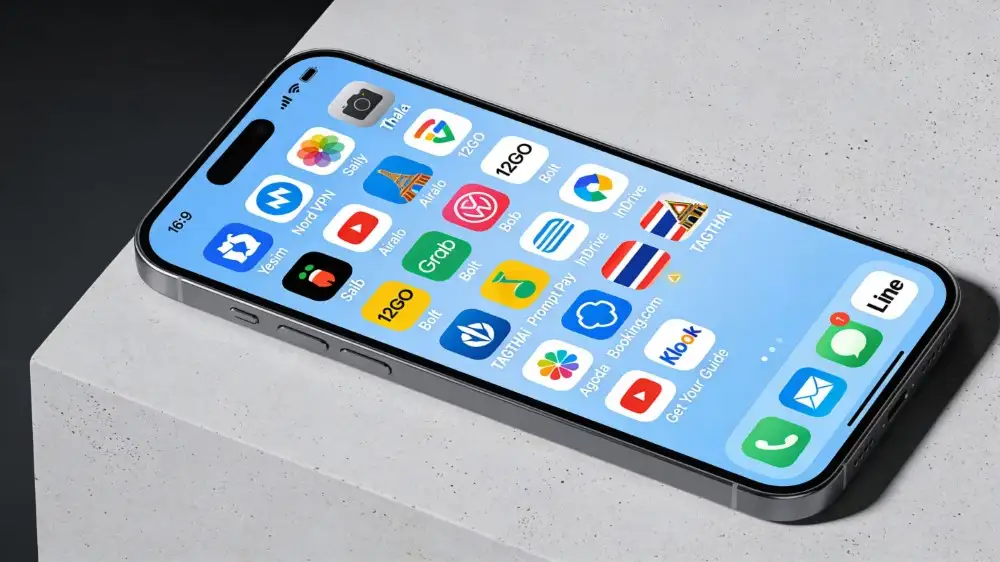
Get online before you even clear immigration. Setting up an eSIM through Yesim in advance means your maps and translation apps are live the moment you land, with no queuing at airport counters. Airalo and Saily are solid alternatives, especially if you want a regional plan that covers multiple Southeast Asian countries on the same trip. Our full Vietnam SIM card and eSIM guide walks you through each option side by side.
Download Grab, Xanh SM, or Be for fixed-price rides before you arrive. For keeping tabs on your budget, knowing prices in advance is half the battle. Agoda and Booking.com are consistently reliable for accommodation across Vietnam. Klook and Get Your Guide are excellent for snagging guided tours and activities, especially in busy spots like Ha Long Bay or the Mekong Delta where good tours sell out fast. For keeping your data secure on public Wi-Fi at hotels, cafes, and co-working spaces, running NordVPN on your phone is a sensible habit.

Compare tours and tickets across Vietnam
and book instantly on your phone.
Klook’s mobile vouchers mean no
printing, no fuss, just turn up and go.
What Medical Supplies Are Essential?

Your medical kit doesn’t need to fill half your bag. Focus on the essentials: DEET or Picaridin insect repellent, SPF 50 sunscreen, anti-diarrheal tablets, rehydration salts, a small blister kit, and any prescription medication you take regularly. Vietnamese pharmacies, particularly Pharmacity and Long Chau chains in the cities, stock international brands and are genuinely excellent. Our Vietnam pharmacy guide has a full breakdown of what you can easily buy locally versus what’s worth packing. Having the basics in your bag means a dodgy stomach on a remote highland road doesn’t derail your whole day.
Sun protection deserves more respect than most travellers give it. Even on overcast days over Ha Long Bay, the UV intensity is serious. Apply sunscreen every morning as a reflex, the same way you’d check your pockets before leaving. Dengue fever is present in both urban and rural areas across Vietnam, so bug spray at dawn and dusk is worth making a habit of.
Rehydration salts are worth packing even if you never use them. Heat and a sudden change in diet can hit harder than expected, and a couple of sachets dissolved in a bottle of water can turn a miserable afternoon back into a perfectly good one. For anything more serious, the Vietnam healthcare guide covers hospitals and clinics across all the major cities.

Lock in top-rated Vietnam tours with
GetYourGuide’s free cancellation up to
24 hours before. Reserve now and pay
later if your dates aren’t locked in.
Cultural Etiquette and Customs Worth Knowing:
Vietnamese people are warm and welcoming to visitors, and a small effort towards cultural respect gets noticed and appreciated. At temples, pagodas, and the Temple of Literature in Hanoi, covered shoulders and knees are expected. Remove your hat before entering and keep your voice down inside. Your lightweight sarong or scarf does the job every time. For the full picture on what to expect at specific sites, the Vietnamese culture and etiquette guide is well worth a read before you go.
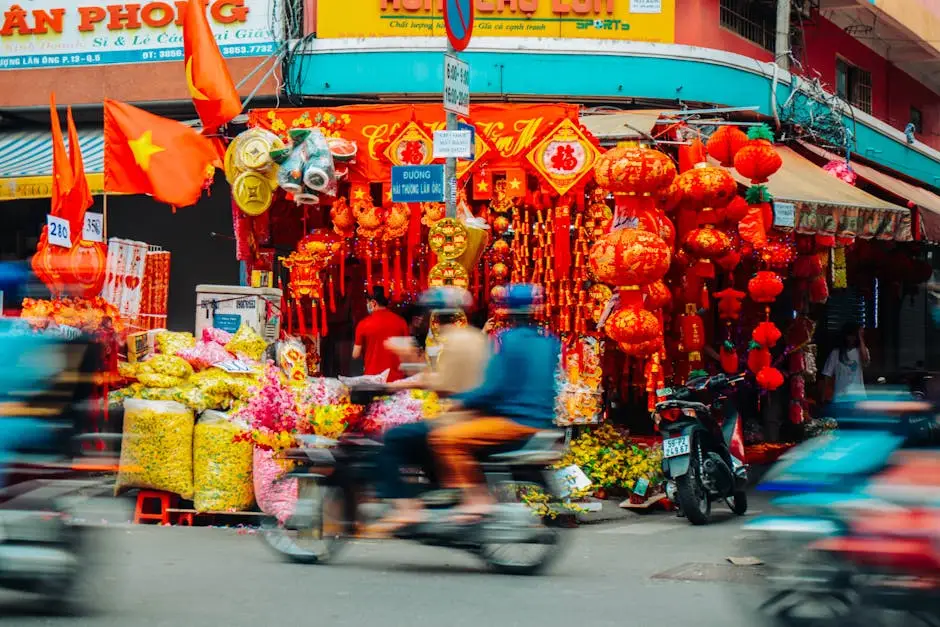
Crossing the Road: This one deserves its own paragraph. In cities like Hanoi and Ho Chi Minh City, motorbike traffic is constant and flowing. The technique is simple: walk slowly, steadily, and predictably. Don’t run, don’t stop suddenly. Riders will calculate their path and flow around you like water round a stone. It works every single time, once you trust it.
Tipping: Not traditionally expected at local restaurants or street stalls, but appreciated by tour guides, drivers, and staff at spas and boutique hotels. Rounding up a bill or leaving 20,000 to 50,000 VND ($0.80 to $2 USD) is always warmly received.
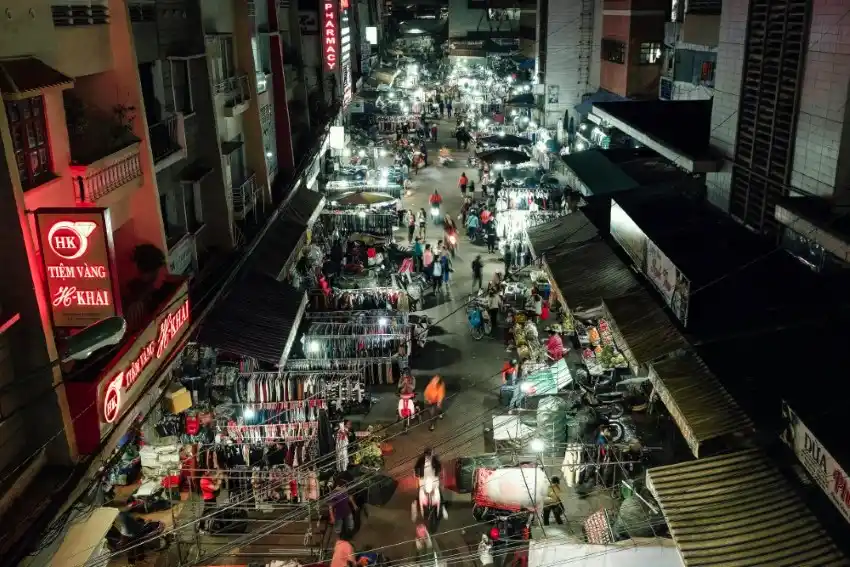
Bargaining: Perfectly normal at markets like Ben Thanh or Dong Xuan. Keep it friendly and light. Aim for a fair deal, not rock-bottom. If a vendor won’t move on price, a smile and a polite walk away often results in a shout with a better offer before you’ve taken three steps. For a deeper dive into the Vietnam night markets scene, there’s a lot more to discover beyond the tourist staples.
What to Leave at Home:
Packing light is a skill, and knowing what NOT to bring is half the battle. Vietnam’s cities are stocked with everything you could possibly need, often at a fraction of the price you’d pay at home. Here’s what consistently ends up taking up space for no good reason:
- Towels: Every guesthouse and hotel provides them. A compact travel towel is only worth packing if you’re heading somewhere very rural or doing homestays off the beaten track.
- Excessive toiletries: Shampoo, conditioner, sunscreen, and basic medicines are all available cheaply at Pharmacity, Long Chau, and every Circle K on the planet. Bring enough for your first couple of days, no more.
- Formal clothes: Unless you’re attending a specific event, Vietnam is casual. Smart casual covers you for every restaurant, rooftop bar, and business meeting you’re likely to have.
- Leather shoes or suede: One puddle and they’re done. Leave them.
- Heavy books or guidebooks: Download your reading to your e-reader and save the weight.
- A full medicine cabinet: Serious about this one. Vietnamese pharmacies are excellent and cheap. Pack your prescription meds and a small first aid kit, nothing more.
If you’re really serious about travelling light, the 7kg carry-on challenge will recalibrate your entire approach to packing. It’s genuinely doable for a two-week trip in Vietnam, and you’ll wonder why you ever checked a bag.
Pro Tips for Stress-Free Travel:
- Cash is King: Street vendors, local markets, and smaller guesthouses almost universally run on cash. Keep Vietnamese Dong in smaller denominations. 20,000, 50,000, and 100,000 VND notes are ideal. A 500,000 VND note at a street stall will be met with a long, pained search for change. For a full breakdown of how Vietnamese currency and ATMs work, that’s worth a read before you land.
- Ride Apps: Grab, Xanh SM, and Be give you transparent, fixed pricing for both motorbike taxis and cars. No meter arguments, no guesswork. Download at least one before you land. Our Grab vs Xanh SM comparison breaks down which app wins in different situations.
- Getting Around Between Cities: Vietnam’s transport network is excellent once you know what to use. The Reunification Express train is one of the best ways to travel the country, especially the coastal stretch through Hue and Da Nang. For overnight journeys, 12GO is the most reliable way to book trains and sleeper buses in advance.
- Book Transfers Early: Airport pickups in Hanoi and Ho Chi Minh City can be chaotic. Welcome Pickups offers fixed-rate, pre-booked airport transfers so someone is waiting with your name on a sign the moment you walk out. Our guide to Vietnam’s airports covers which terminals you’ll be arriving at and what to expect on arrival.
- Book Tours in Advance: Ha Long Bay cruises, Cu Chi Tunnels tours, and cooking classes in Hoi An fill up quickly, especially in peak season. Klook and Get Your Guide both let you filter by date, review, and price, with generally reasonable cancellation policies.
- Travel Insurance: Vietnam is generally safe and healthcare in the cities is solid, but travel insurance covering medical evacuation is worth having, particularly if you’re planning motorbike trips or adventure activities. SafetyWing is a popular choice for longer trips and slow travellers. AirHelp is also worth knowing about. It handles flight delay and cancellation compensation claims on your behalf if things go sideways at the airport.

Stay online across Vietnam without the
daily-data limits of standard tourist
SIMs. Yesim’s eSIM offers unlimited 5G
from around $10 for the whole trip.
Note for the Nervous Traveller:
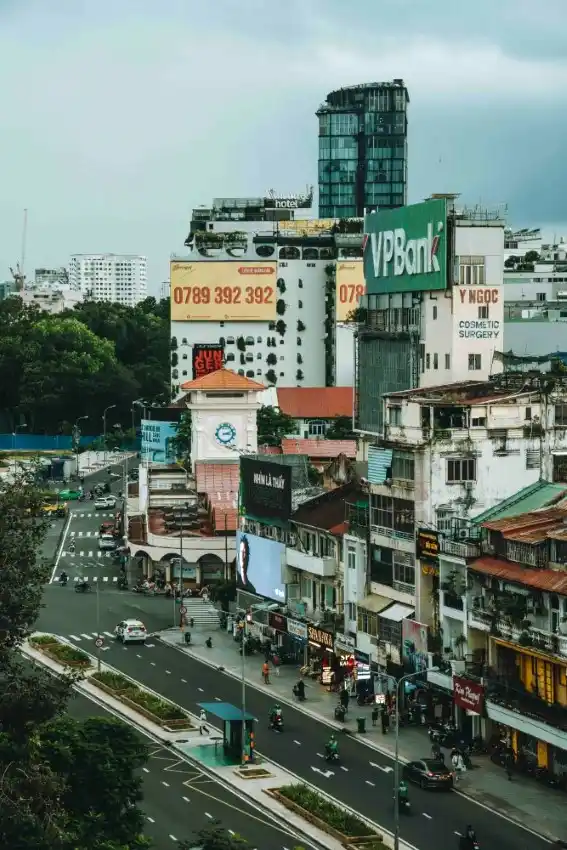
Vietnam is one of the safest countries in Southeast Asia for travellers. Violent crime directed at tourists is rare. The locals are curious, friendly, and proud of their country. Most interactions are warm ones.
The things to keep an eye on are the everyday stuff: opportunistic bag snatching from passing motorbikes on busy streets in Ho Chi Minh City, and phone pickpocketing in very crowded night markets. A bag worn across your body and a hand on your phone in tight spaces covers you for most situations. For a proper reassurance read, the Is Vietnam Safe guide covers all the common concerns honestly and without scaremongering.
Stick to bottled water, pick street food stalls that are buzzing with local customers (high turnover means fresh ingredients), and ease into spicier dishes gradually if your stomach is adjusting. With a bit of common sense and an open mind, Vietnam rewards you generously. The chaos on the surface hides one of the most organised, welcoming, and extraordinary travel destinations on the planet.
Frequently Asked Questions:
Can I buy toiletries and western medicines easily in Vietnam?
Yes, easily. Pharmacity and Long Chau pharmacy chains operate in every major city and carry international brands of sunscreen, shampoo, and standard over-the-counter medicines. Circle K and FamilyMart convenience stores fill any remaining gaps. You don’t need to pack a year’s supply of anything, just enough to cover your first couple of days.
Is a backpack or a suitcase better for travelling around Vietnam?
A backpack every time. Vietnam’s pavements are a rolling obstacle course of motorbikes, street food stalls, and uneven tiles. Dragging a wheeled suitcase through Hanoi’s Old Quarter or up a guesthouse staircase is genuinely painful. A 40L to 50L backpack handles everything from overnight buses to island ferry transfers with far less stress.
What should I pack for the rainy season?
A lightweight, breathable rain jacket is far better than a bulky umbrella in Vietnam’s downpours. Quick-drying shoes or sandals are essential. A dry bag or waterproof phone pouch protects your camera and electronics when the sky opens unexpectedly. Avoid cheap plastic ponchos in tropical heat, they trap sweat as efficiently as rain.
Do I need a visa, and how do I get one?
Most nationalities require a visa for Vietnam. The e-visa is the easiest route, apply online through the official Vietnamese immigration portal before you travel, pay the fee (currently around $25 USD), and receive approval digitally within three business days. Print a copy and keep it with your passport. Check your specific nationality’s requirements well before you book flights, as exemptions and validity periods vary.
Is it safe to drink tap water in Vietnam?
No. Tap water is not safe to drink anywhere in Vietnam. Bottled water is extremely affordable, a 1.5L bottle costs around 10,000 to 15,000 VND (under $0.60 USD), and available everywhere. Many hotels and guesthouses provide complimentary refill stations or bottled water in rooms. A reusable water bottle with a built-in filter is a good investment if you want to reduce plastic waste.
How do I get a local SIM card or eSIM for Vietnam?
Physical SIM cards from Viettel or Vietnamobile are available at all major airports on arrival for a few dollars, including generous data packages. If you’d rather skip the queue entirely, set up an eSIM through Yesim, Airalo, or Saily before you fly. Your phone needs to be unlocked and eSIM-compatible for this option.
What voltage and plug type does Vietnam use?
Vietnam runs on 220V with Type A, C, and F sockets. Most modern hotels have universal sockets that accept plugs from all regions. A compact universal travel adapter is worth packing for older guesthouses, rural homestays, and overnight train compartments where you may only get one specific socket type.
Is it worth booking accommodation in advance?
For peak season (November through March in the south, summer school holidays everywhere), yes especially in popular spots like Hoi An, Ha Long Bay, and Phu Quoc, where good-value places fill up fast. Agoda and Booking.com both offer solid inventory for everything from budget dorms to five-star resorts, with flexible cancellation on most listings if your plans shift.
What currency should I use, and where do I exchange money?
Vietnamese Dong (VND) is the only currency you need. ATMs are widely available in cities and tourist areas. Airport exchange desks are convenient but offer worse rates a licensed currency exchange booth in town or a local bank ATM will give you more for your money. Keep a good stock of small bills (20,000, 50,000, 100,000 VND) for street food, markets, and tuk-tuk rides.
How do I get between cities in Vietnam?
Vietnam has a genuinely good range of options. The Reunification Express train is one of the most scenic and comfortable ways to travel the main north-to-south corridor, particularly the stretch from Da Nang through Hue. Sleeper buses run almost everywhere and are cheap and surprisingly comfortable on major routes. For longer jumps Hanoi to Ho Chi Minh City, for example domestic flights on VietJet or Bamboo Airways are fast and affordable. Use 12GO to compare and book trains and buses in one place.