Vietnamese Culture & Etiquette
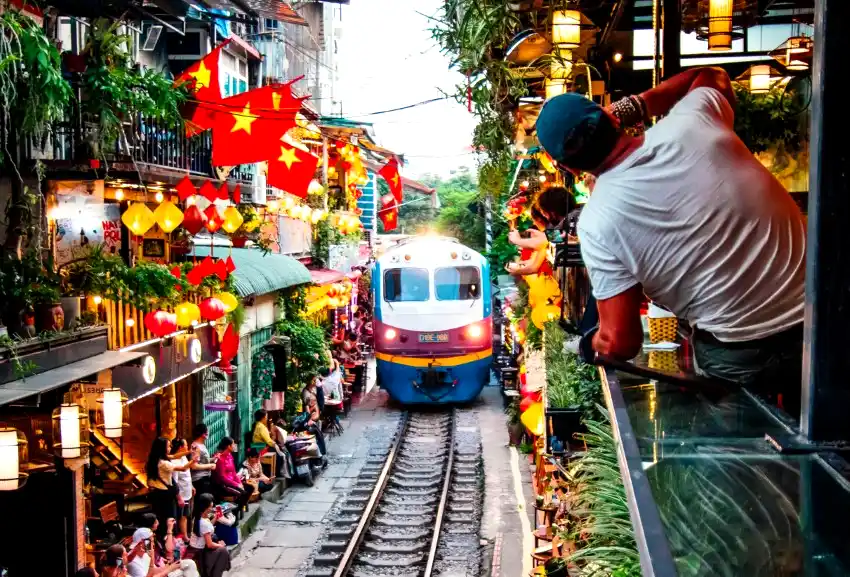
Vietnam welcomes you with a brilliant flash of sensory details: the aromatic steam of boiling beef broth on a chilly morning in the Hanoi Old Quarter, the rhythmic roar of motorbikes streaming down the avenues of Ho Chi Minh City, and the quiet dignity of burning incense inside an ancient temple. Mastering the unwritten social rules of this vibrant country completely transforms an ordinary holiday into a deep, respectful exchange.
The Quick Summary:
- Temples and Pagodas: Keep your shoulders and knees fully covered. Always remove your shoes and hats before entering indoor sanctuary spaces.
- Table Manners: Never stick your chopsticks vertically into a bowl of rice. Use both hands whenever you’re passing dishes or drinks to someone else.
- Tipping Customs: Tipping isn’t a traditional custom here, but it is highly appreciated in tourist sectors. Leaving a small cash gratuity for exceptional tour guides and spa staff goes a long way.
- Bargaining Etiquette: Always negotiate with a warm smile at traditional open-air markets. Never argue aggressively or push for deep discounts on the very first sale of the morning.
- Regional Vibe: The North prizes traditional formality and subtle social protocols. The South completely embraces a more casual, high-energy, and direct style.

Compare hotel prices across Vietnam’s best
neighbourhoods and book with confidence.
Filter by budget, location, or guest score
to find the right stay for your trip.
What Are the Golden Rules of Vietnamese Etiquette?
Vietnamese social etiquette centers on respect for seniority, preserving personal dignity (saving face), and maintaining community harmony. Local interactions rely heavily on subtle concepts of respect, harmony, and community awareness, once you understand these invisible social boundaries, you’ll notice a massive difference in how vendors greet you, how servers assist you, and how locals open up to you.
| Cultural Scenario | Correct Local Behavior | Action to Avoid |
|---|---|---|
| Visiting Sacred Shrines | Cover shoulders and knees; step over door thresholds completely. | Pointing your feet directly at altars or Buddha statues. |
| Sharing a Meal | Use both hands to pass platters; rest chopsticks horizontally across bowls. | Sticking chopsticks vertically into a bowl of rice. |
| Market Shopping | Negotiate gently with a warm smile; accept the final agreed price. | Initiating aggressive arguments or walking away after a price matches your offer. |
What Makes Each Situation Unique?
From sacred temple visits to street market haggling and navigating motorbike-packed roads, every setting in Vietnam carries its own set of unspoken expectations. Getting each one right builds trust, earns genuine warmth from locals, and keeps your trip running smoothly.

Temples and Pagodas
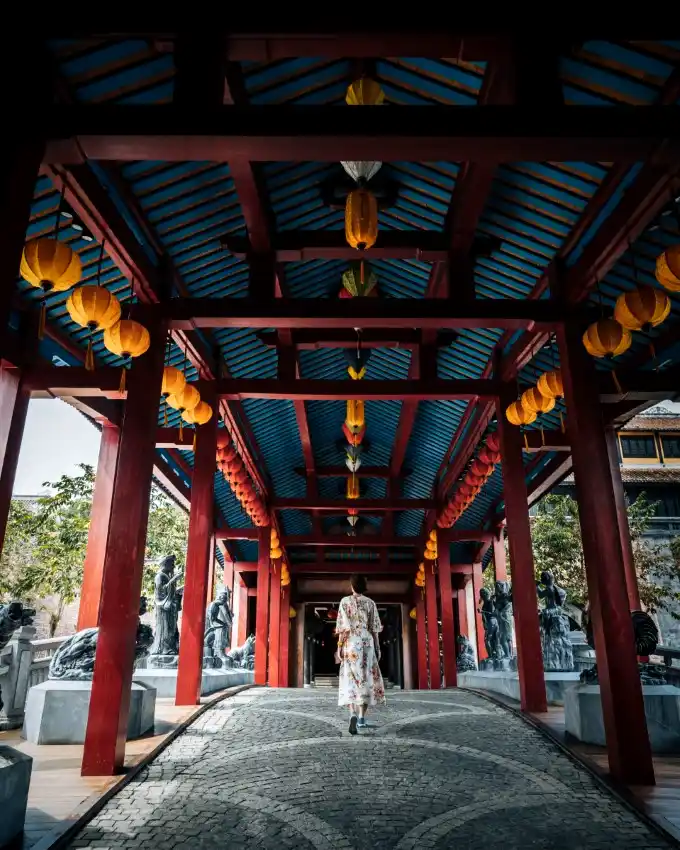
Dress codes for Vietnamese temples require conservative clothing that completely covers your shoulders and knees. When entering the main altar room of a pagoda, cross the threshold by stepping completely over the raised wooden or stone beam, never step directly onto the beam itself, as this is considered highly disrespectful to the guardian spirits of the temple.
Take off your hat before entering the indoor sanctuary, and avoid snapping photos inside main prayer halls while locals are actively worshipping.
Table Manners
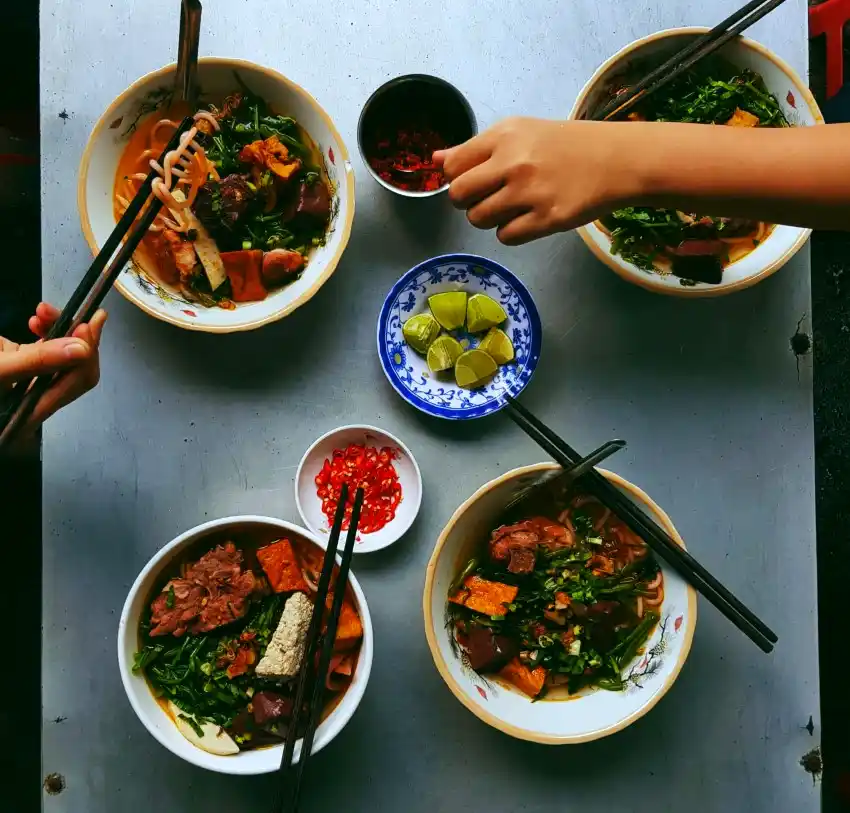
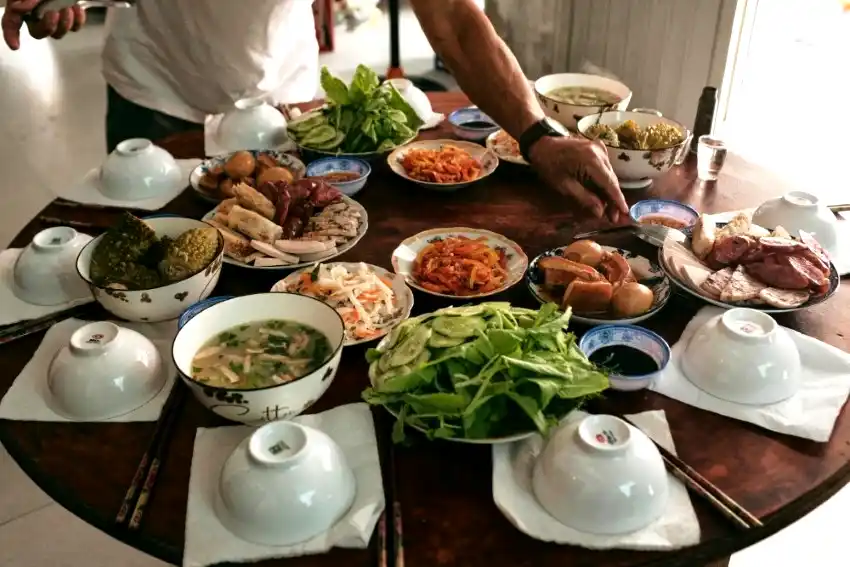
Vietnamese dining etiquette emphasizes shared platters, communal participation, and specific utensil placement to honour the food and your host. Never stick your chopsticks vertically into a bowl of rice, this arrangement mirrors incense sticks burning in a funeral urn, representing a severe omen of death.
When pausing between bites, rest your chopsticks horizontally across the top of your rice bowl. When passing food or drinks to anyone at the table, always use both hands or support your right elbow with your left hand as a sign of genuine respect.
Tipping and Bargaining
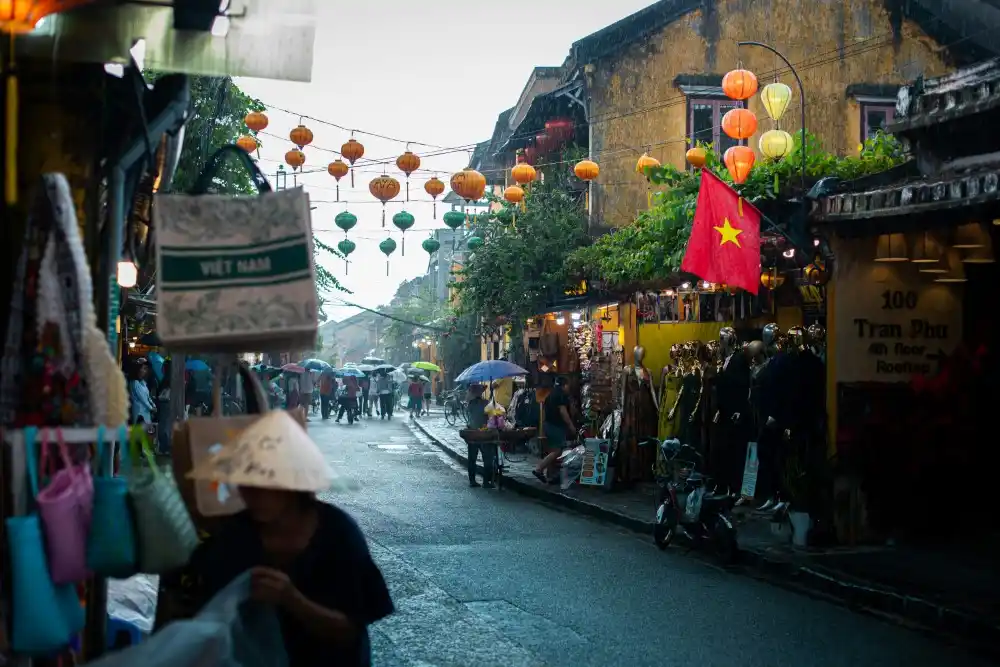
Tipping doesn’t exist in traditional street food stalls and local coffee shops, leave extra cash and your server may well chase you down the street to return it!
However, for private drivers, tour guides, and high-end spa therapists, a tip of 50,000 VND to 100,000 VND ($2.00 to $4.00 USD) is a meaningful token of appreciation.
At open-air markets like Ben Thanh or Dong Xuan, start negotiations at roughly 40% to 50% below the asking price and work toward a friendly middle ground.
Never bargain aggressively early in the morning, the vendor’s first transaction of the day is believed to set their financial fortune for the rest of it.
Cracking the Motorbike Maze
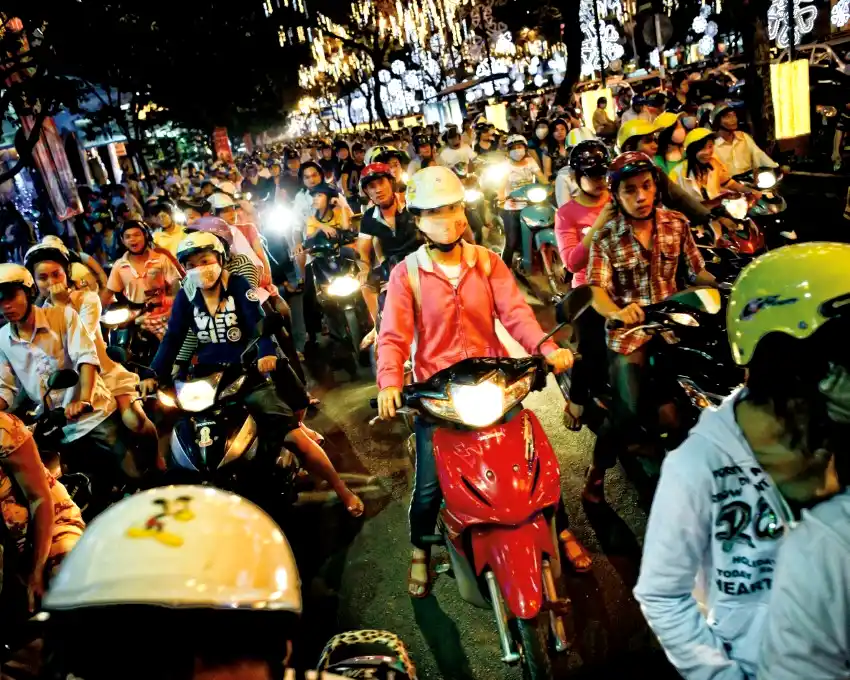
Crossing a street packed with hundreds of moving motorbikes can completely terrify an unprepared visitor.
The secret to safety lies in steady predictability: walk at a slow, continuous pace while maintaining eye contact with oncoming riders.
Do not stop abruptly, do not sprint, and do not make sudden backward movements. Motorbike drivers are actively calculating your trajectory based on your current speed, keeping a steady forward pace allows them to smoothly steer right around you.
When renting a scooter, park only in designated Giu Xe zones and always pay the small 5,000–10,000 VND parking fee.
General Social Rules
Vietnamese social etiquette prizes respect for seniority above almost everything else.
Addressing locals with the correct honorific, like anh for an older brother figure or chi for an older sister figure, shows fantastic manners.
Public displays of affection between romantic partners are frowned upon outside of modern nightlife districts, while friends of the same gender holding hands is entirely normal.
When visiting a local home or traditional business, always check for shoes lined up at the entrance and remove yours immediately if you spot them.
Pro Tips For Stress Free Travel:

- Ride-Hailing Apps: Download Grab and Xanh SM before you arrive. Both provide transparent, fixed pricing for cars and motorbike taxis, completely eliminating the need to negotiate fares with independent drivers. Xanh SM operates an all-electric fleet for exceptionally quiet, eco-friendly rides.
- Accommodations & Activities: Use Agoda or Booking.com for reservations across Vietnam, from boutique homestays in Hoi An to luxury resorts in Phu Quoc. Turn to Klook or Get Your Guide for regional day trips, street food walking tours, and cruise packages.
- Connectivity: Grab a local eSIM via Yesim or buy a physical SIM card at the airport so you have instant data for maps and translation. Use a reliable VPN like Nord VPN to keep your personal data secure when logging onto public Wi-Fi networks in local coffee houses.
- Cash is King: Always carry physical Vietnamese Dong (VND) in smaller bills like 20,000, 50,000, and 100,000 VND. Street vendors and temple donation boxes don’t take cards, and small stalls will struggle to break a large 500,000 VND note.

Stay online across Vietnam without the
daily-data limits of standard tourist
SIMs. Yesim’s eSIM offers unlimited 5G
from around $10 for the whole trip.
A Note for Nervous Travellers:
Vietnam remains one of the safest travel destinations in Southeast Asia for solo travellers and families alike. Violent crime targeting international tourists is exceptionally rare across the entire country. Your primary concerns are petty opportunism and basic traffic safety.
Keep your smartphone and wallet secure near busy roadways to prevent drive-by bag snatches in dense tourist zones of Ho Chi Minh City.
Select street food stalls that enjoy a high turnover from local families, a constant crowd indicates fresh ingredients and proper food handling.
Stick to bottled water, and ensure ice cubes are factory-produced cylindrical tubes with holes through the centre, confirming they were made from purified water.
Pro Tip: If an unintended social mistake occurs, don’t panic. Offer a quick smile, make a gentle bow of the head, and say Xin Loi (pronounced “seen loy”), which translates directly to “I am sorry.” Taking ownership of the mistake with humility instantly de-escalates any social tension.

Book Vietnam day trips, attractions,
and activities in one place. Read real
reviews, check availability, and lock in
your spot before the popular slots go.
Frequently Asked Questions:
Is Vietnam safe for solo female travelers?
Yes, Vietnam is highly secure for solo female travelers. Standard personal safety awareness applies, but street harassment is rare, and locals are generally incredibly protective and welcoming toward international visitors.
Do people speak English in Vietnam?
English is widely spoken by younger generations and hospitality workers in major cities like Hanoi, Da Nang, and Ho Chi Minh City. In rural villages or traditional markets, communication relies on simple gestures, a friendly smile, and translation apps.
What should you do if you accidentally cause offense?
Don’t panic. Offer a quick smile, make a gentle bow of the head, and say Xin Loi (pronounced “seen loy”), which translates directly to “I am sorry.” Taking ownership of the mistake with humility instantly de-escalates any social tension.
Is bargaining expected everywhere in Vietnam?
Bargaining is standard practice at open-air markets like Ben Thanh in Ho Chi Minh City or Dong Xuan in Hanoi, but it is not appropriate in supermarkets, restaurants, or fixed-price shops. When in doubt, look for price tags, if there are none, a friendly negotiation is usually welcome.