Hoi An Beaches
Just a short ride from the lantern-lit streets of the Ancient Town, the coast opens up into something completely different. Wide sandy shores, warm turquoise water, buzzing beach clubs, quiet fishing coves, and some of the freshest seafood in Central Vietnam, all waiting within fifteen minutes of your hotel door.
Whether you’re here for a week on a shoestring, a family holiday, or scouting out a longer-term base, the beaches around Hoi An are one of Southeast Asia’s great undiscovered coastal scenes. And the best part? You can be back in time for a lantern-lit dinner in the Ancient Town before the mosquitoes even notice you’re gone.
The Quick Summary:
- Costs: Public beaches are free to enter. A sunbed at most beachfront restaurants is covered by ordering a drink or a bowl of Cao Lau, around 50,000 VND ($2.00 USD). Parking runs 10,000 to 20,000 VND ($0.40 to $0.80 USD). Premium beach club minimum spends start from around 200,000 to 500,000 VND ($8.00 to $20.00 USD).
- Best Swimming Season: February through August brings calm, clear water ideal for swimming and snorkelling. October through January is monsoon season. Expect high surf, strong undercurrents, and heavy rain. Experienced surfers love this window; everyone else should plan around it.
- Distance from Town: All three main beaches sit between 4.5 and 5.5 kilometres from the Ancient Town. By bicycle through the rice paddies it takes around 20 to 25 minutes. By Grab or motorbike, under ten minutes.
- Who It Suits: Backpackers, families, luxury travellers, digital nomads, and long-stay expats all find something here. This coastline genuinely has no wrong answer.

Skip the planning headache for Hoi An.
Klook offers day tours, tickets, and
experiences from around $25, with
instant confirmation to your phone.
Which Beach Should You Choose?
Three beaches, three very different personalities. An Bang is social, lively, and loaded with food options. Tan Thanh is slower, greener, and beloved by travellers who want to really settle in. Cua Dai is peaceful, restored, and home to the area’s finest luxury resorts. Here’s a fast comparison to help you pick your base, then we get into the good stuff below.
If you haven’t sorted where you’re sleeping yet, our Hoi An accommodation guide breaks down every neighbourhood so you can match your budget and travel style before you book. For a broader look at the area, the Da Nang vs Hoi An comparison is worth a read too if you’re still deciding which city to base yourself in.
| Beach | Best For | Distance from Ancient Town | Vibe |
|---|---|---|---|
| An Bang Beach | Beach clubs, dining, socialising, families | 5 km | Energetic, international, well-serviced |
| Tan Thanh Beach | Digital nomads, slow travel, organic food | 5.5 km | Bohemian, eco-focused, crowd-free |
| Cua Dai Beach | Sunrise walks, luxury resorts, peace | 4.5 km | Tranquil, restored, resort-led |
A Closer Look at Each Beach:
An Bang Beach
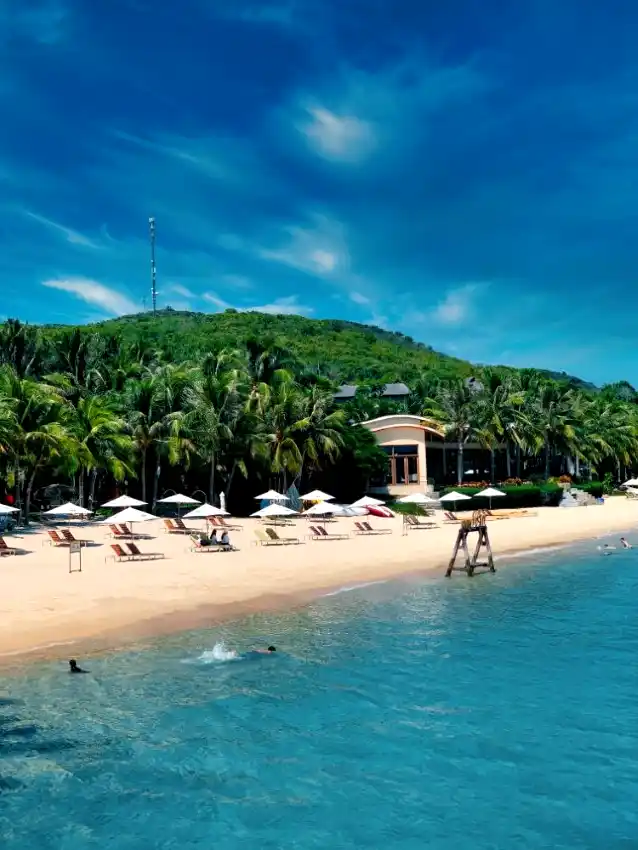
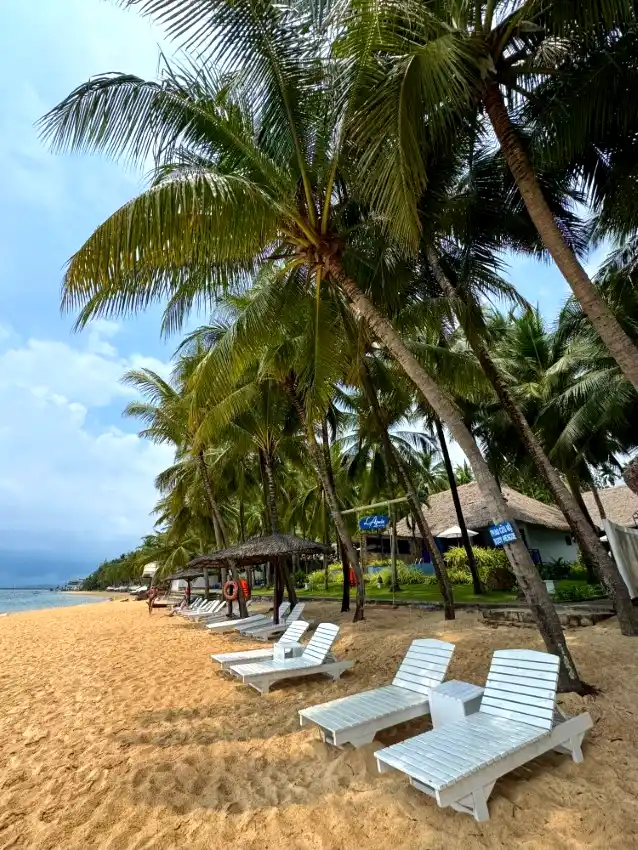
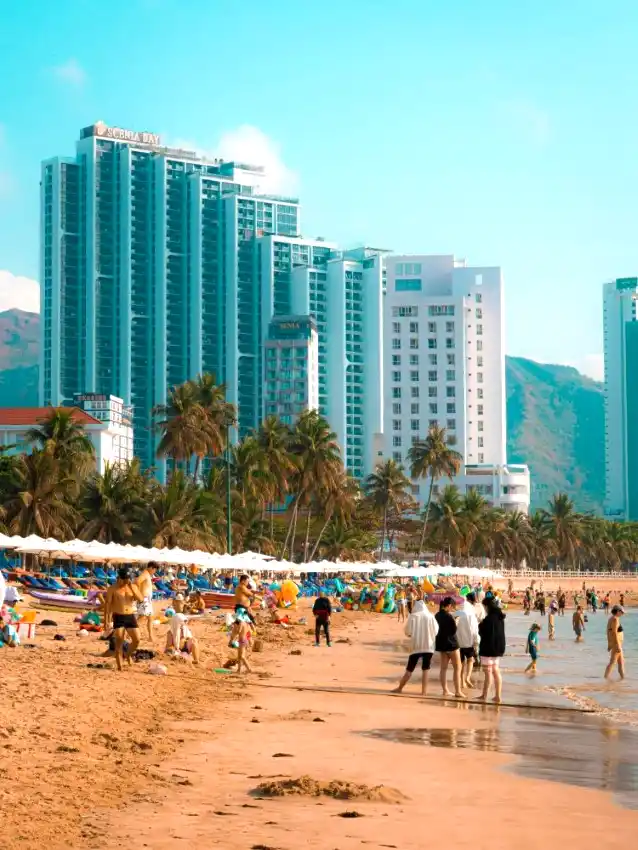
An Bang is the kind of beach you arrive at for a few hours and somehow end up staying all day. The sand is wide and white, the water is warm and swimmable from March through September, and the strip of restaurants and beach clubs behind the dunes serves everything from a cold Bia Hoi for 15,000 VND ($0.60 USD) to full Western-style menus with cocktails and poolside service. It’s the sort of place where you lose track of time in the best possible way.
Getting in is easy. Head down Hai Ba Trung Street to the main entrance, pay 10,000 to 20,000 VND ($0.40 to $0.80 USD) for motorbike parking, and walk straight through. The beach is completely public and free. Grab a sunbed from any beachfront restaurant by ordering something simple, a coconut water or a bowl of noodles does the job, and you’re sorted for the afternoon. For families, the central section has active lifeguards during peak season.
For groups or couples after more atmosphere, head slightly north or south of the main entrance where the proper beach clubs kick in, complete with pools, sound systems, and cocktail menus. It’s also one of the best places around to catch a sunset with a cold drink in hand. Take your time. There’s nowhere better to be. If you’re still planning your days in town, the Hoi An things to do guide will help you put together a proper itinerary around your beach days.
Tan Thanh Beach
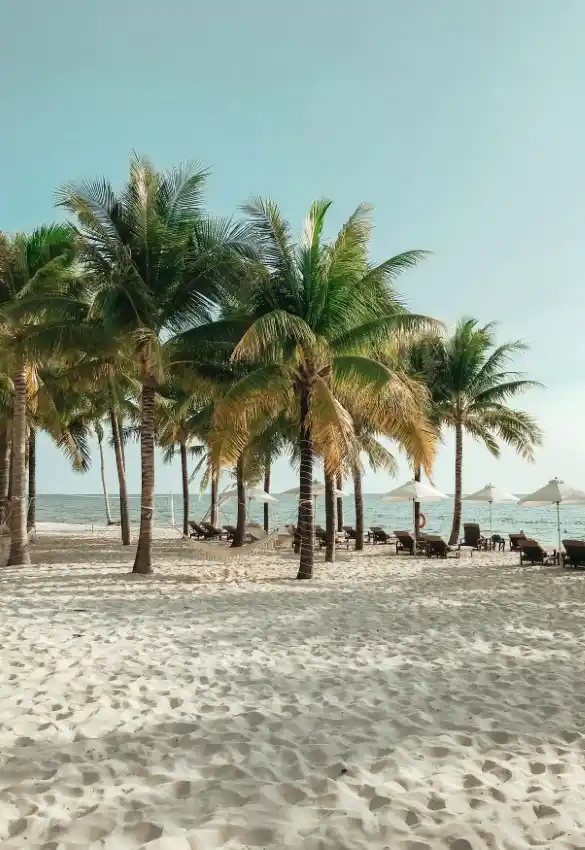
A short walk south of An Bang along the coast, Tan Thanh has carved out a reputation as Hoi An’s most relaxed and eco-conscious stretch of sand. If An Bang is your social hub, Tan Thanh is where you come to actually breathe out. The lanes leading down to the water are lined with independent specialty coffee shops pulling proper Vietnamese Robusta and Arabica blends. Perfect fuel for a morning working remotely before the afternoon beach session. If that sounds like your kind of day, the Vietnam Digital Nomad Guide has everything you need on basing yourself in this part of the country long-term.
The beach itself is uncrowded, with fewer vendors and significantly more room to spread out a sarong and read. On weekends, a small local flea market pops up nearby with handmade clothing, organic soaps, and locally sourced produce. Dining here leans toward fresh Central Vietnamese seafood and organic ingredients, and venues use bamboo straws and minimal single-use plastic as standard.
The crowd is a mix of long-stay digital nomads, expats from nearby Da Nang, and independent travellers who found An Bang just a touch too busy for their taste. If that description fits you, this is your beach.
Cua Dai Beach
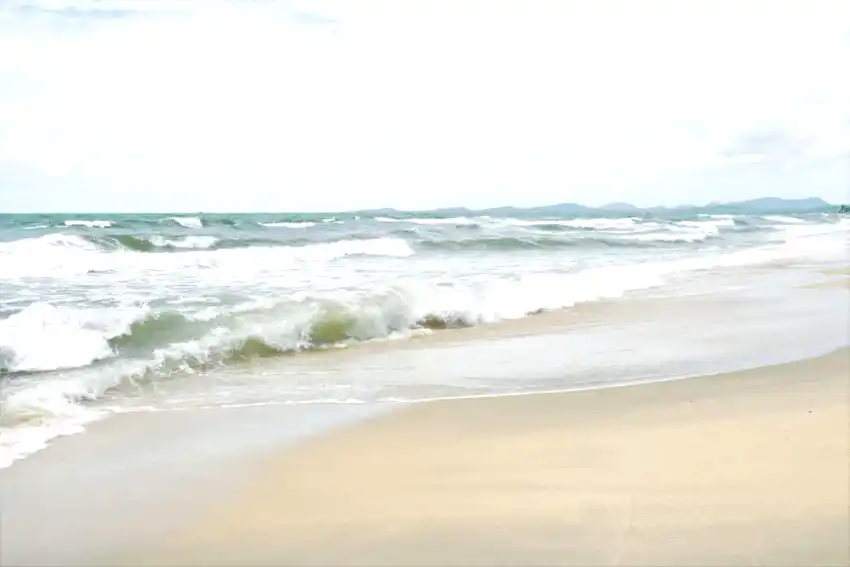
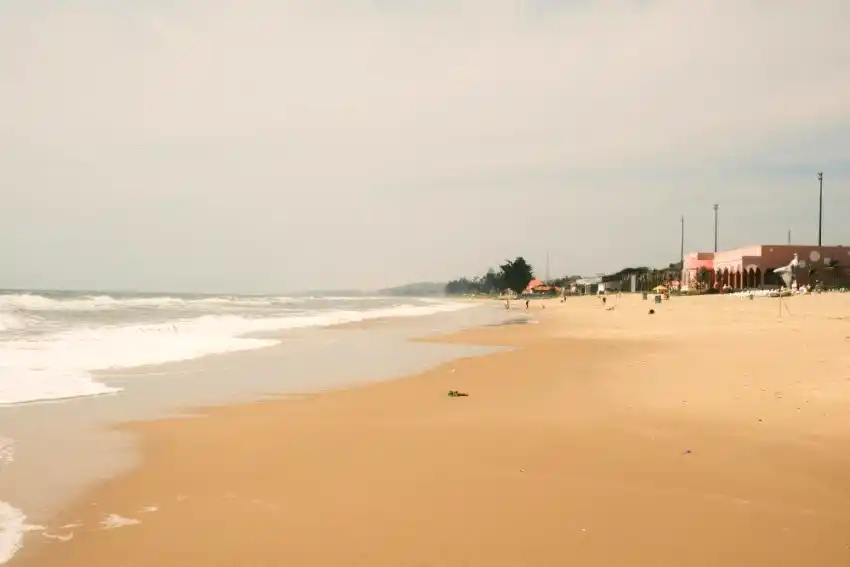
Cua Dai has had a remarkable comeback. After years of serious coastal erosion caused by repeated typhoons, major engineering work including breakwaters and geotextile sandbags has brought the shoreline back to life. Today, particularly near the luxury resort strip along Lac Long Quan Street, the beach is beautiful again and worth every minute of the short ride from town.
The atmosphere here is completely different from An Bang. No buzzing beach clubs, no loudspeakers, no touts. Just waves, the occasional resort guest walking past, and an almost meditative calm. This is the beach for families at five-star properties, couples on honeymoon, or anyone who wants total peace without driving far.
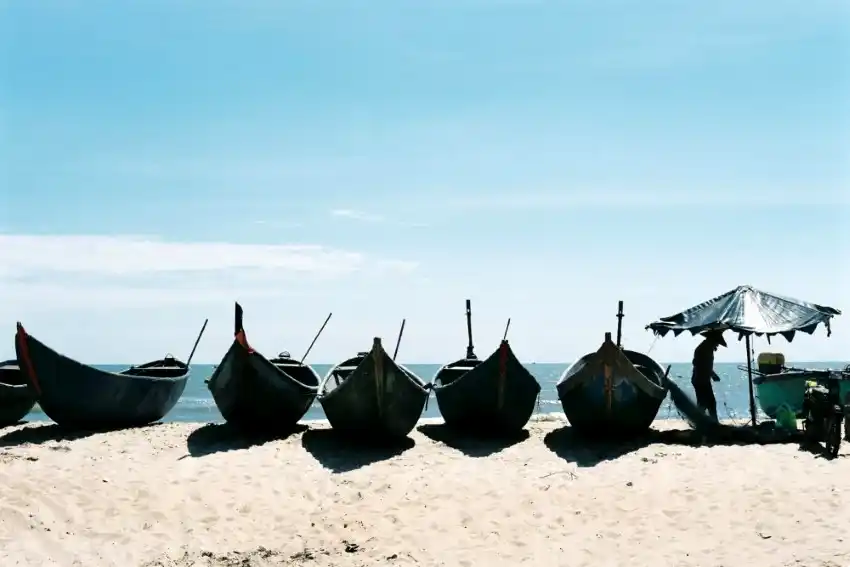
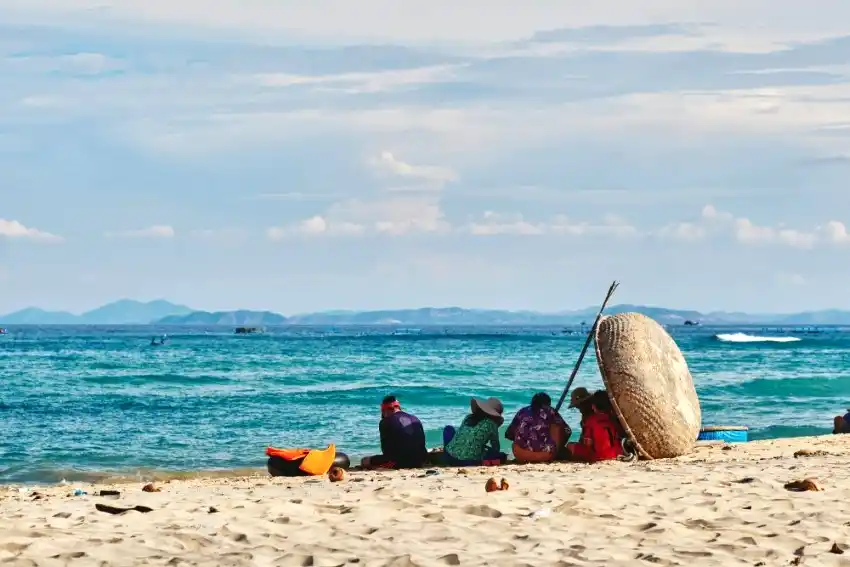
The real magic at Cua Dai happens early. Set an alarm for 5:30 AM and head down to the waterline. Traditional round coracle boats called Thung Chai dot the water as local fishermen bring in the morning haul of squid and mackerel. It’s one of those unrepeatable travel moments that no tour can properly bottle for you. If you’re drawn to Vietnam’s boat culture, this stretch of coast will feel like home.

From classic Hoi An highlights to
hidden-gem private tours, GetYourGuide
makes booking painless. Cancel free
up to a day before your start time.
Find Your Perfect Stay Near the Beaches:
From beachfront budget guesthouses to five-star resort villas with private pools, the strip between Hoi An Ancient Town and the coast has something at every price point. Browse the full Hoi An accommodation guide for a proper neighbourhood breakdown, or use the map below to compare prices and lock in your dates. Book through Agoda for the best rates and deep inventory across smaller boutique properties, or Booking.com if free cancellation flexibility matters to you.
What to Eat at the Beach:
Eating well at the Hoi An beaches costs almost nothing if you know where to look. The same rule that applies everywhere in Vietnam holds true here: follow the locals, eat where turnover is high, and pick stalls where everything is cooked fresh in front of you.
For a deeper dive into the full Central Vietnamese food scene, the nationwide street food guide is worth reading before you arrive so you know exactly what to order and where. And if you want to learn to cook any of it yourself, Hoi An’s cooking classes are some of the best in Vietnam and fun for all skill levels.

Central Vietnamese Classics
Cao Lau is the dish most associated with Hoi An, and rightfully so. Thick rice noodles, sliced pork, crispy croutons, and a dark savoury broth supposedly made correctly only using water from a specific ancient well in town.
At beachside restaurants it usually runs around 50,000 to 70,000 VND ($2.00 to $2.75 USD) and it is worth every dong. White rose dumplings, Banh Bao Vac, are another Hoi An exclusive: delicate prawn-filled parcels you will not find done properly anywhere else in the country.
Fresh Seafood Straight Off the Boat
The fishing boats going out from the Cua Dai estuary come back with squid, mackerel, tiger prawns, and clams that end up on grill plates within hours. At An Bang, several restaurants let you point directly at what you want from the ice display. Grilled clams with spring onion and peanuts run around 60,000 to 80,000 VND ($2.40 to $3.15 USD) per plate.
Whole grilled fish with lemongrass sits at roughly 120,000 to 180,000 VND ($4.75 to $7.10 USD) depending on size. Always confirm prices before ordering anything by weight. The seafood restaurants along the tourist strip are generally honest but it’s a good habit. For a full picture of what Vietnam actually costs day to day, the travel costs breakdown is worth a read before you arrive.
Snacks, Drinks, and Sweet Things
Fresh coconuts straight from the vendor’s cool box cost around 20,000 to 30,000 VND ($0.80 to $1.20 USD) and they are the perfect mid-afternoon drink on a hot beach day. Banh Trang Nuong, the famous grilled rice paper street snack sometimes called Vietnamese pizza, turns up at beachside stalls loaded with egg, green onion, and dried shrimp for around 20,000 VND ($0.80 USD).
For dessert, a cup of Che, the colourful sweet bean and coconut milk soup served over shaved ice, costs around 20,000 VND ($0.80 USD) and is exactly what you need after an afternoon in the sun.
Rolled ice cream has also found its way to the beach strip, with fresh mango, passionfruit, and coconut being the flavours to go for. None of this will dent your daily budget. If you want to pick up some of these flavours in your own kitchen, cooking classes across Vietnam are a wonderful way to do it, and the Hoi An versions are among the most memorable in the country.
Getting There and Getting Around:
Getting to the beaches is half the fun if you do it the right way. The most memorable route from the Ancient Town to any of the three beaches is by bicycle through the rice paddies of Cam Thanh or Cam Son. It takes around 20 to 25 minutes at a relaxed pace, passes through genuinely stunning rural scenery, and costs nothing beyond your bike rental, usually 50,000 to 80,000 VND ($2.00 to $3.15 USD) per day from any guesthouse in town.
If you prefer a quicker trip, download Grab or Xanh SM before you leave home. Both give you fixed, transparent pricing before you confirm your ride, which saves the usual taxi fare negotiation entirely. Xanh SM operates electric vehicles, a nice bonus. A car from the Ancient Town to An Bang will cost around 50,000 to 80,000 VND ($2.00 to $3.15 USD).
A motorbike taxi will be cheaper still. For a full comparison of how the two apps stack up, the Grab vs Xanh SM breakdown explains everything you need to know. Avoid unmetered taxis flagged from the roadside. The pricing is rarely clear upfront. If you are riding your own motorbike, always wear a helmet and get comfortable with the local horn culture. Horns here are not aggression, they are a courtesy signal that someone is passing. Ride predictably, stay calm, and you will be completely fine. For a wider look at getting around Central Vietnam, the national transport guide covers all your options in one place.

From boutique guesthouses to five-star
resorts, Agoda has Hoi An’s best stays
covered. Strong Asia inventory means
deeper discounts than you’d expect.
Beyond the Beach: Day Trips Worth Booking
The Cham Islands
If you have a full free day and the sea is calm, do not miss a boat trip out to the Cham Islands, a UNESCO-recognised marine reserve around 15 kilometres offshore. The snorkelling and diving here is some of the best in Central Vietnam, with healthy coral reefs and clear visibility from March through September. If you’re thinking about picking up a dive certification while you’re in the country, the Vietnam snorkelling guide covers the best spots up and down the coast.
Day tours depart from Cua Dai pier and typically include snorkelling, lunch on the island, and a return boat. Book through Klook or Get Your Guide for clear pricing and verified operators, with most full-day tours running around 600,000 to 900,000 VND ($23.70 to $35.55 USD) per person. For a wider menu of day trips out of Hoi An including My Son Sanctuary and Marble Mountains, the Hoi An day trips page has all the options laid out by distance and interest. And if the idea of exploring Vietnam’s waters more broadly appeals, the island hopping guide is well worth a look.
Cam Thanh Coconut Village
Five minutes south of An Bang, the Cam Thanh water coconut forest is one of the most fun experiences in the Hoi An area, and it suits absolutely everyone from young kids to grandparents. Local guides in traditional bamboo basket boats, the same Thung Chai coracles used by fishermen at Cua Dai, take you spinning through dense water coconut palms on a narrow river network. It is silly, scenic, and completely memorable.
Tours start from around 150,000 VND ($5.95 USD) per person and can be booked on the spot at the riverside entrance, or through Klook if you prefer to lock in a time. If you want to combine this with cycling through the rice paddies and spending the evening in the Ancient Town, that makes for a genuinely great full day. Don’t miss the lantern festival if your dates line up with the full moon, either. It’s one of the most magical things you can do anywhere in Vietnam.

Airalo covers Hoi An with a range of
data plans from a few days to a month.
No physical SIM swap, no roaming bill
shock when you check back in at home.
Beach Etiquette and Local Customs:
Vietnamese beach culture sits on a different wavelength to what most Western visitors expect. Locals swim at sunrise and sunset to avoid the midday heat, often fully clothed or in large t-shirts rather than swimwear. On the tourist sections of An Bang that is perfectly normal alongside bikinis and boardshorts, but if you wander into a local fishing village, a riverside pagoda, or a family-run seafood shack away from the tourist strip, cover your shoulders and knees out of respect. It takes two seconds and it makes a real difference to how you are received.
Tipping is not a traditional custom in Vietnam and nobody expects it at street stalls. If a beach restaurant gave you genuinely great service, rounding up the bill or leaving the small change is a lovely gesture. At beachside markets and watercraft hire spots, gentle bargaining is accepted.
Keep it friendly, keep it light, and remember that walking away politely almost always brings a better offer back across the sand at you. For a fuller picture of how Vietnamese customs and etiquette work day to day, that guide covers everything from temple visits to haggling. If you’re also planning a side trip to see some of the region’s incredible temples and pagodas, the temples guide is a useful companion.
Safety and Practical Advice:
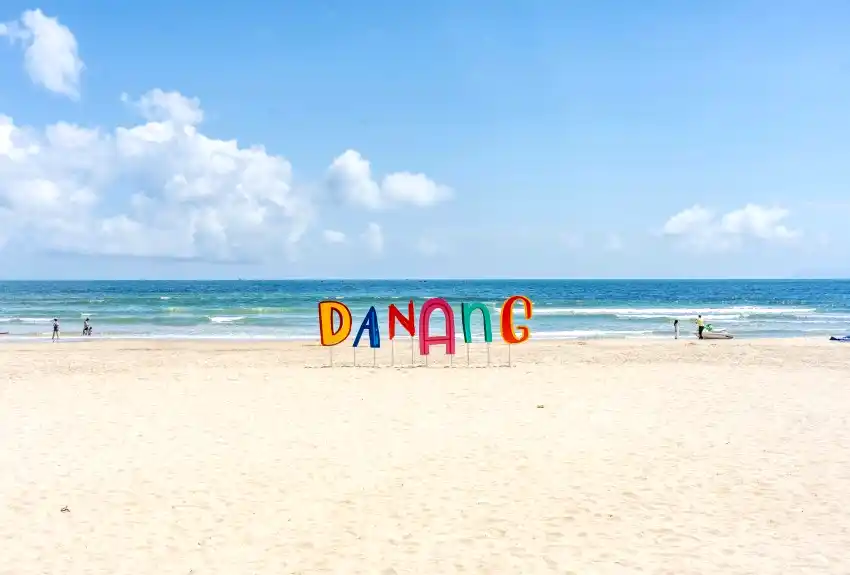
The Hoi An coast is relaxed and very safe for solo travellers, couples, and families. A few practical things are worth knowing before you arrive.
Rip tides: Strong currents appear particularly during the October monsoon transition. Only swim in areas where you can see local swimmers or designated flag zones. At An Bang, lifeguards patrol the central section during peak season.
Food safety: Eat where locals eat, pick busy stalls with high turnover, and watch your food being cooked in front of you. Those three rules will keep you happy and healthy eating your way down the beach. For extra peace of mind on health matters generally, the Vietnam safety guide has solid practical advice for all travellers.
Transport: Stick to Grab or Xanh SM for rides. Unmetered taxis flagged from the roadside rarely have clear upfront pricing and the difference is not worth the hassle.
Motorbike traffic: At the main beach access roads, motorbikes flow constantly. Cross at a steady, predictable pace and riders will easily steer around you. Hesitation causes more confusion than just walking calmly and consistently. It clicks within the first day.
Living Here: The Expat and Digital Nomad Scene
The suburbs of An Bang and Cam An have quietly become one of Southeast Asia’s most appealing long-stay bases. 4G coverage along the entire coastline is excellent, the specialty coffee scene between Tan Thanh and An Bang rivals anything in Hanoi or Ho Chi Minh City, and the cost of living is remarkably low compared to almost anywhere else with this quality of life. Many remote workers base themselves here for months at a stretch, working from beachfront cafes in the morning and spending evenings at the lantern festival or out on the water.
Vietnam’s e-visa system allows stays of up to 90 days, with the option to leave briefly and re-enter. The neighbouring city of Da Nang has a larger coworking ecosystem with faster internet infrastructure if you need the full setup. Living in Da Nang makes an excellent companion read for anyone weighing up a longer coastal stint, since many nomads split their time between the two. For those considering a longer relocation with pets, the coastal neighbourhoods of An Bang and Cam An are consistently rated among the most welcoming areas for expats with animals. See our pet relocation guide for a clear picture of what the process actually involves.
Pro Tips for Stress-Free Travel:

- Ride-Hailing: Download Grab or Xanh SM before you travel. Fixed transparent pricing, no meter arguments, and the Xanh SM electric vehicles are a genuinely pleasant way to get around. Both work perfectly between the beaches and the Ancient Town.
- Cash is King: Beach shacks, parking attendants, and market vendors are cash only. Keep Vietnamese Dong on you in smaller bills. 20,000, 50,000, and 100,000 VND notes are your friends. A 500,000 VND note is very hard for a small stall to break.
- Stay Connected: Get an eSIM through Yesim before you fly and you’ll have working data from the moment you land at Da Nang Airport. No airport queues, no local SIM faff. Use NordVPN when connecting to beach cafe Wi-Fi to keep your banking and personal data secure.
- Book Activities Early: For the Cham Islands and popular guided tours, book through Klook or Get Your Guide to lock in your spot. Peak season from March to August fills up fast. Last-minute spots at the pier do disappear.
- Accommodation: Use Agoda for the best rates on boutique beach villas and guesthouses, especially for smaller properties that might not show up on other platforms. Booking.com is worth a check too if flexible cancellation is a priority for your travel style.
- Travel Insurance: Don’t skip it. SafetyWing is a solid and affordable option that covers medical, water activities, and trip disruption, exactly what you want when you’re spending days in the ocean and on motorbikes in a foreign country.

Stay online in Hoi An without breaking
the budget. Saily offers flexible eSIM
data plans with no contract and no
roaming charges when you go home.
Frequently Asked Questions:
How far are the beaches from Hoi An Ancient Town?
All three main beaches sit between 4.5 and 5.5 kilometres from the Ancient Town centre. By bicycle through the rice paddies, allow around 20 to 25 minutes. By Grab car or motorbike taxi, you will be there in under ten minutes.
Can you swim at Hoi An beaches year round?
Swimming is safe and enjoyable from February through to September. October through January is Central Vietnam’s monsoon season, bringing high surf, heavy rain, and strong undercurrents that make casual swimming unsafe. Cua Dai and An Bang still look beautiful for a walk in winter, but save the actual swimming for the dry season.
Are the beaches free to enter?
Yes, all three beaches are completely free to access. You will pay a small parking fee of 10,000 to 20,000 VND ($0.40 to $0.80 USD) for your motorbike or bicycle at the main entry points. Beyond that, walking onto the sand costs nothing. Sunbeds at beachfront restaurants are generally provided free with a food or drink order.
Is An Bang Beach suitable for families with young children?
An Bang is an excellent family beach during the dry season. The central section has lifeguards on patrol during peak daylight hours from spring through summer. The water is relatively calm and shallow close to shore, and there are plenty of beachside restaurants where parents can eat while kids play. Stick to the flagged swimming zones and you will be well looked after.
Which beach is best for digital nomads?
Tan Thanh is the favourite for remote workers. The lanes behind the beach are lined with specialty coffee shops offering excellent Vietnamese coffee and reliable Wi-Fi. The crowd is largely made up of long-stay nomads and expats, the vibe is calm and unhurried, and the eco-conscious dining scene is far better quality than the average tourist strip. An Bang also has good cafe options if you prefer a slightly more social setting.
Are there lifeguards at Hoi An beaches?
Designated swimming zones at An Bang have active lifeguards on duty during peak daylight hours throughout the main dry season. Remote stretches of sand and the quieter areas of Tan Thanh and Cua Dai do not have regular patrols. Always swim in areas marked as safe, and never underestimate the strength of currents during or just after the monsoon transition.
How do I get to the Cham Islands from Hoi An?
Boat tours depart daily from Cua Dai Pier during the dry season, typically running from around 7:30 AM and returning in late afternoon. Full-day snorkelling and island tours cost roughly 600,000 to 900,000 VND ($23.70 to $35.55 USD) per person and include snorkelling equipment, lunch, and a guide. Book through Klook or Get Your Guide for verified operators with clear pricing. The crossing takes around 25 to 30 minutes by speedboat.
Is it safe to eat seafood from beachside stalls?
Yes, and it is one of the best things you can do in Hoi An. The key is to pick busy stalls with high turnover, watch your food being cooked directly in front of you, and avoid anything that looks like it has been sitting out in the heat. The fishing boats coming into Cua Dai estuary every morning mean the seafood at beachside restaurants is often caught that day.
What is the best time of day to visit the beaches?
Early morning before 9:00 AM is magical at Cua Dai for the fishing boat activity and the empty shoreline. At An Bang, late afternoon from around 3:30 PM to sunset is peak time for atmosphere, with the beach clubs filling up and the light turning golden over the water. Avoid the 11:00 AM to 2:00 PM window in peak summer. The heat and UV are intense and shade at beachside stalls is limited.
Can I use credit cards at beach restaurants and clubs?
Larger beach clubs and resort restaurants at Cua Dai will typically accept credit cards. Street-side seafood shacks, parking attendants, beach vendors, and most casual beachfront restaurants are cash only. Always carry Vietnamese Dong in smaller denominations, 20,000, 50,000, and 100,000 VND notes, when heading to the beach.