What’s The Best Time To Visit Vietnam?
Vietnam stretches over 1,600 kilometres from north to south, and that geography means no single month is perfect for every corner of the country. One region can be basking in golden sunshine while another is getting battered by a tropical downpour. The good news? With a bit of know-how, there is a great time to visit Vietnam for every kind of traveller, whether you are dreaming of misty limestone karsts or long lazy beach days.
The Quick Summary:
- Peak Season (November to April): The most reliable window for travelling the whole country, with dry weather across both the north and the south.
- Regional Differences: Winter in the north brings cool, crisp days to Hanoi, while Ho Chi Minh City stays hot and tropical all year round.
- Typhoon Windows: The central coast, including Da Nang and Hue, sees heavy rain and potential storms between September and December.
- Budget Advantages: May to September brings lower hotel prices and thinner crowds, even with the afternoon monsoon showers rolling through.

When Is The Best Time To Visit Vietnam?
The sweet spot for visiting Vietnam is November through April, when dry, comfortable weather settles across both the northern and southern regions. Travelling during these months helps you sidestep the heavy summer monsoons in the south and the intense autumn typhoons that lash the central coastline. If you are still deciding how to slot it all together, our seasonal planning sits neatly alongside the ready-made 2 weeks in Vietnam route.
The key is balancing those regional differences. January, for instance, brings clear skies and warm beach weather to Phu Quoc island while simultaneously draping the terraced rice fields of Sa Pa in cool mountain mist. Same month, completely different experience depending on where you point yourself. If you are weighing up regions, our guide to north vs south Vietnam breaks down the trade-offs.
Once you are on the ground, 12GO is a great way to compare bus, train, and ferry options side by side as you move between regions. For the bigger picture on connecting it all up, our guide on how to get around Vietnam is the place to start.
| Season | Months | Ideal Regions and Highlights |
|---|---|---|
| Dry Peak Season | November to April | Clear skies across the north and south. Perfect for Hanoi’s street markets, beach breaks on Phu Quoc, and Mekong Delta boat tours. |
| Hot Shoulder Season | May to August | Prime beach weather along the central coast. Regular afternoon downpours in the south, but lower prices and fewer tourists everywhere. |
| Wet Monsoon Season | September to October | Heavy rain along the central coast and typhoon risk. Crisp autumn air settles across the north, making it a wonderful time for hiking. |
What Is The Weather Like In North Vietnam?
The north has a genuine four-season climate, which surprises many visitors expecting wall-to-wall tropical heat. Winters run from November to April and are cool and dry; summers from May to October are hot, humid, and wet. Temperatures in Hanoi dip to around 15°C (59°F) in January and climb past 38°C (100°F) in July. Picking the right months matters here more than almost anywhere else in the country.
Winter and Spring Conditions
The northeast monsoon sweeps cool, dry air across the Gulf of Tonkin from November to March, often draping Ha Long Bay in beautiful atmospheric mist. Pack a light jacket if you are working through the best things to do in Hanoi during these months. By March and April the mist lifts, warm sunshine takes over, and conditions turn ideal for hiking around the limestone karsts of Ninh Binh, which makes for one of the easiest day trips from Hanoi.
Summer and Autumn Realities
July and August bring torrential downpours and punishing heat to the northern valleys. Mountain roads in Lao Cai province can become dangerous due to landslides, so plan accordingly. September and October bring a welcome shift though: the rain backs off, a crisp freshness settles into the air, and the countryside turns a lush golden-green. It is a lovely time to be up north before winter arrives, and a good moment to sort out a comfortable base through our where to stay in Hanoi guide before you head into the hills.


Check the latest hotel prices across Da Nang’s best
neighborhoods. From the bustling beachside vibe of
My Khe and upscale Son Tra to the scenic Han
Riverfront. Compare your options and secure
the best deals before you book.
What Is The Weather Like In Central Vietnam?
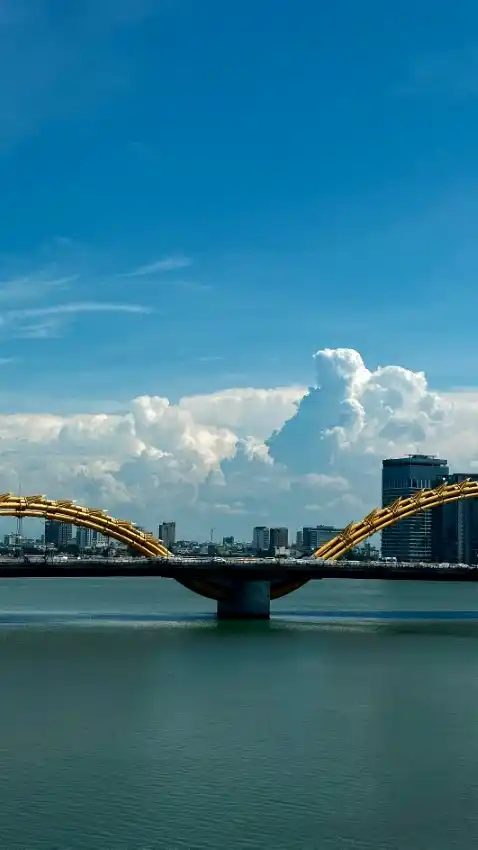
Central Vietnam marches to its own weather drum. The dry season runs from January through August, followed by heavy rainfall between September and December. While the rest of the country swelters through summer monsoons, the central coast is often basking in sunshine. This is the slice of the country where timing rewards you the most, so it pays to line up your Da Nang day trips for the dry window.
The Dry Coastal Window
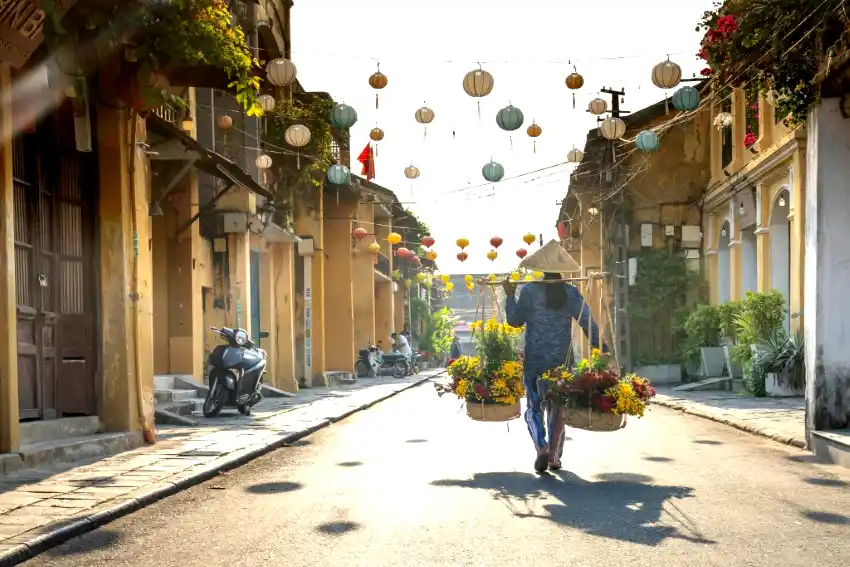
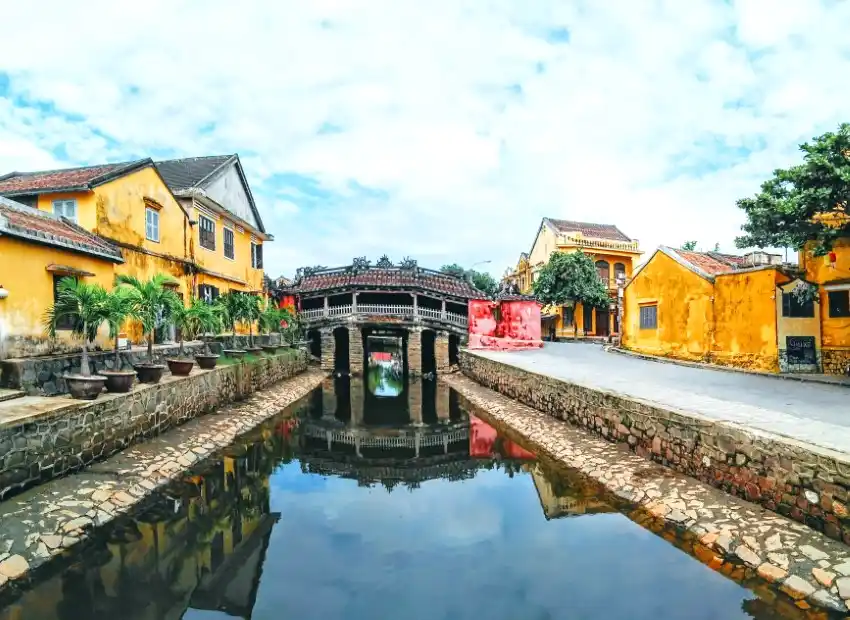
From April to August, beaches like My Khe in Da Nang and An Bang in Hoi An see hot, clear days averaging around 35°C (95°F). This is the prime time to wander the lantern-lit alleyways of the Hoi An ancient town or visit the imperial tombs along the Perfume River in Hue. If you are booking accommodation for this window, Agoda is worth checking for strong rates, with particularly deep inventory in smaller central towns, and our where to stay in Hoi An guide points you to the right neighbourhood.
The Autumn Typhoon Threat
By September the mood shifts sharply. The northeast monsoon picks up moisture over the South China Sea and dumps heavy rain onto the Truong Son mountains, causing frequent flooding in low-lying towns. If you are travelling the central coast between September and November, keep a close eye on regional weather alerts and build flexibility into your itinerary.
A SafetyWing travel insurance policy is worth considering to cover any weather-related disruption, and AirHelp can check whether you are owed compensation if a booked flight is delayed or cancelled. Our travel insurance guide walks through what to look for.
What Is The Weather Like In South Vietnam?
The south keeps things simple: two seasons, warm temperatures year-round, and a pace of life that never really slows down. The dry season runs November to April; the wet season covers May to October. Temperatures consistently sit between 30°C and 35°C (86°F to 95°F) regardless of the month, so your packing barely changes from one visit to the next.
The Constant Sun of the Dry Season
Low humidity and clear blue skies make this the best time to explore Ho Chi Minh City properly. A boat tour through the floating markets of Can Tho, a morning at the Cu Chi Tunnels, or a few lazy days on Phu Quoc’s calm, crystal-clear waters are all wonderful during this window. Klook and Get Your Guide both have solid day-tour options worth browsing before you arrive, and you can dig into the full line-up in our Ho Chi Minh City day trips guide.
Handling the Afternoon Monsoons
The southwest monsoon rolls in from May, bringing humid air up from the Indian Ocean. The good news is that rain in the south rarely ruins the whole day. It typically arrives as a dramatic, heavy downpour in the mid-afternoon, clears up within an hour, and then life carries straight on.
Streets like Bui Vien or Nguyen Hue may see brief flash puddles, but visitors who plan their mornings for sightseeing and their afternoons for a cafe rarely notice the difference. Booking a central base through our where to stay in Ho Chi Minh City guide keeps you close to cover when the skies open.
Best Time For Beaches, Trekking and Cruising
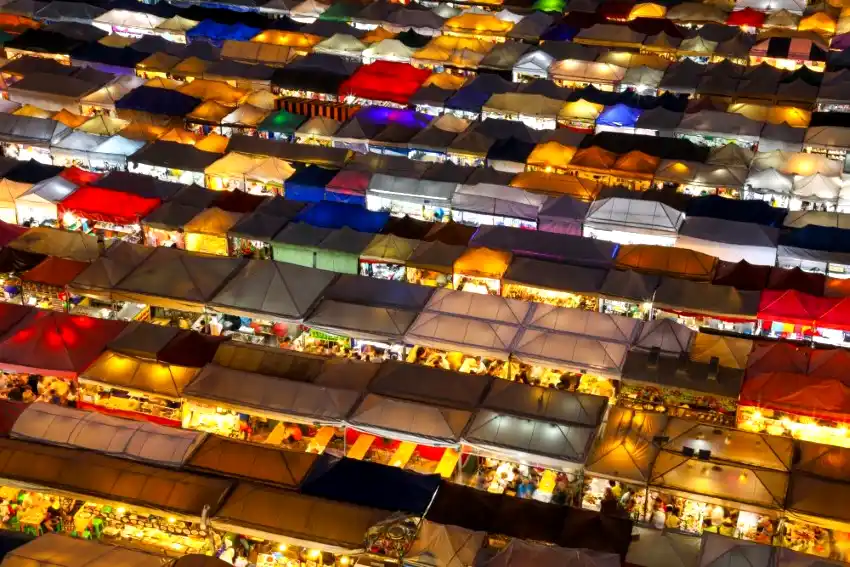
Sometimes you are not choosing a region first, you are choosing an experience and then working out when to go. If your heart is set on a particular kind of trip, the calendar shifts around to suit it. Here is how the big-ticket experiences line up through the year.
Beaches and Island Time
For the south and Phu Quoc, November to April delivers the calmest, clearest water, ideal for swimming and lazing about. The central beaches around Da Nang peak slightly later, from April to August. If island hopping is the dream, our island hopping guide maps out the best routes, and you can book the boat legs through Klook once your dates are locked in.
Trekking and the Northern Highlands
The rice-terrace landscapes of the far north are at their most photogenic in September and October, when the paddies turn gold before harvest. March to May is the other sweet spot, with warm, dry trails and wildflowers. Steer clear of the July and August downpours when mountain paths get slippery and roads wash out. The classic motorbike route follows the same seasonal logic if you would rather ride than walk.
Cruising Ha Long Bay
An overnight cruise is glorious from October to April when the seas are calm and the air is cool, though winter can bring that famous moody mist. Summer cruises run too, but they carry a small risk of cancellation if a storm blows in off the Gulf of Tonkin. Compare your options in our guide to Ha Long Bay cruises, then browse departures on Get Your Guide.

Forget the hassle of planning your own transport
and itineraries. Get a Klook day tour to Ha Long
Bay or Ninh Binh from ~$25. Book, check reviews,
and get instant confirmation right on the go.
How Do Major Festivals Impact Travel Plans?
Vietnam’s major festivals add colour and energy to any trip, but they also bring very real logistical challenges. Transport fills up fast, accommodation prices climb, and some businesses close entirely. A little forward planning makes all the difference, and a quick read of our cultural etiquette guide helps you join in respectfully.
The Impact of Tet
The Lunar New Year, known as Tet, falls between late January and mid-February and is the most important family holiday in the Vietnamese calendar. Millions of people travel from cities back to their home provinces in one enormous national migration. Trains and buses sell out weeks or even months in advance, fares spike, and many restaurants, museums, and family-run guesthouses close for up to five days.
The flower markets and decorations along Nguyen Hue Walking Street are breathtaking, but plan to be flexible and book everything well ahead. Searching 12GO early for inter-city transport during Tet is strongly recommended.
Regional Lantern and Light Celebrations
Other cultural events offer wonderful experiences without shutting the country down. The Mid-Autumn Festival in September fills streets with lion dances and mooncake stalls. In Hoi An, the monthly Lantern Festival sees the ancient town switch off its electric lights so the Thu Bon River glows entirely with paper lanterns. It is one of the most magical sights in all of Southeast Asia. If a festival is the reason for your trip, line up your stay early through our things to do in Hoi An guide so you are right in the thick of it.

Where To Stay and How To Get Around:
Vietnam has accommodation to suit every budget, from lively backpacker hostels in the Hanoi Old Quarter to world-class beach resorts on Phu Quoc. Agoda is the most reliable platform for comparing prices across all categories, with free cancellation on most listings, which is handy when your travel dates might shift around festivals or weather events.
For airport arrivals, Welcome Pickups offers pre-booked private transfers so you are not hunting for a taxi after a long-haul flight. Our guide to the best airports in Vietnam covers what to expect on landing. Once you are settled, Grab, Xanh SM, and Be handle day-to-day getting around with transparent, app-based pricing.
Longer journeys between cities are best handled on 12GO, where you can compare overnight trains, open-tour sleeper buses, and domestic flights side by side. The Reunification Express from Hanoi to Da Nang, for example, is a brilliant budget option and doubles as a scenic experience through the Hai Van Pass. For the full picture, see our Vietnam train guide.
Pro Tips For Stress Free Travel:
- Hotels and Activities: Agoda consistently offers strong hotel rates across the country, while Klook and Get Your Guide are the go-to platforms for booking local day tours, cooking classes, and guided experiences.
- Staying Connected: Pick up an eSIM through Yesim before you travel so you land with data ready to go (Saily and Airalo are solid alternatives). Keep NordVPN active whenever you connect to public Wi-Fi at cafes, hostels, or airports to keep your personal information secure. Our SIM cards and internet guide covers all the options.
- Airport Transfers and Flights: Book a private pickup with Welcome Pickups for a smooth landing, and if a connecting flight is delayed or cancelled, AirHelp can check whether you are owed compensation.


- Travel Insurance: A flexible policy from SafetyWing is worth having, especially in typhoon season, since it covers health, cancellations, and weather-related disruption. See our travel insurance guide for the details.
- Transport Apps: Download Grab, Xanh SM, and Be before you land. These ride-hailing apps give you fixed pricing for motorbikes and cars, sparing you from negotiating with independent drivers at train stations or airports.
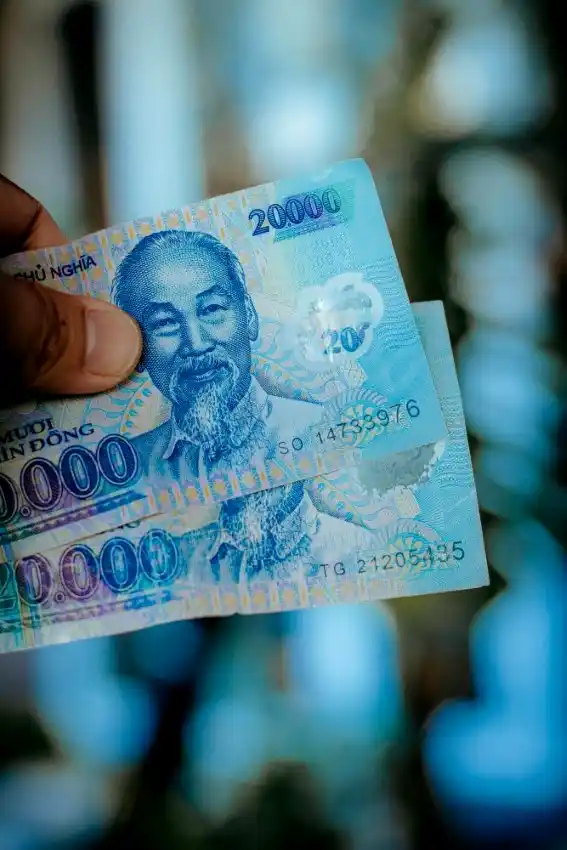
- Cash and Currency: The local currency is the Vietnamese Dong (VND). Cash is essential at street food stalls, local markets, and smaller guesthouses. A bowl of pho costs around 40,000 VND ($1.65 USD) and a short motorbike ride runs roughly 25,000 VND ($1.05 USD). Keep a close eye on your notes: the 20,000 VND and 500,000 VND bills look surprisingly similar but have very different values. See our full currency and money guide for more.
Vietnam for Longer Stays and Expats:
Vietnam has become a compelling long-stay destination. The current e-visa system allows stays of up to 90 days with multiple entries, which has turned coastal cities like Da Nang into major hubs for remote workers, retirees, and families on extended sabbaticals. If you are settling in for the long haul, our living in Vietnam guide covers the practicalities.
The digital nomad community centred around Da Nang’s An Thuong neighbourhood is thriving, with excellent coworking spaces, reliable internet, and a cost of living that puts most European cities to shame.
Having a Yesim or Saily eSIM on standby for data backup is a sensible move for anyone working remotely across multiple cities, and our Da Nang coworking guide sorts out the desk situation.
If you are planning a full relocation with a pet, allow plenty of lead time: Vietnam requires strict international health certificates and microchip verifications well before your departure date.
A Note for the Nervous Traveller:
Vietnam is welcoming and very safe for solo and independent travellers. Violent crime is rare, and the vast majority of visitors have nothing but warm experiences with locals. The main thing to watch is petty opportunism: keep your phone and bag away from the street edge where passing motorbikes could snatch them in busy city areas. For the fuller picture, see our guide on whether Vietnam is safe.
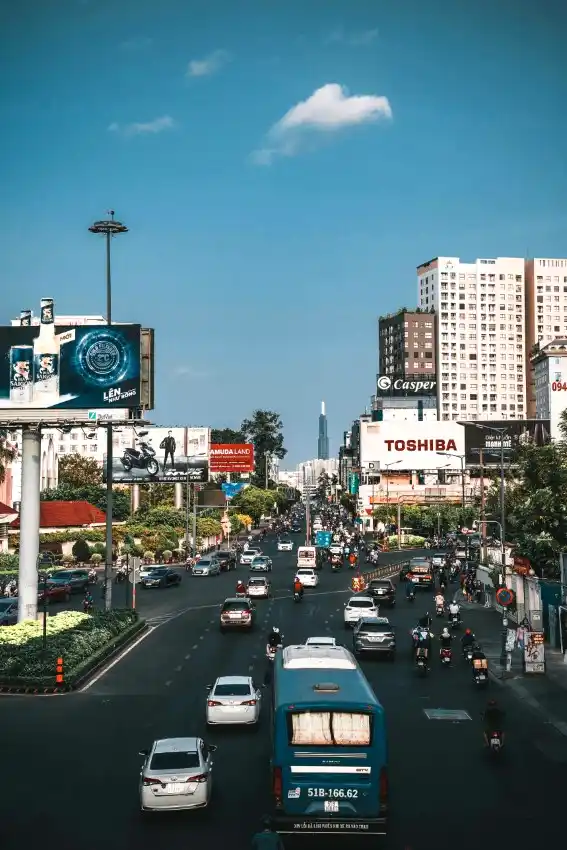
Crossing the street in Hanoi or Ho Chi Minh City can feel alarming at first given the constant flow of scooters. The trick is a slow, steady, predictable pace with no sudden stops or dashes. The riders are skilled and will flow around you; it becomes second nature surprisingly quickly.
On the food front, follow the crowds. Busy street stalls with fast turnover always serve the freshest ingredients, and our street food guide shows you how to eat well and safely. Stick to bottled or filtered water for drinking, but do not stress about ice in major cities since commercially manufactured cubes used in restaurants are perfectly fine.
Frequently Asked Questions:
What is the absolute worst month to visit Vietnam?
There is no single worst month, but October is the most challenging for a full-country trip. It brings heavy rain and typhoon risks to Central Vietnam while the south is still working through its monsoon season. If you are set on October, head north to Hanoi or Sa Pa where the autumn weather is genuinely beautiful.
How many days do I need for a trip across Vietnam?
If you want to travel from Hanoi all the way down to Ho Chi Minh City, allow at least 14 days to hit the main highlights without spending your whole holiday on transport. Three to four weeks is far more comfortable if you want to slow down and actually enjoy each place.
Is the rainy season really worth avoiding?
Not necessarily. The monsoon season mostly means short, dramatic afternoon showers rather than all-day grey drizzle. The countryside turns lush and vivid green, crowds thin out considerably, and hotel prices drop noticeably. If you do not mind planning your sightseeing around the mid-afternoon showers, the shoulder months offer genuinely great value.
Do I need travel insurance for Vietnam?
It is strongly recommended. Medical care in Vietnam’s major cities is good, but costs can mount quickly for anything requiring hospital treatment or medical evacuation. A solid travel insurance policy such as SafetyWing, covering health, cancellations, and delays, is worth every penny. AirHelp is specifically useful for flight disruption claims if your journey involves multiple connections.
What is the best way to get a SIM card or stay connected?
The easiest option is picking up an eSIM before you travel through Yesim or Saily, so you land with working data immediately. Alternatively, local SIM cards from Viettel, Vinaphone, or Mobifone are cheap and widely available at airports and convenience stores. A VPN such as NordVPN is also worth running on public Wi-Fi networks.
When should I book transport in advance?
Always book inter-city trains and buses at least a week ahead during the peak November to April season, and several weeks ahead around Tet (late January to mid-February) when the entire country is on the move. The 12GO platform is reliable for comparing and booking trains, buses, and ferries across Vietnam in one place.
Is Vietnam suitable for families with young children?
Absolutely. Vietnamese culture is incredibly warm towards children, and you will find family-friendly activities at every turn. The main adjustments are sticking to fully cooked street food for little ones, keeping a close eye on road crossings, and choosing the dry season months for beach trips to keep the little ones happy in the water.
What is the best region to visit if I only have one week?
With one week, focus on a single region rather than rushing the whole country. Central Vietnam gives you the best variety in a short time: historic Hoi An, beach days in Da Nang, and the imperial city of Hue are all within easy reach of each other. Book your accommodation through Agoda and your tours through Klook or Get Your Guide.
When is the cheapest time to visit Vietnam?
May through September is the most budget-friendly window. Hotel rates drop, flights are often cheaper, and the crowds thin out noticeably. You will trade some of that for afternoon monsoon showers, but if you book flexible-rate stays through Agoda or Booking.com and keep your mornings free for sightseeing, the savings are well worth it.
Is December a good time to visit Vietnam?
December is one of the best months overall. The north is cool and crisp, the south is warm and dry, and Phu Quoc’s beaches are at their finest. The only catch is the central coast, which can still see late-season rain around Hue and Hoi An. It is also a popular time, so book your accommodation and any Ha Long Bay cruises well ahead.