Vietnam Safety Guide
Vietnam is one of the safest countries in Southeast Asia for travellers, and that’s not just reassuring spin, it’s the genuine reality on the ground. Violent crime against tourists is exceedingly rare, the local population is famously warm and protective of visitors, and millions of solo travellers, families, and digital nomads move through the country every year without incident. That said, a little local knowledge goes a long way. Here’s everything you need to know to travel confidently.
The Quick Summary:
- Overall Safety: Vietnam is one of the most politically stable, low-crime destinations in the region. Standard city awareness is all that’s needed.
- Main Concern: Urban traffic and opportunistic petty theft, phone-snatching in particular, are the two things worth keeping in mind. Both are easily avoided.
- Scam Prevention: Use Grab or Xanh SM instead of unmetered street taxis. Fixed digital fares remove the most common tourist trap entirely.
- Food and Water: Drink bottled or filtered water only. Eat at high-turnover street stalls where everything is cooked fresh in front of you, the busier the better.

From a scooter scratch to a trip to
a Vietnam clinic, SafetyWing’s plans
cover the unexpected. Subscription
model means no awkward renewal forms.
Is Vietnam Safe Right Now?
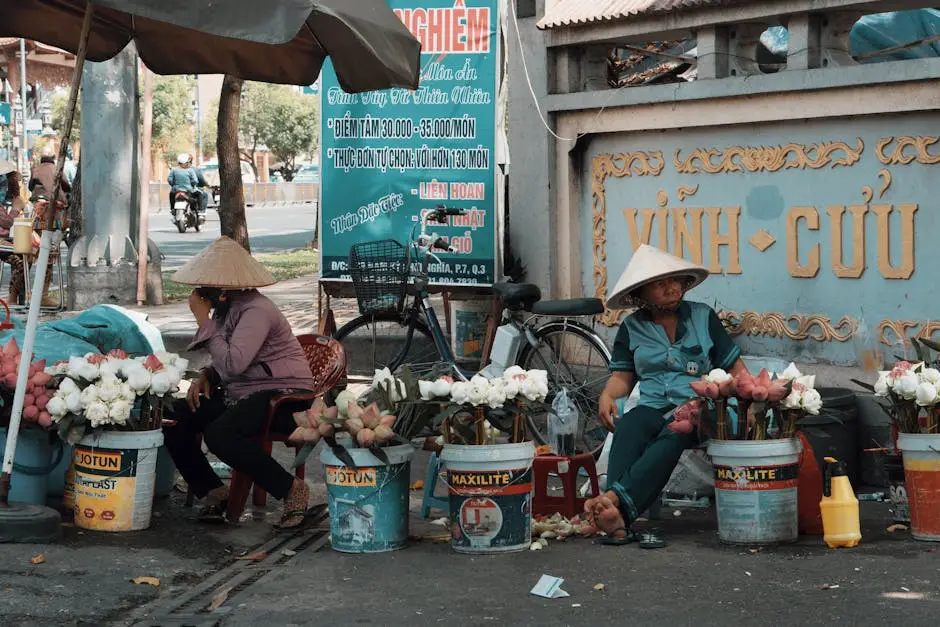
Yes, consistently and genuinely. Vietnam maintains low violent crime rates and strong political stability across all provinces. The most common travel challenges are minor and preventable: opportunistic bag-snatching, overcharging in busy tourist zones, and the organised chaos of urban traffic. None of these require anxiety, just a bit of awareness.
| Safety Category | Risk Level | What to Do |
|---|---|---|
| Violent Crime | Negligible | Standard situational awareness in crowded areas |
| Petty Theft | Moderate | Keep phones and bags away from the kerbside |
| Road Traffic | High | Use ride-hailing apps; cross streets slowly and predictably |
| Scams & Overcharging | Moderate | Agree on prices beforehand or book through digital platforms |
Staying Safe in Vietnamese Traffic
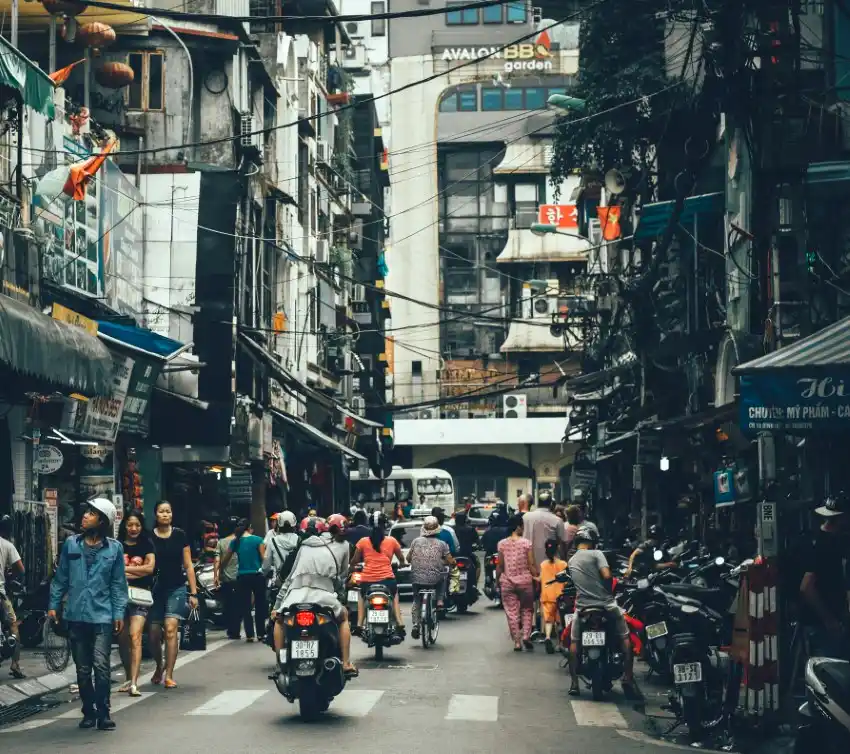
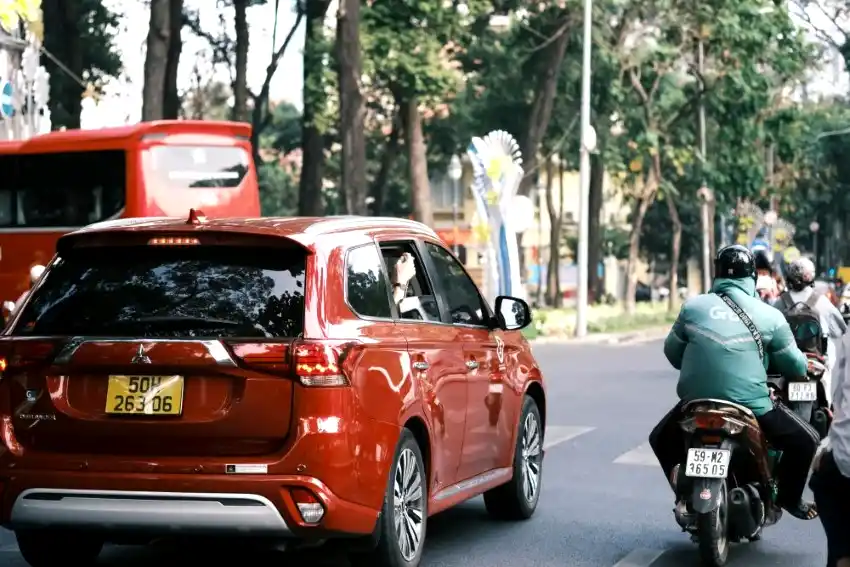
Vietnamese traffic looks chaotic from the pavement, and from a pavement perspective, it genuinely is a lot. But once you understand the logic, it becomes manageable fast. The entire system runs on momentum and visual prediction. Riders are constantly reading what’s ahead of them and adjusting. Your job as a pedestrian is to be predictable.
When crossing, make eye contact with oncoming riders, keep your hands at your sides, and walk at a slow, steady, constant pace. Don’t stop suddenly, don’t speed up, don’t dart backwards. The motorbikes will flow around you like water around a stone, but only if you give them a consistent line to work with. This feels nerve-wracking for about 60 seconds, then it clicks.
If you’re planning to rent a scooter for routes like the Hai Van Pass, make sure you have a valid International Driving Permit (IDP) with a motorcycle endorsement, legally required for anything over 50cc, and essential for your insurance to remain valid.

GetYourGuide has Vietnam’s best
excursions covered: museums, tours,
and unique experiences with verified
operators and instant mobile vouchers.
Your Safety Toolkit:
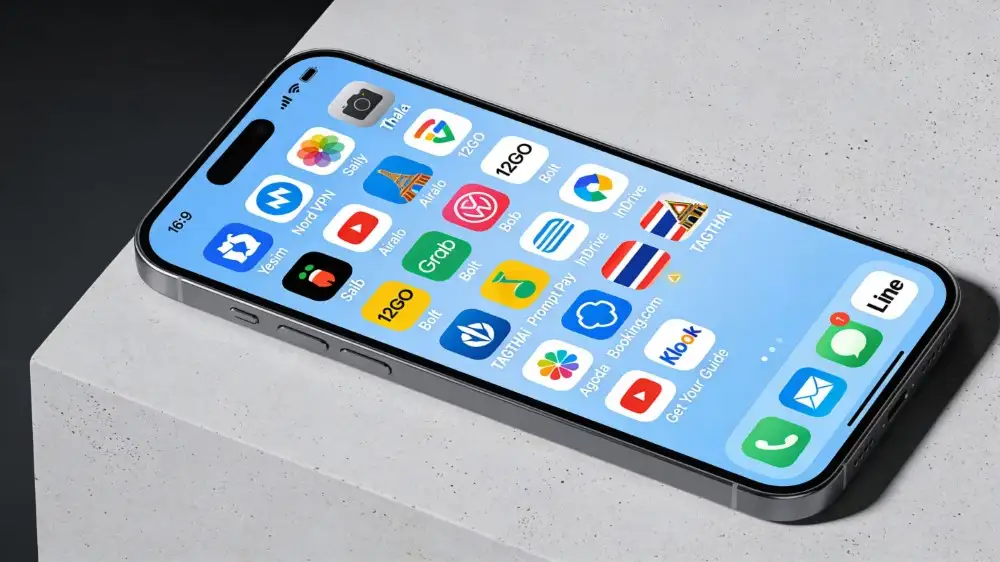
- Transport: Download Grab, Xanh SM, and Be before you land. Fixed fares, driver details on screen, and route tracking, the single best safety upgrade you can make.
- Accommodation: Book through Agoda or Booking.com for verified reviews, secure payment records, and easy cancellation if plans change.
- Tours and Activities: Use Klook or Get Your Guide to book day trips and experiences with licensed operators, much safer than accepting offers on the street.

Hotel and cafe wifi in Vietnam isn’t
always safe. NordVPN encrypts your
connection so banking, work, and
messaging stay private wherever you go.
Avoiding Scams and Petty Theft
Phone Snatching
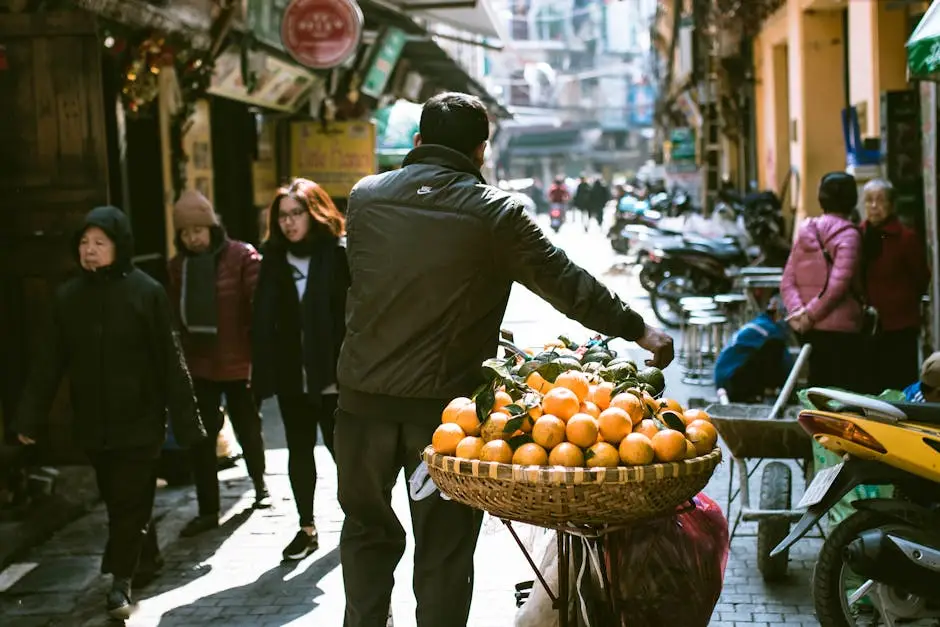
Drive-by phone snatching does happen in busy areas of District 1 and around the Hanoi Old Quarter. The fix is simple: never stand close to the kerb while staring at your screen. Step into a shop doorway or well back from the road before pulling your phone out. It becomes second nature within a day.
Currency Confusion
The Vietnamese Dong has a lot of zeros, and this trips up almost every first-time visitor. The 500,000 VND note and the 20,000 VND note look remarkably similar under dim lighting, both have a blue hue. Always take your time during cash transactions and verify the numbers before handing anything over. Never feel rushed at a till or market stall.
Taxi Scams
If a taxi driver refuses to use the meter, get out before the car moves. Better yet, skip unmetered taxis entirely, book every ride through Grab or Xanh SM where the price is fixed on your screen before you step in.

Skip the planning headache for Vietnam.
Klook offers day tours, tickets, and
experiences from around $25, with
instant confirmation to your phone.
Is Street Food Safe to Eat?
Yes, wholeheartedly. Vietnamese street food is one of the great culinary experiences of the world, and the hygiene standards at busy stalls are genuinely high. The golden rule is high turnover: a stall packed with local families at 7:00 AM for breakfast pho or 6:00 PM for dinner means ingredients are refreshed constantly and nothing sits around.
Choose vendors who specialise in a single dish, the pho lady who has been making pho for 30 years at the same corner is a far safer bet than a stall selling 15 different things. Everything cooked at high heat directly in front of you, over charcoal or on a blazing griddle, is your safest and most delicious option.
Pro Tip: Avoid ice in rural villages, but feel completely confident ordering iced drinks in Hanoi, Da Nang, and Ho Chi Minh City. Urban ice factories use purified water and supply the standard cylindrical ice blocks you’ll find in every café and restaurant, it’s not the same product as rural hand-chipped ice.

From boutique guesthouses to five-star
resorts, Agoda has Vietnam’s best stays
covered. Strong Asia inventory means
deeper discounts than you’d expect.
Culture and Etiquette Worth Knowing:
Temples and Pagodas
Cover your shoulders and knees before entering sacred spaces like Tran Quoc Pagoda in Hanoi or the Marble Mountains shrines in Da Nang. Remove shoes where indicated, and avoid pointing your feet toward altars or religious statues, it’s considered deeply disrespectful across Vietnamese Buddhist culture.
Bargaining at Markets
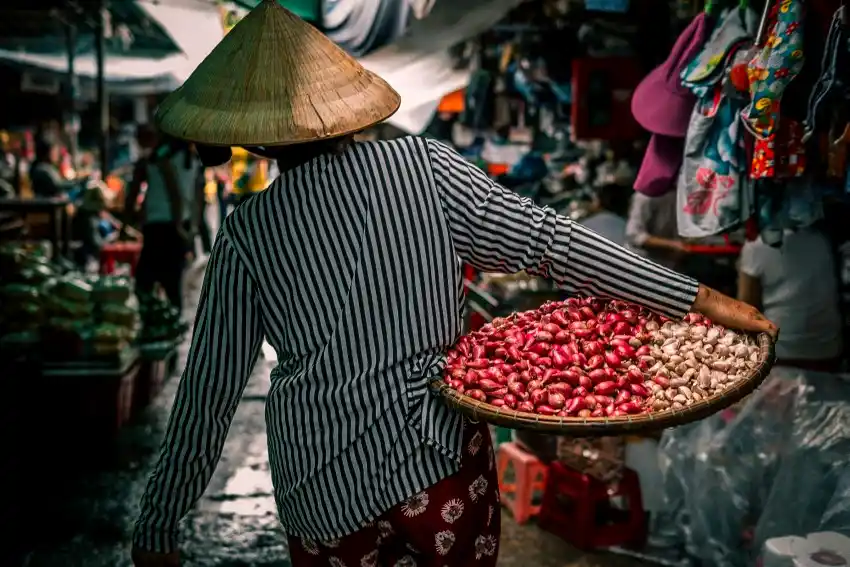
Haggling is expected and genuinely fun at tourist markets like Ben Thanh, keep it light, smile throughout, and start around 40–50% below the opening ask. Work toward a middle ground you’re both happy with. Once a price is agreed, honour it. And remember: never bargain for street food. Those prices are fixed and the same for everyone.
Frequently Asked Questions:
Can I drink the tap water in Vietnam?
No, tap water is not safe to drink anywhere in Vietnam. Always use bottled water, or the filtered water stations provided by your hotel or guesthouse. Most cafés and restaurants serve filtered or bottled water automatically.
Is it safe to walk around Vietnamese cities at night?
Yes, absolutely. Cities like Hanoi, Da Nang, and Ho Chi Minh City stay lively well into the late evening with night markets, street food stalls, and busy café culture. Stick to well-lit main streets, keep your phone tucked away near the road, and use Grab or Xanh SM for any late-night journeys rather than flagging down a street taxi.
What do I do if a taxi driver refuses to use the meter?
Get out before the car moves, calmly, without argument. Then open Grab or Xanh SM and book a ride with a fixed, pre-confirmed fare. This one habit eliminates the most common tourist scam in Vietnam entirely.
Is Vietnam safe for solo female travellers?
Yes, Vietnam is widely regarded as one of the more welcoming and safe destinations in Southeast Asia for solo female travellers. The usual city precautions apply: use ride-hailing apps rather than street taxis, avoid poorly lit alleys late at night, and keep valuables secured. The local community is generally very protective of travellers who look lost or uncomfortable.