Vietnam Healthcare Guide
Getting sick abroad is nobody’s idea of a good time, but here’s the truth: Vietnam is one of Southeast Asia’s most reassuring places to deal with it. Major cities have excellent international hospitals, pharmacies are practically on every corner, and costs are a fraction of what you’d pay back home. A little preparation goes a long way, so let’s get you sorted before you go.
The Quick Summary:
- Best Medical Care: International private hospitals in Hanoi, Ho Chi Minh City, and Da Nang, clean, English-speaking, and genuinely impressive.
- Payment: Most private hospitals take credit cards upfront. Rural clinics are cash only, always carry Vietnamese Dong.
- Pharmacies: Everywhere, well-stocked, and refreshingly flexible, most common medications are available over the counter without a prescription.
- Emergencies: Skip the public ambulance. Use a ride-hailing app or call your nearest international hospital’s private line, it’s dramatically faster.


Long-stay in Vietnam? Standard travel
insurance often won’t cover you.
SafetyWing’s nomad insurance is built
for stints abroad of any length.
Where Should You Go for Medical Care?
Vietnam runs a two-track medical system. In the big cities, you’ll find genuinely world-class private hospitals, Western-trained doctors, English-speaking nurses, spotless private rooms. Head into the countryside and things look very different: rural clinics can handle the basics but aren’t equipped for anything serious. The good news? As long as you’re sticking to the popular tourist trail, you’re never far from excellent care.
| Hospital / Facility | Location | Best For |
|---|---|---|
| FV Hospital | Ho Chi Minh City | Full-service international care, A&E, specialists |
| Family Medical Practice | Ho Chi Minh City, Hanoi, Da Nang | GP consultations, expat-friendly, English-speaking |
| Vinmec International Hospital | Hanoi | Premium care, modern diagnostics, private rooms |
| Hanoi French Hospital | Hanoi | Long-established, internationally accredited |
| Da Nang Family Hospital | Da Nang | International pavilion, reliable for Central Vietnam |
What Does Treatment Actually Cost?
Here’s where Vietnam delivers some genuinely pleasant surprises. Medical care is remarkably affordable by Western standards, even at the top private hospitals. A GP visit costs a fraction of what you’d pay back home, and specialist consultations or MRI scans remain very reasonable. Just make sure you keep every itemised receipt and English-language medical report: your travel insurer will need them for reimbursement.
| Medical Service | Cost in VND | Cost in USD |
|---|---|---|
| GP Consultation | 500,000 – 1,200,000 VND | $20 – $47 |
| Specialist Appointment | 1,500,000 – 2,500,000 VND | $59 – $98 |
| X-Ray | 400,000 – 800,000 VND | $16 – $31 |
| Emergency Room | 2,000,000 – 3,500,000 VND | $79 – $138 |
| Private Room (per night) | 4,000,000 – 8,000,000 VND | $157 – $315 |

Skip-the-line tickets, guided walks,
and Vietnam day trips with English
guides. Read reviews from real travellers
before committing to a single one.
Picking Up Medication, Easier Than You Think
Vietnamese pharmacies are a traveller’s best friend. Most cities have them lining entire streets, and they stock an impressive range of medications, antibiotics, antihistamines, painkillers, and most maintenance drugs, without demanding a prescription. For the best experience, head to one of the reputable national chains: Pharmacity, Long Chau, or An Khang. These bright, well-organised shops are your guarantee of authenticity.
Pro Tip: Brand names vary wildly between countries. Bring the original packaging from home or pull up the generic chemical name on your phone, pharmacists respond to that far better than a brand name they’ve never heard of. And always stick to the chain pharmacies; roadside kiosks are where counterfeit products tend to show up.

Lock in your Vietnam accommodation early
and beat peak-season price hikes.
Agoda’s filters let you compare options
side by side before you commit.
Staying Safe Day-to-Day
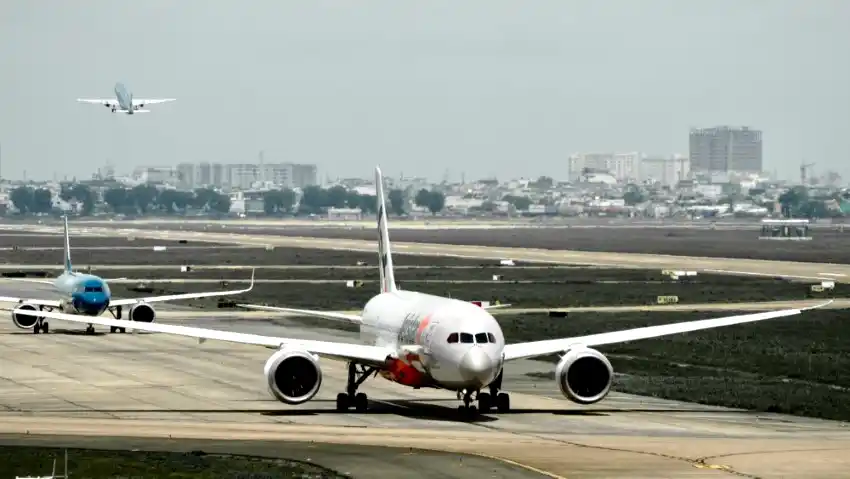
Vietnam is a remarkably safe country to travel, and serious violent crime against tourists is genuinely rare. The two things worth actually paying attention to are the traffic and the water.
Crossing the street, especially in Hanoi’s Old Quarter or Ho Chi Minh City’s District 1, takes a bit of nerve the first time. The trick: walk slowly and steadily. The motorbike traffic reads your path and flows around you like water. Stop suddenly, speed up, or dart unpredictably and things get hairy fast.
Tap water is unsafe to drink anywhere in the country. Stick to sealed bottled water for drinking and brushing your teeth. For food, the golden rule holds: eat where the locals eat, especially at stalls with high turnover and open charcoal grills. Hot, fast, freshly cooked, that’s your friend.

Book Vietnam day trips, attractions,
and activities in one place. Read real
reviews, check availability, and lock in
your spot before the popular slots go.
Pro Tips for Stress-Free Travel:
- Ride-Hailing Apps: Download Grab, Xanh SM, or Be before you land. In a medical situation, being able to tap a button and have a car arrive at your exact location, without trying to explain an address, is genuinely invaluable.
- Cash Matters: Private hospitals take credit cards, but rural clinics and pharmacies often don’t. Always carry Vietnamese Dong in mixed denominations, and keep your 500,000 VND notes separate from your 20,000s. The similar blue colour has caught many travellers out at the worst moments.
- Stay Connected: Grab a local eSIM via Yesim or pick up a physical SIM at the airport. You’ll want live data for maps and Google Translate in a pinch. Use Nord VPN on any public Wi-Fi to keep your details secure.
- Keep Your Paperwork: After any treatment, request a detailed itemised receipt and an English-language medical report. Without both, your travel insurer may not reimburse you, and that conversation is no fun when you’re already home.
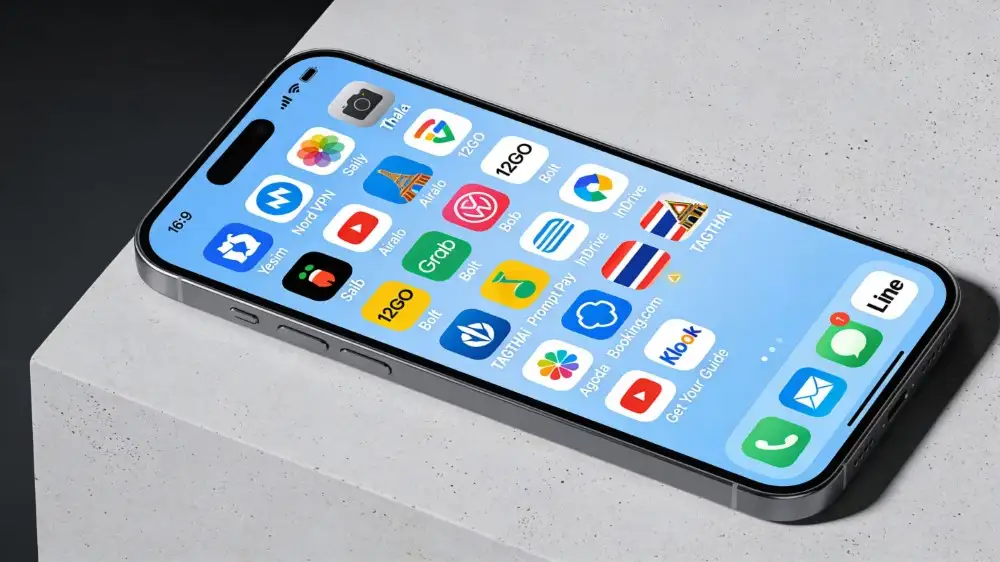

Streaming services and banking apps
sometimes geo-block from Vietnam.
NordVPN gives you a home-country IP
so things work like they do at home.
Frequently Asked Questions:
Can I call a public ambulance in Vietnam?
You can, the number is 115, but it’s not something most experienced travellers rely on. Response times can be very slow, and English-speaking operators are rare. For a genuine emergency, call the private ambulance line of your nearest international hospital, or use a ride-hailing app for anything non-life-threatening.
Do doctors in Vietnamese hospitals speak English?
At private international hospitals, absolutely, many physicians trained in Europe, Australia, or the US. At public hospitals, it’s a different story: English is limited, and you’d likely need a local translator to get by. Another strong reason to head straight to a private facility.
Is malaria a real risk for travellers?
For the vast majority of visitors, anyone sticking to Hanoi, Ho Chi Minh City, Da Nang, Hoi An, Phu Quoc, or the coast, malaria is not a meaningful concern and prophylaxis isn’t generally needed. If you’re planning serious off-grid jungle trekking near the Laos or Cambodia borders, speak to a travel clinic before you leave.
Do I need vaccinations to enter Vietnam?
There are no mandatory vaccine requirements for most visitors (the exception is arriving from a country with active yellow fever transmission). That said, it’s sensible to make sure your Hepatitis A, Typhoid, and Tetanus jabs are up to date before any trip to Southeast Asia, worth a quick GP chat a few weeks before you fly.