Where To Stay In Hue Guide
Hue is one of those rare cities that genuinely rewards you for slowing down. The ancient imperial capital sits beautifully divided by the dreamy Perfume River, and where you choose to stay will absolutely shape your whole experience. You can wake up to pagoda bells and royal city walls on the tranquil northern bank, or step straight out onto a buzzing cafe strip on the lively south side. Whether you are a backpacker stretching your budget, a family looking for a culturally rich holiday, an expat testing out a new base, or a luxury traveller seeking five-star indulgence, Hue has something truly special waiting for you.
The Quick Summary:
- Best For First-Timers: Phu Hoi on the south bank. You are right in the middle of restaurants, tour operators, and the weekend walking street, with the Citadel just a lovely twenty-minute stroll across the Truong Tien Bridge.
- Best For History Lovers: The Imperial Citadel Area. You will roll out of bed and straight into royal palaces, quiet walled lanes, and some of the most authentic Bun Bo Hue in the country.
- Best For Luxury and Peace: Vi Da or the southern riverfront. Think gorgeous infinity pools, spectacular river views, and blissful spa afternoons, all just a short ride from the city centre.
- Accommodation Budgets: Guesthouses and basic hotels run from 350,000 VND to 600,000 VND ($14 to $25 USD) per night. Mid-range boutique hotels sit between 1,000,000 VND and 2,500,000 VND ($41 to $103 USD). Five-star colonial properties start around 4,500,000 VND ($185 USD) and go upwards.

Reserve your Hue hotel with no
upfront payment on most rooms. Free
cancellation up to a day before check-in
keeps your trip flexible if plans shift.
Which Area Is Right For You?
Hue splits naturally across the Perfume River. The south bank is lively and highly convenient, while the north bank is wonderfully atmospheric and unhurried. Here is a quick comparison to help you choose the perfect spot before diving into the details below.
| Neighborhood | Best For | Average Price Per Night |
|---|---|---|
| Phu Hoi (South Bank) | First-timers, dining variety, and easy transport links | 500,000 to 1,500,000 VND ($21 to $62 USD) |
| Imperial Citadel Area (North Bank) | Heritage exploration, local street food, quiet evenings | 400,000 to 1,200,000 VND ($16 to $49 USD) |
| Vi Da and Riverfront | Luxury resorts, river views, couples, and family retreats | 2,000,000 to 5,000,000 VND ($82 to $206 USD) |
Use the interactive map below to explore accommodation options across all neighborhoods and find the best spot for your budget and travel style!
Staying In Each Area:
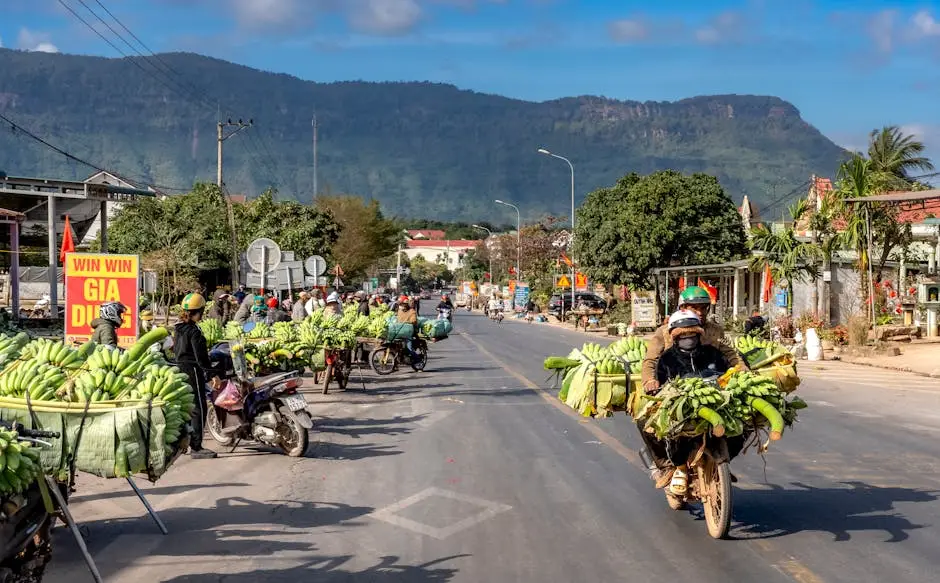
Phu Hoi: The Best Base For Most Visitors
Phu Hoi is the vibrant, beating heart of modern Hue, spread across the southern bank around the lively pedestrian streets of Nguyen Dinh Chieu and Chu Van An. This is where the hotels, travel agencies, Western-friendly cafes, and fantastic restaurants all cluster together, making it easy to organise your days without any fuss. Book through Agoda for the best boutique hotel rates in this part of town, and you will find a solid range at every budget level.
Evenings here are incredibly social. The weekend walking street fills up with locals and travellers alike, and the Truong Tien Bridge is only a twenty-minute walk away. That gives you a beautiful, breezy crossing into the historic north whenever you are ready to explore. If you want to get out of the city entirely, day trips from Hue are easy to arrange through any of the travel agents right on your doorstep, from royal tomb circuits to DMZ tours.
Not sure what to actually do once you arrive? Our guide to things to do in Hue has everything covered, from the big imperial sights to the quieter local experiences most visitors miss.
Who Should Stay Here: First-time visitors, solo travellers, couples, and families who want a wide choice of restaurants right on their doorstep and simple access to day tours. It is not ideal if you are after total peace and quiet or a deeply local feel after dark.
Imperial Citadel Area: For History Lovers and Slow Travellers
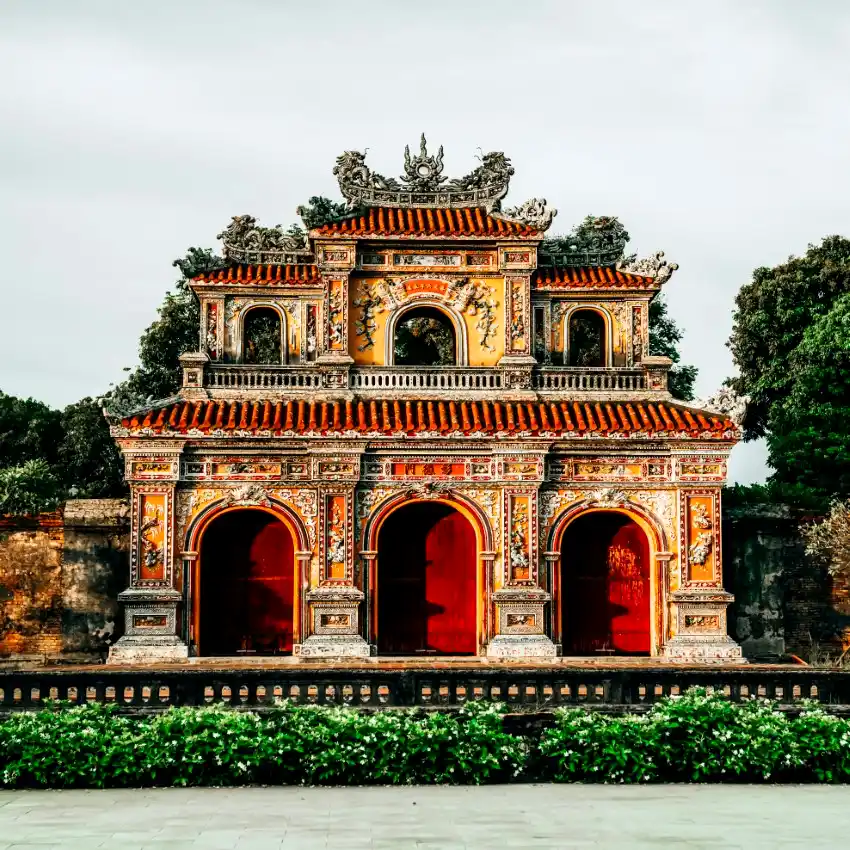
Cross over to the north bank and the pace shifts completely. The Imperial Citadel area is a gorgeous network of shaded, residential streets that wrap around the massive stone ramparts of the old walled city. Traditional garden houses, independent local eateries, and bustling morning markets define this neighbourhood. The breathtaking grandeur of the royal palaces is literally outside your door.
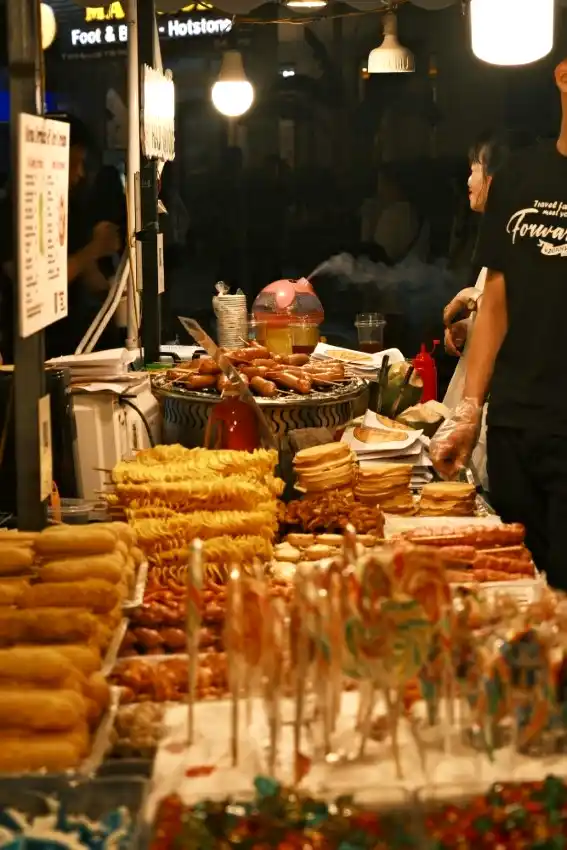
After dark, the area quiets right down. The neon signs disappear, the streets empty out, and the focus turns to excellent local food. The Hue street food scene is on another level up here: a steaming bowl of Bun Bo Hue from a family-run stall, or Banh Beo eaten at a low plastic table by lamplight, is absolutely magical for the right kind of traveller. Dong Ba Market is the morning highlight, and it is steps away from most guesthouses in this area.
For accommodation, Agoda has the deepest inventory of smaller guesthouses and garden-house stays on the north bank. If free cancellation matters to you, Booking.com is worth comparing. Our dedicated Imperial Citadel guide is essential reading before you explore.
Who Should Stay Here: Photographers, history enthusiasts, expats, and slow travellers who really want to experience Hue like a local. Those wanting lively bars, craft beer, and international food options should head to the south bank instead.
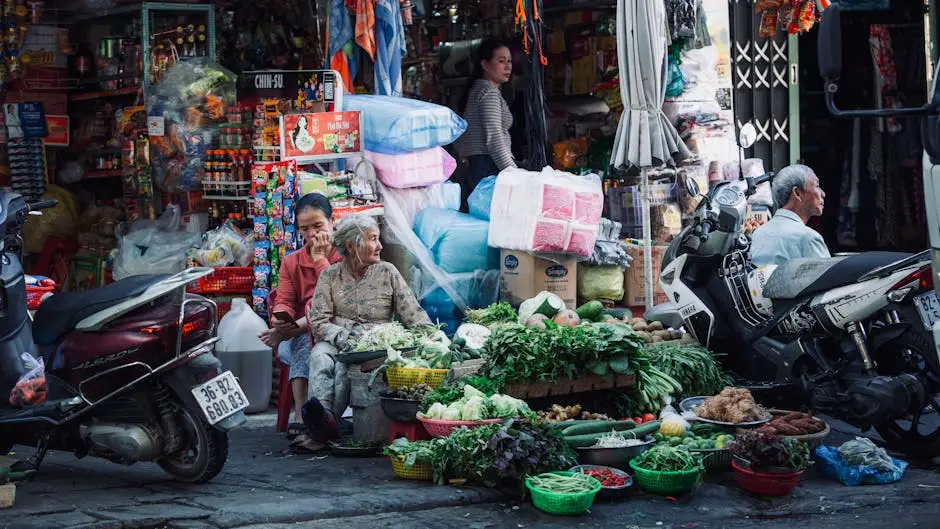
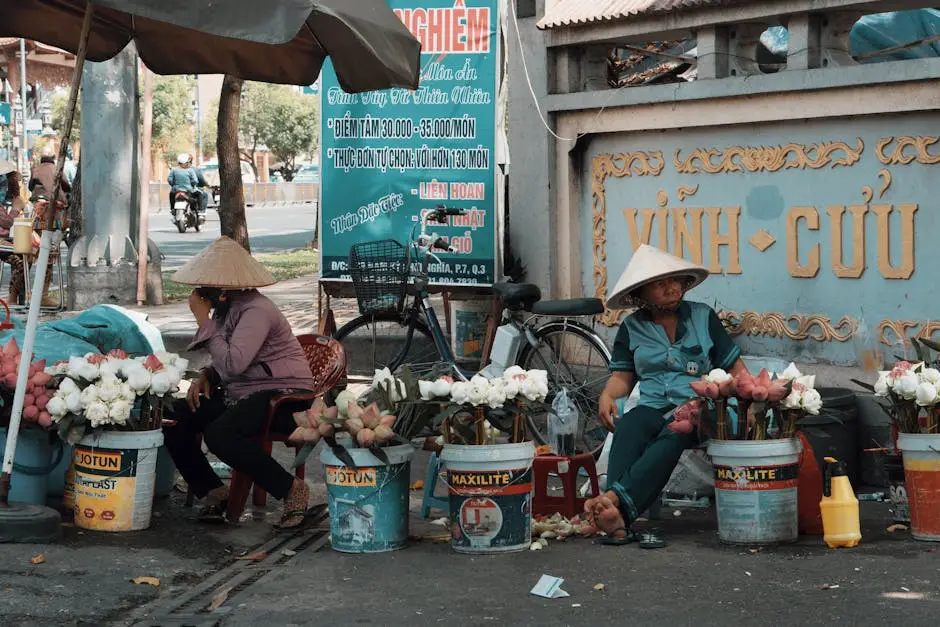
Vi Da and the Riverfront: Luxury and Total Tranquility
Vi Da is a leafy, poetic suburb stretching east along the Perfume River, historically celebrated in Vietnamese literature and once home to majestic royal garden estates. Today it houses the finest boutique resorts and wellness retreats in Hue. Think stunning tropical garden villas, river-facing infinity pools, and genuine spa experiences that will undo every ache from a long day of royal tomb hopping.
It feels wonderfully removed from the city, but a quick Grab ride brings you back into the centre within minutes. For families with young children, couples celebrating something special, or anyone who wants their holiday to feel restorative, this stretch of the river is very hard to beat. Search Agoda first for the resort properties here, as their member rates on Hue’s river hotels are consistently strong. If you are comparing the luxury end of the market, our Vietnam luxury travel guide will help you set expectations.
Already thinking about what comes after Hue? The gorgeous old town of Hoi An is roughly three hours south, and Da Nang sits just an hour away over the dramatic Hai Van Pass.
Who Should Stay Here: Couples, luxury travellers, families wanting generous space and a pool, and anyone eager to treat themselves. Budget backpackers or those wanting to step directly into street life should look at Phu Hoi instead.

Lock in your Hue accommodation early
and beat peak-season price hikes.
Agoda’s filters let you compare options
side by side before you commit.
Pro Tips For a Stress-Free Stay:
- eSIM and Data: Grab a Yesim eSIM before you fly and you will land in Hue with instant data, no airport queues, no physical SIM swapping required. It is the easiest way to stay connected throughout your Vietnam trip. Our full Vietnam SIM and internet guide covers all your options if you want to compare plans.
- VPN: Use NordVPN whenever you are on public cafe or hotel Wi-Fi. Set it up before you leave home and log into banking or anything sensitive without a second thought.
- Cash is King: Street food vendors, market stalls, and temple entry fees all require physical Vietnamese Dong (VND). Keep smaller notes handy in 20,000, 50,000, and 100,000 VND denominations. Large 500,000 VND notes can be tricky for small stalls to break, and local merchants will sometimes refuse torn or heavily worn bills.

- Booking Accommodation: Agoda consistently offers the best rates on boutique hotels in Hue, particularly on the north bank where smaller properties often do not list everywhere. Booking.com is a solid alternative if free cancellation flexibility matters to you.
- Tours and Activities: For guided tours of the royal tombs, the Citadel, or comfortable transfers over the Hai Van Pass, Get Your Guide and Klook both carry well-reviewed, vetted operators. Booking in advance saves you negotiating on the street.
- Travel Insurance: Do not skip this one. SafetyWing is well-priced for Vietnam, covers medical and emergency situations thoroughly, and is popular with slow travellers and digital nomads alike. See our Vietnam travel insurance guide for a full breakdown of what to look for in a policy.

Maps, Grab, translation apps, all need
data in Hue. Yesim’s eSIM installs
in a minute and gives you reliable 5G
from the moment you arrive.
Getting To and Around Hue:
Most visitors arrive in Hue by train, and it is honestly one of the great ways to do it. The Reunification Express runs the full length of Vietnam and the stretch into Hue, hugging the coast past the Hai Van Pass, is scenic and deeply satisfying. Book your seat or sleeper berth through 12GO well in advance during peak season. The train station sits on the south bank, which puts Phu Hoi hotels just a short ride away on arrival.
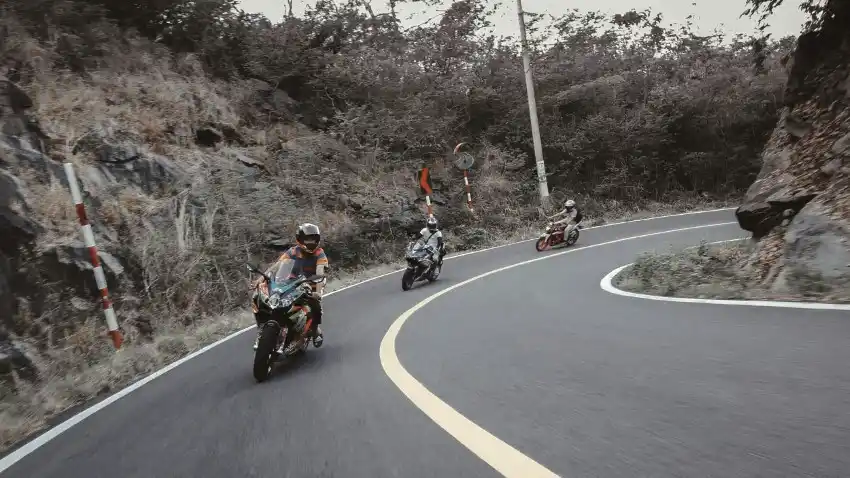
If you are on a longer north-to-south journey, our guide to getting around Vietnam covers all your inter-city transport options in one place. For the road warrior types, Hue also sits right on one of the best Vietnam motorbike routes in the country.
Within Hue itself, download Grab or Xanh SM before you arrive. Xanh SM runs a fleet of fully electric vehicles and motorbikes with fixed, transparent pricing, which is a refreshing change if you have been haggling with motorbike taxis elsewhere. Our Grab vs Xanh SM comparison breaks down exactly when to use each. Renting a bicycle is also lovely for the Citadel area and costs around 50,000 to 80,000 VND ($2 to $3 USD) per day from most guesthouses.

GetYourGuide has Hue’s best
excursions covered: museums, tours,
and unique experiences with verified
operators and instant mobile vouchers.
The Local Culture and How To Respect It:
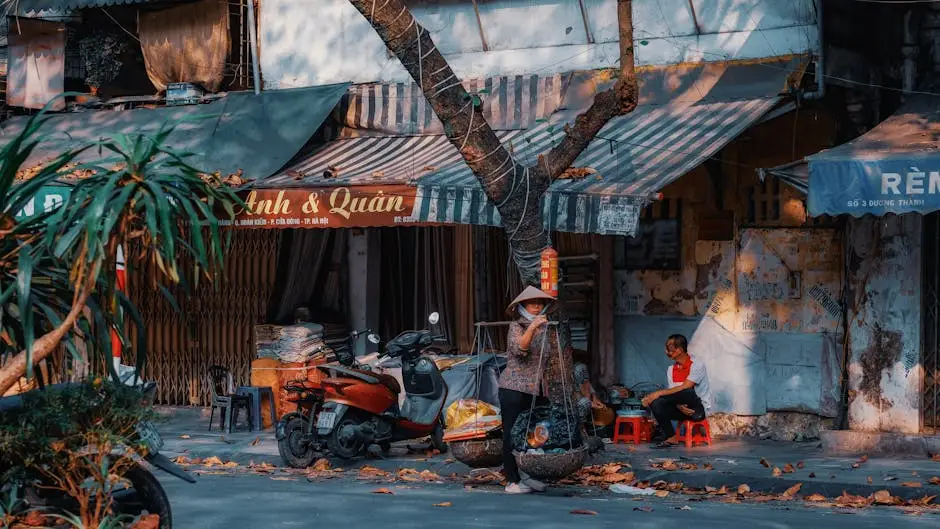
Hue carries a quiet, conservative elegance shaped by centuries of imperial history and a deeply rooted Buddhist spiritual life. Getting this right will make locals noticeably warmer toward you and open doors to experiences that pure sightseeing never quite reaches. Our guide to Vietnamese culture and etiquette is worth a read before you arrive, especially if Hue is your first stop in the country.
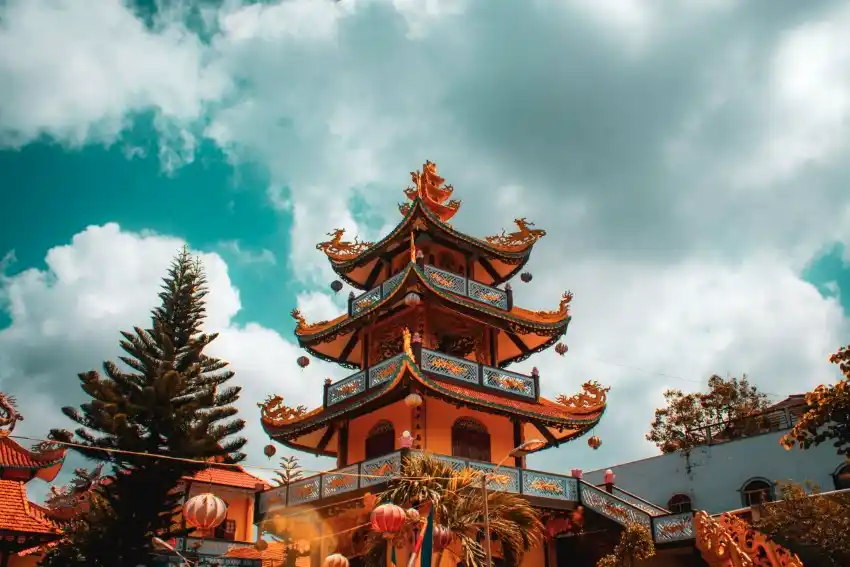
When visiting pagodas like the iconic Thien Mu, cover your shoulders and knees without exception. Speak softly inside temple grounds and put your phone away during active ceremonies. Our guide to visiting temples and pagodas across Vietnam covers exactly what to wear and how to behave. At Dong Ba Market, bargaining is perfectly fine and expected for clothes, crafts, and produce, but keep it light, friendly, and playful. Aggressive haggling goes against the local grain entirely.
On Tipping: Tipping is not a traditional expectation at street food stalls or local markets. Leaving your small change is a well-received gesture. For boutique hotel staff or an exceptional private tour guide, 20,000 to 50,000 VND ($1 to $2 USD) is a lovely thank you.
On the streets, when crossing without pedestrian signals, walk at a slow, steady, predictable pace. Motorbike riders are incredibly skilled at reading movement and will flow around you. The worst thing you can do is stop suddenly or try to run.
A Note For Nervous Travellers:
Hue is consistently regarded as one of the safest cities in Vietnam for international visitors. Violent crime is exceptionally rare, and you will feel comfortable walking around both banks of the river well into the evening. Our dedicated Vietnam safety guide goes deeper on all the usual concerns if you want the full picture before you travel.
The main things to watch for are minor scams: unofficial cyclo rides quoted without a price first, or overcharging at tourist-heavy spots around the Citadel gates. Always agree on the fare in VND before getting into any vehicle. Try to eat where you see local families happily sitting down rather than where touts are waving menus at you from the pavement.
Food safety is wonderfully straightforward here. High-turnover stalls serving hot, freshly cooked food to crowds of locals are always your safest and most delicious bet. Solo female travellers consistently rate Hue among the most relaxed and hassle-free cities in all of Southeast Asia. Before you travel, it is worth picking up SafetyWing travel insurance, which covers Vietnam well and is priced sensibly for longer stays.
Beyond The Holiday: Expats and Long Stays:
Hue is quietly capturing the attention of a new wave of expats and long-stay remote workers who want something far more soulful than the busier scenes in Da Nang or Ho Chi Minh City. The cost of living is noticeably lower, the pace is brilliantly easy, and the food is arguably the best in the country. If you are seriously considering planting roots, our Vietnam digital nomad guide is a great place to start, covering the practicalities of visas, co-working, and where different types of nomads tend to land.
The city’s cafe culture is flourishing, with fast internet now available across many independent coffee shops. Dedicated co-working spaces remain limited though, and those needing a structured work environment or a larger expat community often use Hue as an idyllic base for a month or two before eventually settling in Da Nang for the longer term. The Da Nang coworking scene is far more developed if that matters to you.
Long-term stays are made straightforward with Vietnam’s e-visa system. Check our Vietnam e-visa guide for the current application process and how long you can stay on each visa type. For those relocating with pets, pet-friendly rentals are increasingly available across Central Vietnam, though arranging international health certificates and rabies titer tests requires planning well ahead of your move date.
Frequently Asked Questions:
What is the best area to stay in Hue for first-time visitors?
Phu Hoi on the south bank is the most practical choice for a first visit. It puts you within easy walking distance of restaurants, travel agents, and the weekend pedestrian street, while the Truong Tien Bridge connects you to the historic north bank in around twenty minutes on foot. It offers the best balance of convenience and access to the city’s highlights.
Is Hue safe for solo travellers and solo female travellers?
Yes, Hue is widely considered one of the safest cities in Vietnam. Violent crime is rare, and solo female travellers consistently rate it as relaxed and hassle-free. The usual sensible precautions apply: keep bags secured, agree on prices before getting into vehicles, and eat where you see local families rather than following persistent touts.
How far is the Imperial Citadel from the main hotel area?
Most hotels in Phu Hoi on the south bank are roughly a twenty to thirty minute walk across the Truong Tien Bridge to the main Citadel gates. A Grab or Xanh SM ride takes five to ten minutes and costs around 25,000 to 40,000 VND ($1.00 to $1.65 USD) depending on traffic.
What is the best time of year to visit Hue?
The dry season from February to August is the most reliably pleasant period. January and February are particularly lovely, with cooler temperatures and clear skies. Avoid the heavy rain season from September to November if possible, as Hue sits in a rain shadow and can receive significant flooding during peak wet season months.
Can I use credit cards in Hue?
High-end hotels, established restaurants, and larger souvenir shops will generally accept major international credit cards without issue. However, street food vendors, market stalls, local cafes, and temple entry kiosks are cash only. Always carry Vietnamese Dong (VND) in smaller denominations for day-to-day spending.
Is Hue suitable for families with young children?
Absolutely. The city is navigable, relatively calm compared to Hanoi or Ho Chi Minh City, and full of child-friendly experiences like royal palaces, dragon boat rides on the Perfume River, and easy day trips to the beach at Lang Co. Luxury resorts in the Vi Da area offer family pools and spacious rooms, making them an excellent base for families wanting comfort and space.
How do I get around Hue day to day?
Download Grab or Xanh SM before arriving. Both offer fixed app-priced rides on motorbikes or in cars, which removes all guesswork on fares. For shorter trips around Phu Hoi or along the riverfront, walking is genuinely pleasant. Renting a bicycle is a popular option for exploring the Citadel area at your own pace and costs around 50,000 to 80,000 VND ($2.00 to $3.30 USD) per day from most guesthouses.
What is the food like in Hue and where should I eat?
Hue has one of the most distinctive and celebrated regional cuisines in all of Vietnam. Royal imperial cuisine sits alongside intensely flavoured street food classics like Bun Bo Hue (spicy beef noodle soup), Banh Beo (steamed rice cakes with shrimp), and Banh Khoai (crispy fried pancakes). Eat at the local stalls around Dong Ba Market on the north bank for the most authentic experience, with a full meal rarely costing more than 60,000 to 90,000 VND ($2.50 to $3.70 USD).
Are there good day trips from Hue?
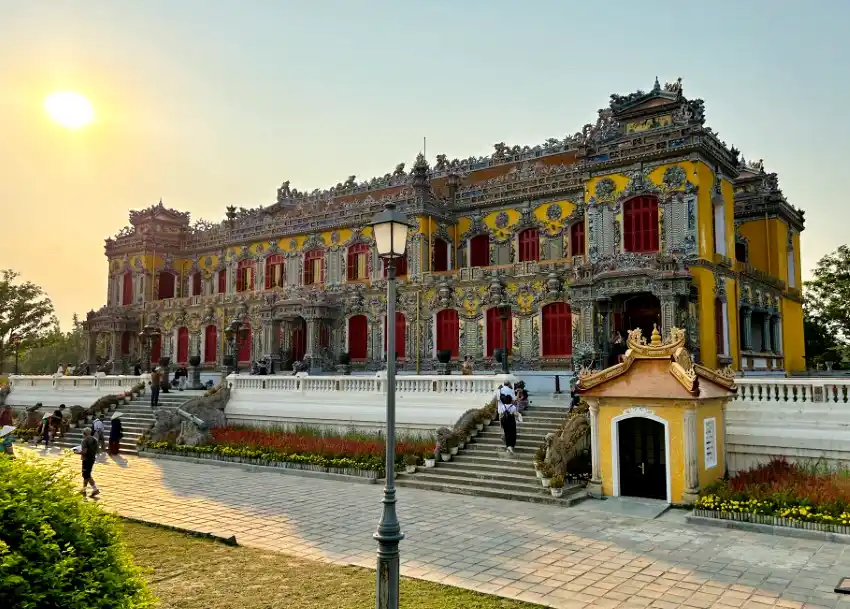
Yes, several outstanding ones. The royal tombs of Emperor Tu Duc, Khai Dinh, and Minh Mang are all within a thirty minute drive and absolutely unmissable. Thien Mu Pagoda sits beautifully along the river just a few kilometres from the centre. A day trip over the Hai Van Pass toward Da Nang is one of the most scenic coastal drives in Southeast Asia and easy to book through Klook or Get Your Guide.
Is Hue a good base for long-term stays or remote work?
It is increasingly popular for this, particularly among travellers who want a slower, more affordable alternative to Da Nang. The cost of living is lower, the food is exceptional, and many independent cafes offer solid Wi-Fi. That said, dedicated co-working spaces remain limited, and those needing a larger expat social scene or structured work environment often eventually migrate to Da Nang for longer stretches.