
Hanoi vs Ho Chi Minh City: Which One Is Right for You?
Two cities. Two completely different Vietnams. Hanoi is the ancient soul of the country, where history seeps out of every alley and the coffee is strong enough to rattle your teeth. Ho Chi Minh City (still lovingly called Saigon by almost everyone who lives there) is the relentless, buzzing, neon-lit engine of modern Vietnam. Choosing between them isn’t just about logistics. It’s about the kind of trip you want to have. So, Hanoi Vs Ho Chi Minh City?
The Quick Summary:
- Budgets: Both cities are outstanding value, but Ho Chi Minh City runs slightly higher for cocktails, fine dining, and Western-style accommodation. Budget backpackers can get by on around 750,000 VND ($30 USD) per day in either city. Comfortable mid-range travel lands between 1,500,000 and 3,000,000 VND ($60 to $120 USD).
- Entry Requirements: All visitors need a valid passport with at least six months remaining validity, plus a confirmed e-visa or visa exemption before boarding. The e-visa covers 90 days and is multi-entry.
- Regional Character: Hanoi is conservative, poetic, and rooted in Northern tradition, with real seasons and streets that quiet down after midnight. Ho Chi Minh City is tropical, cosmopolitan, and genuinely never sleeps.
- Who Should Go Where: Choose Hanoi for ancient temples, slower mornings, and iconic Northern food. Choose Saigon for rooftop bars, premium international dining, and the full force of modern urban Vietnam.

Compare hotel prices across Hanoi’s best
neighbourhoods and book with confidence.
Filter by budget, location, or guest score
to find the right stay for your trip.
Which City Should You Visit First?
There is no wrong answer here, but there is a right one for you specifically. Hanoi rewards travelers who want to slow down, dig into history, and feel the authentic grain of Vietnamese daily life. Ho Chi Minh City rewards travelers who want energy, modernity, and the thrill of a city moving at full speed.
| Feature | Hanoi | Ho Chi Minh City |
|---|---|---|
| Primary Vibe | Historic, poetic, atmospheric | Modern, energetic, cosmopolitan |
| Avg. Street Food Meal | 40,000 to 70,000 VND ($1.60 to $2.80 USD) | 50,000 to 90,000 VND ($2.00 to $3.60 USD) |
| Nightlife | Beer hoi corners, cozy cafes, midnight curfew | Rooftop lounges, nightclubs, 24-hour streets |
| Best Day Trips | Ha Long Bay, Ninh Binh, Perfume Pagoda | Cu Chi Tunnels, Mekong Delta, Vung Tau |
| Weather | Four seasons, chilly winters, hot summers | Tropical year-round, dry and wet seasons only |
Getting to Know Each City:
The personalities of Hanoi and Ho Chi Minh City were shaped by geography, history, and centuries of very different ways of life. Walking through either one makes that immediately obvious.
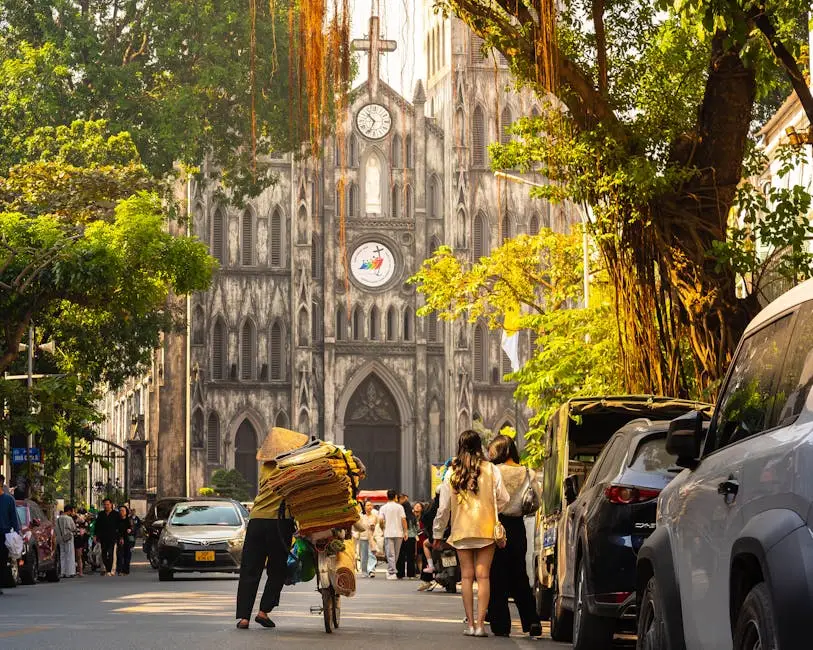
Hanoi: The Ancient Capital
Hanoi has been the political and cultural heart of Vietnam for over a thousand years, and it feels like it. Life here centers around the shimmering Hoan Kiem Lake and the tightly packed lanes of the Old Quarter, where street names still reflect the trades once practiced there.
Locals perch on low plastic stools at the crack of dawn sipping thick egg coffee. French colonial villas sit beside ancient pagodas. Narrow tube houses, some barely three meters wide, stretch back from the street in ways that make no architectural sense until you understand they were taxed by frontage. It’s a city that genuinely rewards slowing down and wandering without a plan.
Ho Chi Minh City: The Southern Powerhouse
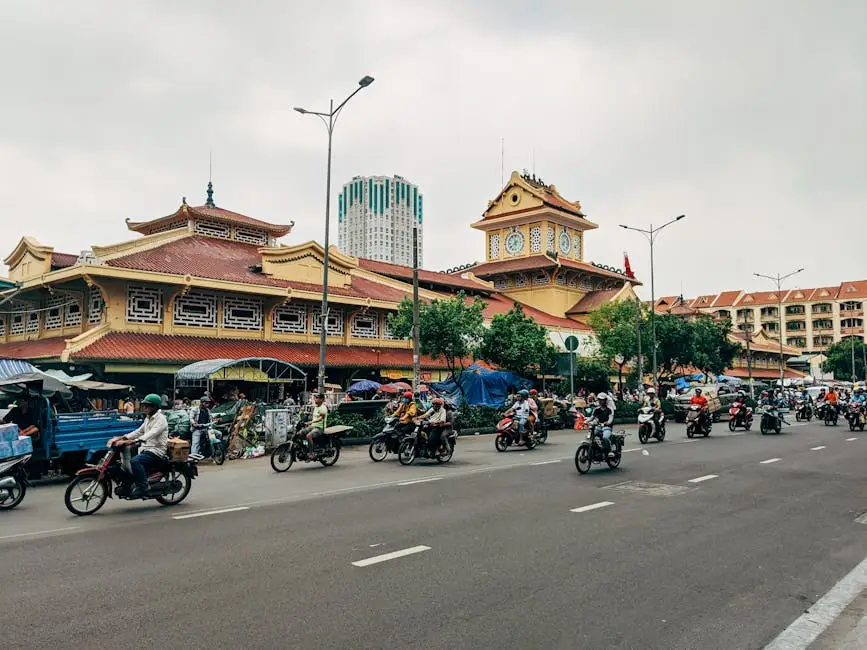
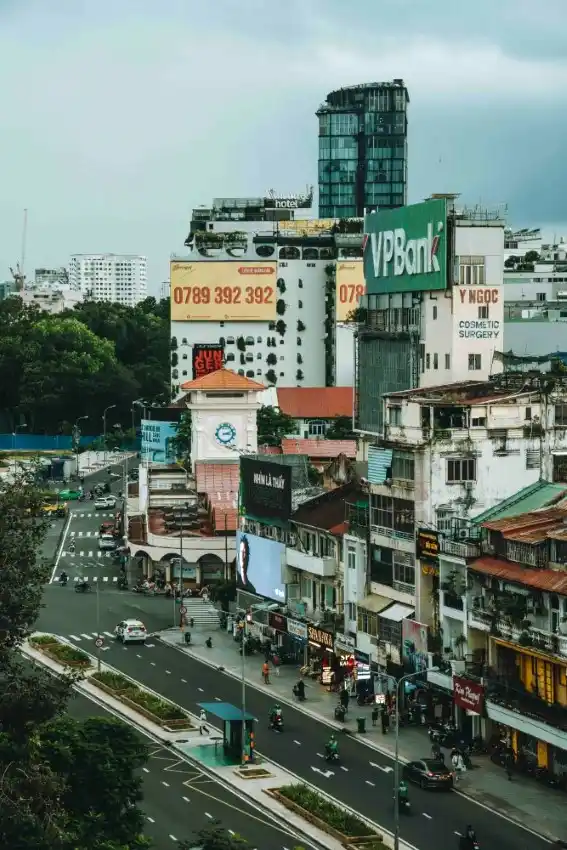
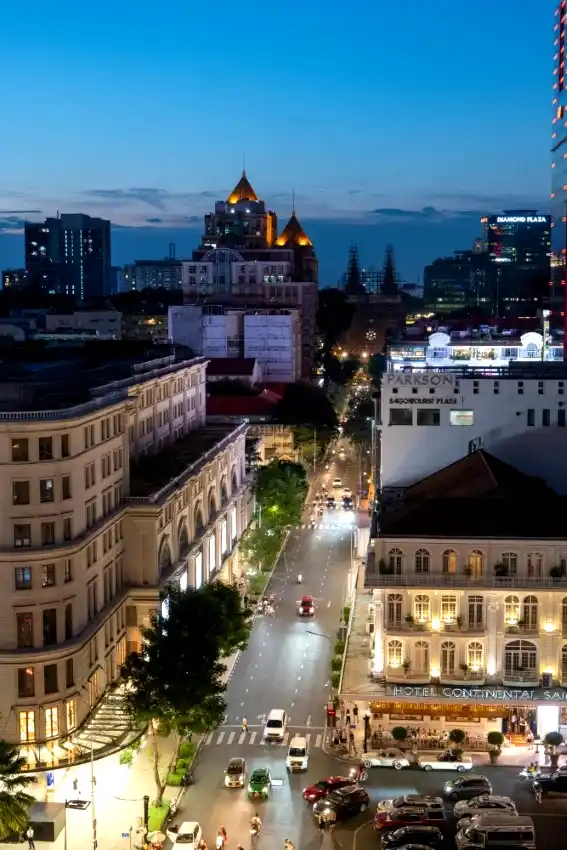
Saigon operates on a different frequency entirely. District 1 punches skyward with towers like the Bitexco Financial Tower, while wide, tree-lined boulevards carry a river of scooters in every direction.
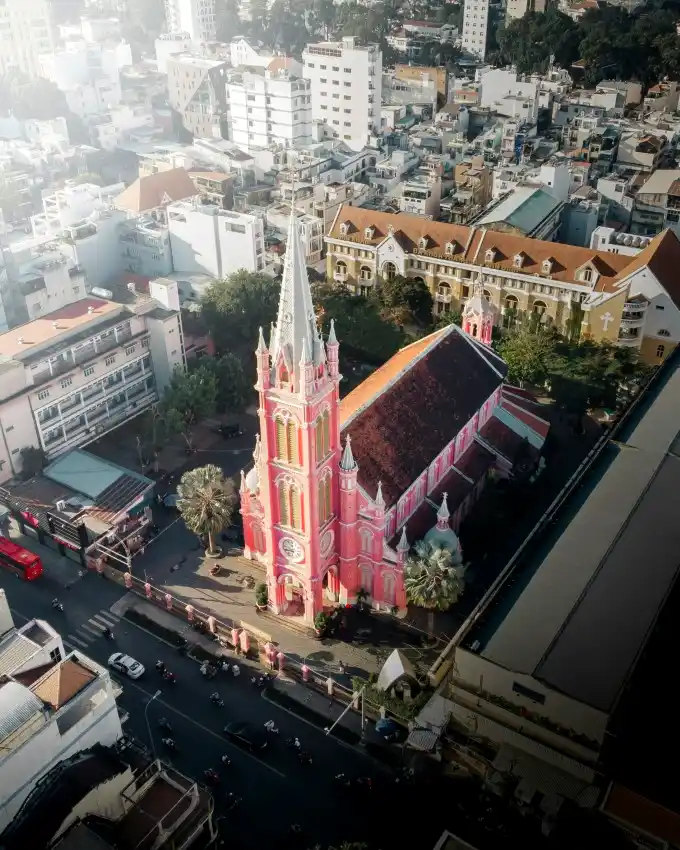
The Notre-Dame Cathedral, the grand Saigon Central Post Office, and the Reunification Palace stand as anchors amid the commercial intensity. The expat and digital nomad communities here are enormous, the restaurant scene is genuinely world-class, and when the sun goes down, the city shifts into a completely different gear. It’s fast, unapologetic, and absolutely alive.
How Much Does Each City Cost Per Day?
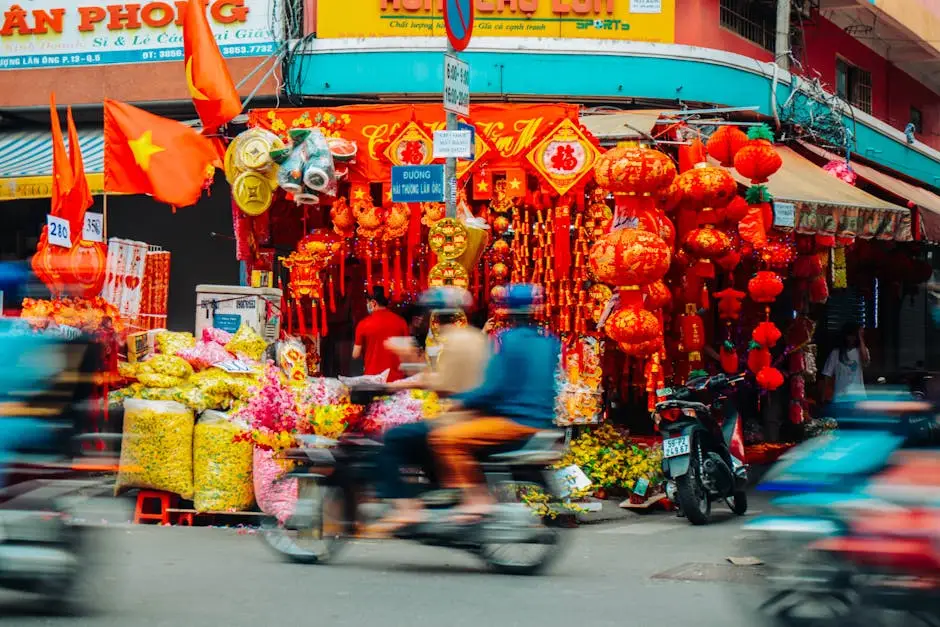
Daily costs in Vietnam scale remarkably well to every travel style. Backpackers staying in dorm hostels and eating street food exclusively can thrive on 750,000 VND ($30 USD) per day in either city. Comfortable mid-range travelers, with a private hotel room, sit-down restaurant meals, and the odd cocktail, realistically need 1,500,000 to 2,500,000 VND ($60 to $100 USD). Luxury travelers at premium hotels, fine dining venues, and spa days are looking at 5,000,000 VND ($200 USD) and up, easily.
In Hanoi, a bowl of genuinely exceptional Pho Bo in the Old Quarter costs around 45,000 VND ($1.80 USD). A fresh bia hoi draft beer poured straight from the keg runs as low as 11,000 VND ($0.45 USD). Mid-range boutique hotels in the Old Quarter offer beautifully designed rooms for 1,000,000 to 2,000,000 VND ($40 to $80 USD) per night.
In Ho Chi Minh City, street food stays equally affordable, but the premium end stretches further. A lunch in District 1 or the trendy Thao Dien expat enclave starts around 150,000 VND ($6.00 USD). Cocktails at rooftop bars or high-end speakeasies run 200,000 to 400,000 VND ($8 to $16 USD). The luxury hotel market here is genuinely competitive and world-class.

Skip the bus-station haggling on your
way to Hanoi. Book online with 12Go,
get an e-ticket, and show it on arrival.
Refunds available on most routes.
Getting Around: Transport in Both Cities
Forget unmetered street taxis. The single best thing you can do on arrival is download Grab, Xanh SM, or Be before you even land. These apps show you fixed prices upfront, track your route, and let you choose between a motorbike taxi for quick hops through traffic or a car for families and longer journeys. Xanh SM runs an entirely electric fleet, which makes for wonderfully quiet and comfortable rides.
Hanoi’s core around Hoan Kiem is genuinely walkable, though uneven pavements mean you’ll often be walking along the road edge. For anything beyond the Old Quarter, grab a ride. Ho Chi Minh City is far more spread out. Walking between District 1 and District 3 is doable, but crossing the wide multi-lane boulevards takes confidence. Step off the curb steadily, keep walking at a consistent pace, and the motorbikes will flow around you without drama. Never stop mid-crossing.

Skip the airport rank queue in Hanoi.
Welcome Pickups confirm your transfer
in advance, track your flight, and
meet you at arrivals with a name sign.
What to Eat in Hanoi and Saigon:
This is where the two cities really diverge. Northern Vietnamese food is delicate, restrained, and focused on clear broths and balanced umami. Southern food is bolder, sweeter, and far more willing to throw chili, coconut milk, and fresh herbs at everything in sight. Both are extraordinary. Eating your way between the two is one of the great pleasures of travelling the full length of Vietnam.
Northern Classics: Hanoi’s Finest
Northern Pho is the real deal: clear, deeply savory beef broth, wide rice noodles, minimal garnishes, and absolutely none of the thick hoisin sauce that Southern versions often arrive with.
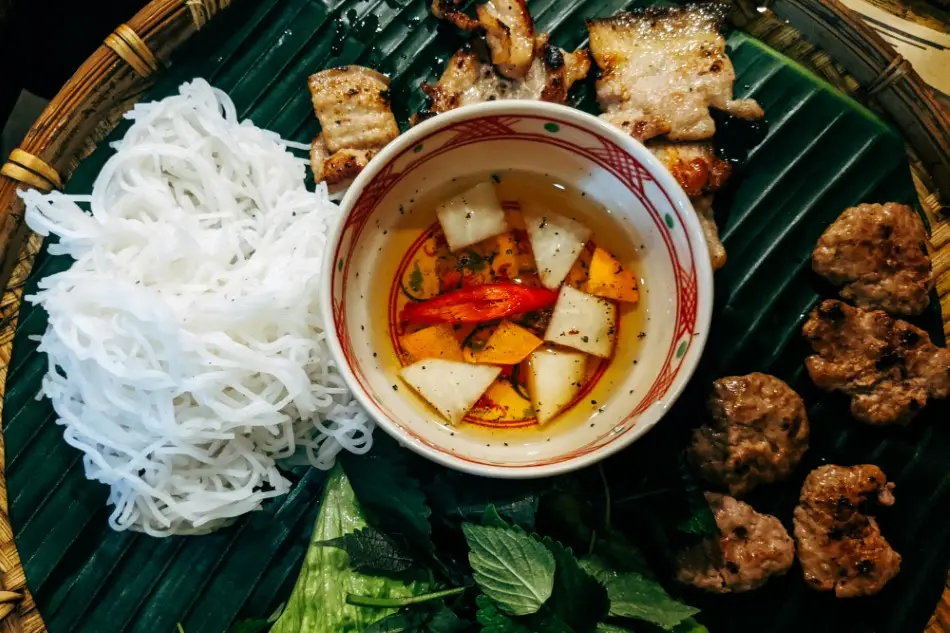
The other non-negotiable is Bun Cha: charcoal-grilled pork patties and pork belly floating in a warm, tangy fish sauce broth, eaten alongside cold rice vermicelli and a pile of fresh herbs.
Find it on the crowded stalls along Hang Buom Street rather than the tourist franchises near the lake. And if you have any sense of culinary adventure at all, track down Cha Ca La Vong: turmeric-marinated catfish pan-fried right at your table with enormous quantities of fresh dill and spring onions. It’s unlike anything else you’ll eat in Vietnam.
Southern Flavour: Saigon’s Street Food Scene
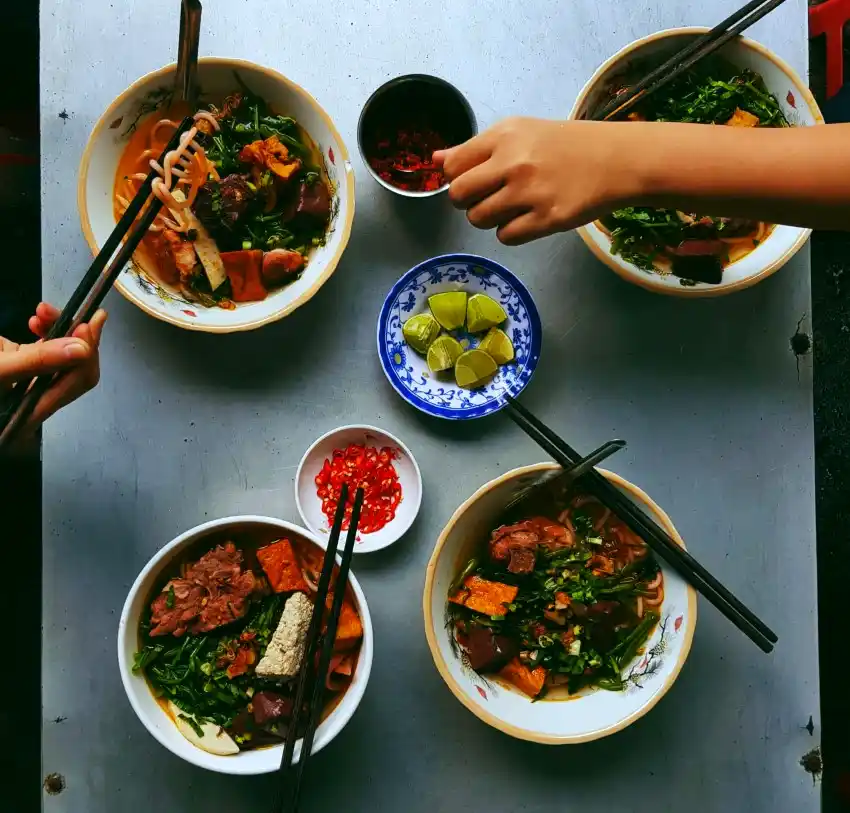
Ho Chi Minh City’s food scene pulls from the Mekong Delta, Cambodia, China, and beyond. Hu Tieu Nam Vang is a rich, complex pork and seafood noodle soup with clear Cambodian roots that you won’t find done properly anywhere north of the city.
Com Tam, broken rice served with a sweet-glazed grilled pork chop, a steamed egg meatloaf, and a drizzle of scallion oil, is the definitive Saigon lunch and one of the finest cheap meals in the country. For evening eating, head into Districts 4 or 10 for oc, sea snails stir-fried in lemongrass, chili, and salted egg yolk sauces at pavement tables. Order a round of local beers and prepare to make an absolute mess of your hands. It’s perfect.
Pro Tips for Stress-Free Travel:

- Ride-Hailing Apps: Download Grab, Xanh SM, or Be before you fly. Fixed pricing, route tracking, and the choice of motorbike or car make urban transport genuinely stress-free from day one.
- Cash is King: Street vendors, local cafes, and market stalls work almost exclusively in Vietnamese Dong (VND). Keep a supply of smaller notes (20,000, 50,000, and 100,000 VND denominations). Large 500,000 VND notes are a headache for small stalls to change.
- Connectivity: Pick up a local eSIM via Yesim or grab a physical SIM at the airport arrivals hall. Instant data means instant maps, translation apps, and ride-hailing from the moment you clear customs. Use a VPN like NordVPN on any public Wi-Fi.
- Booking Tours and Activities: Klook and Get Your Guide both carry excellent guided food tours, day trips to Ha Long Bay and the Mekong Delta, and skip-the-line city experiences. Booking ahead in high season (November to April) is genuinely worth doing.

Forget swapping physical SIMs in Hanoi.
Yesim’s eSIM works on most newer phones,
activates remotely, and keeps your home
number reachable for WhatsApp too.
Local Customs and Etiquette:
Vietnamese people are genuinely warm and welcoming to visitors, and a little effort toward respectful behaviour goes a very long way. At spiritual sites, including Hanoi’s Tran Quoc Pagoda, the Temple of Literature, and Saigon’s Jade Emperor Pagoda, shoulders and knees must be covered. Remove hats before entering shrine areas, keep your voice low, and never point your feet directly toward an altar or Buddha statue.
Pro Tip: Tipping isn’t traditional at casual street stalls or local cafes, but a tip of around 10% is genuinely appreciated at mid-range restaurants, spas, and when working with private tour guides. When bargaining at markets like Dong Xuan in Hanoi or Ben Thanh in Saigon, start at roughly 50% of the asking price, keep things playful, and never lose the smile. The exchange should feel like a friendly game, not a confrontation.

A Note for Nervous First-Timers:
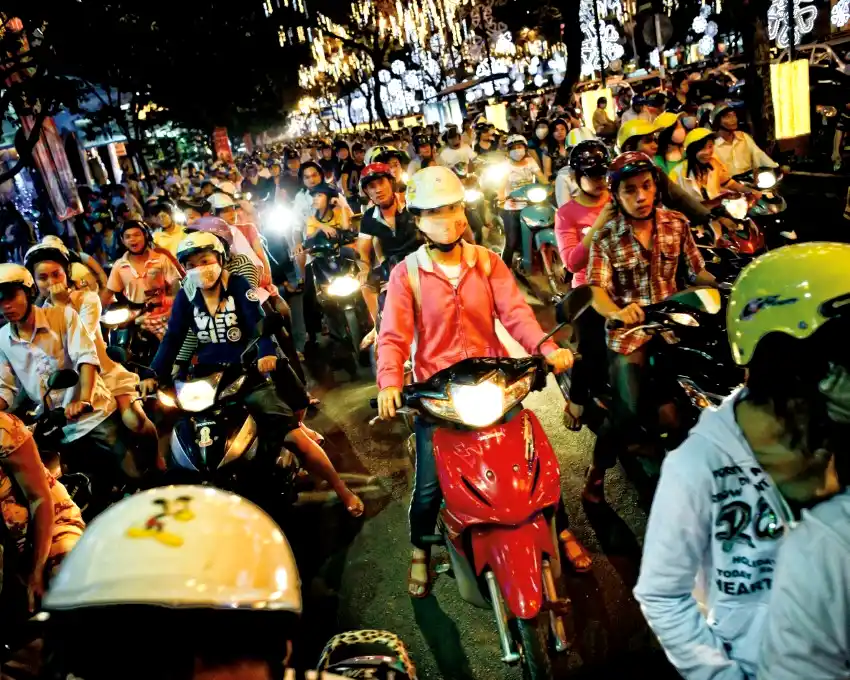
Vietnam is one of the safest destinations in Southeast Asia. Violent crime is genuinely rare, and the local population is overwhelmingly hospitable. The two things most worth knowing before you arrive are the traffic and the food.
Crossing the road looks terrifying until you understand how it works. The motorbike flow is organic and self-regulating. Step off the kerb with confidence, walk at a slow, consistent pace, and make eye contact with oncoming riders. They will steer around you every time. What you must never do is stop suddenly or lurch forward unpredictably.
For food safety, use the same rule that locals use: eat where the crowds are. High turnover means fresh ingredients. Look for vendors cooking over live charcoal or open flame at blistering temperatures. Drink only bottled or filtered water. And then order everything on the menu with absolute confidence, because the food in both cities is sensational.
Opportunistic petty theft does occasionally happen near busy tourist areas like Hanoi’s Cathedral or Saigon’s Pham Ngu Lao district. Keep your phone secure at kerbsides, zip your bag closed in crowds, and carry smaller denomination VND notes (20,000, 50,000, and 100,000 VND) rather than large 500,000 VND bills that small stalls struggle to break.
Slow Travel and Living in Vietnam:
Vietnam has quietly become one of the most attractive long-stay destinations in the world for remote workers, digital nomads, retirees, and families relocating from expensive Western cities. The multi-entry e-visa gives you 90 days to figure out whether you love the place (spoiler: you will), and the cost of living is genuinely transformative for anyone coming from the UK, US, or Australia.
Ho Chi Minh City is the preferred base for most digital nomads, thanks to faster internet infrastructure, an enormous co-working scene, and a large international community in areas like Thao Dien and District 2. Hanoi draws creatives and those after a quieter, more culturally immersive lifestyle, particularly around the West Lake and Truc Bach neighborhoods. Da Nang, on the central coast, sits between the two and has become a first stop for many long-termers testing the waters before committing to a full move.
Frequently Asked Questions:
Which city has better weather throughout the year?
Ho Chi Minh City wins on consistency. It stays tropical year-round, split into a dry season from November to April and a wet season from May to October. Hanoi has four genuine seasons: pleasantly cool springs and autumns, a hot and humid summer from June to August, and a genuinely chilly, damp winter from December to February where temperatures can drop below 15°C. Pack accordingly if you are visiting Hanoi in winter.
How many days should I spend in each city?
A minimum of three full days in each city gives you time to see the major landmarks and get a real feel for the place. Hanoi needs more time if you are planning excursions to Ha Long Bay or Ninh Binh. Ho Chi Minh City serves as the natural base for multi-day trips to the Mekong Delta. If you can only choose one, base it on your interests rather than a coin flip.
Is Ho Chi Minh City still called Saigon?
Yes, effectively. The city was officially renamed Ho Chi Minh City after reunification in 1975, but locals, expats, and frequent visitors almost universally still call it Saigon in everyday speech. Using either name is perfectly fine and widely understood.
Which city is better for families with young children?
Both are genuinely family-friendly, but Ho Chi Minh City edges ahead for families with very young children due to wider pavements, more international restaurants with familiar menus, and better access to premium medical facilities. Hanoi’s Old Quarter has narrow, uneven streets that can be tricky with prams or strollers. Both cities have excellent public parks, child-friendly attractions, and warm locals who adore children.
Which city is better for digital nomads and remote workers?
Ho Chi Minh City is the clear favourite for most remote workers. The internet infrastructure is faster, the co-working scene is massive, and the international community in areas like Thao Dien and District 2 means plenty of networking and social opportunities. Hanoi suits creative professionals who prefer a calmer, more culturally immersive lifestyle, especially around West Lake and Truc Bach.
Do I need a visa to visit Vietnam?
Most nationalities require a Vietnam e-visa, which covers 90 days and is multi-entry. It is applied for online before travel and is straightforward to obtain. Some nationalities are eligible for visa-free entry depending on bilateral agreements. Always check current requirements specific to your passport, as these do change. Your passport must have at least six months validity remaining when you travel.
Is it safe to eat street food in both cities?
Absolutely, and you should eat as much of it as possible. The golden rule is to eat where the locals eat. High customer turnover means fresh ingredients, and food cooked at high temperature directly over charcoal or open flame is safe and delicious. Avoid raw vegetables that have been sitting in water, unpeeled fruits from stalls, and anything that has been sitting out in the heat for extended periods. Stick to bottled or filtered water.
Can I visit both cities on one trip?
Yes, and this is the ideal way to experience the full contrast. Hanoi and Ho Chi Minh City are connected by multiple daily flights (around two hours), several train services along the Reunification Express route, and long-distance buses. Many travelers do the classic north-to-south or south-to-north itinerary over two to four weeks, stopping at Da Nang, Hoi An, and Hue along the way.
What is the best neighbourhood to stay in each city?
In Hanoi, the Old Quarter (Hoan Kiem District) puts you within walking distance of the lake, the best street food, and the majority of historical sights. In Ho Chi Minh City, District 1 is the central hub for first-time visitors. Thao Dien in District 2 is the preferred choice for longer-stay expats and families who want a quieter, greener neighbourhood with excellent international schools and restaurants.
Which city has better nightlife?
Ho Chi Minh City is in a different league for nightlife. The city runs 24 hours in practice, with world-class rooftop bars, multi-floor nightclubs, craft cocktail speakeasies, and a live music scene that keeps going until dawn. Hanoi has a genuinely charming evening culture centred on beer hoi corner drinking spots, jazz cafes, and the lively Ta Hien Street backpacker area, but the city enforces midnight curfews fairly strictly. Both are wonderful in different ways.