7kg Carry-On Challenge
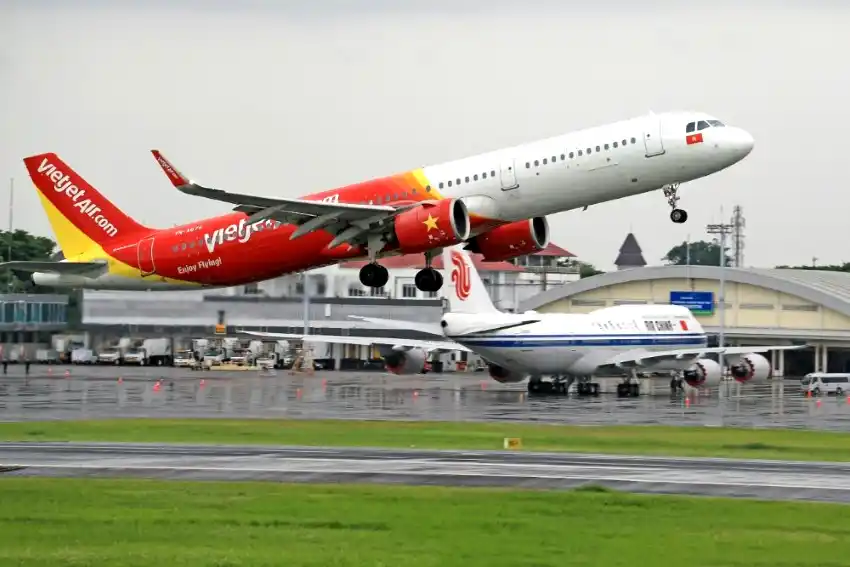
If you’re flying around Vietnam on budget airlines, you’re going to meet the 7kg carry-on challenge. It’s a strict baggage rule where your main cabin bag and your personal item (like a purse or small backpack) combined cannot weigh more than 7 kilograms (about 15.4 lbs). It sounds punishing at first, but nail it and you get to skip the massive check-in queues, dodge steep airport baggage fees, and move around the country like an absolute local. Trust us, once you get used to it, you won’t want to go back. Check out the ultimate Vietnam packing list if you want the full picture before you dive in here.
The Quick Summary:
- The Strict Airlines: Vietjet Air, Bamboo Airways, and Pacific Airlines will absolutely weigh your bags at check-in or right at the boarding gate.
- The Limit: Exactly 7kg total for your main bag plus any small personal item.
- The Penalty: If they catch an overweight bag at the gate, you’ll face an emergency gate fee starting around 500,000 VND ($20.60 USD) to throw it under the plane.
- Why It’s Worth It: Traveling light means jumping on motorbikes, squeezing onto sleeper buses, and sprinting between gates without breaking a sweat. It’s genuinely a superpower in this country.

Stay closer to the action in Vietnam.
Agoda lists everything from local
guesthouses to riverside resorts, with
verified reviews and instant booking.
Which airlines actually enforce the weight limits?
If you’re flying out of major hubs like Hanoi (Noi Bai) or Ho Chi Minh City (Tan Son Nhat), expect budget gate agents to be on point. They use scales at the check-in counters, and yes, they sometimes wheel them right to the departure gate to catch people trying to sneak extra weight through. It’s not personal. They just really love their scales.
If you’re planning a multi-city trip, read up on how to get around Vietnam so you know which routes are dominated by budget carriers and which have more forgiving full-service options. Knowing your airlines in advance makes packing decisions a lot easier.
| Airline Type | Carry-On Weight Limit | How Strict Are They? |
|---|---|---|
| Vietjet Air (Eco/Deluxe) | 7kg (15.4 lbs) Total | Extremely High |
| Bamboo Airways (Economy) | 7kg (15.4 lbs) Total | High |
| Vietnam Airlines (Economy) | 10kg to 12kg Total | Moderate |
Note: Vietnam Airlines is usually much more relaxed with a 10–12kg limit, but if you take a smaller propeller plane out to spots like Con Dao Island, they will often stick strictly to a 7kg cap because space in the hold is genuinely tight.
It’s also worth checking whether your flights are bookable in advance through 12GO, which lets you compare carriers and grab cheap domestic connections all in one place. Knowing your operator early means you can plan your bag weight before you even start packing.
How to pick the right lightweight gear:

The biggest mistake people make is starting with a heavy bag before they’ve packed a single thing. A standard hard-shell roller bag can easily weigh 2.5kg to 3.5kg completely empty. That blows your budget before you’ve even looked at your wardrobe.
Instead, grab a lightweight nylon or canvas travel backpack that sits under 1kg empty. Just make sure it fits the standard dimensions (56cm x 36cm x 23cm) and use lightweight packing cubes to keep things compressed and organised without stacking on extra grams.
- Traditional Roller Bag: Takes up ~3.0kg empty. Leaves you only 4.0kg for everything else.
- Ultralight Travel Pack: Takes up ~0.8kg empty. Leaves you a much more workable 6.2kg for clothes and gear.
If you’re planning a motorbike route through Vietnam, a soft-sided backpack also doubles perfectly as your riding bag. Roller bags and mountain roads are not friends.

GetYourGuide has Vietnam’s best
excursions covered: museums, tours,
and unique experiences with verified
operators and instant mobile vouchers.
Packing for Vietnam’s different climates:
Vietnam’s weather depends entirely on where and when you go, and this is the part most people underestimate. Southern spots like Ho Chi Minh City are tropical and sweaty year-round, but a winter trip north to Hanoi’s Hoan Kiem district can get surprisingly chilly and damp. The best time to visit Vietnam varies by region, so it’s worth checking before you commit to a packing list.
Stick to lightweight, quick-dry fabrics: linen, thin merino wool, or synthetic blends. They breathe in the heat, dry overnight after a wash, and don’t hold onto that distinctive “been on a bus for six hours” smell quite as aggressively. Here’s a solid baseline:
- 3 lightweight, moisture-wicking shirts
- 2 pairs of breathable shorts or skirts
- 1 pair of versatile pants (good for evenings, riding motorbikes, or temple visits)
- 5 pairs of underwear
- 1 packable rain jacket (for those sudden tropical downpours that appear from nowhere)
Dressing for temples and sacred sites
When visiting historic spots like the pagodas in Hoi An or the Imperial Citadel in Hue, you need to cover your shoulders and knees out of respect. Toss a lightweight sarong or a thin linen button-up into your bag. It takes up almost no space and you can throw it on in thirty seconds before heading inside. The Vietnamese culture and etiquette guide covers the full dress code plus everything else worth knowing before you arrive.

Pro Tips For Stress-Free Travel:
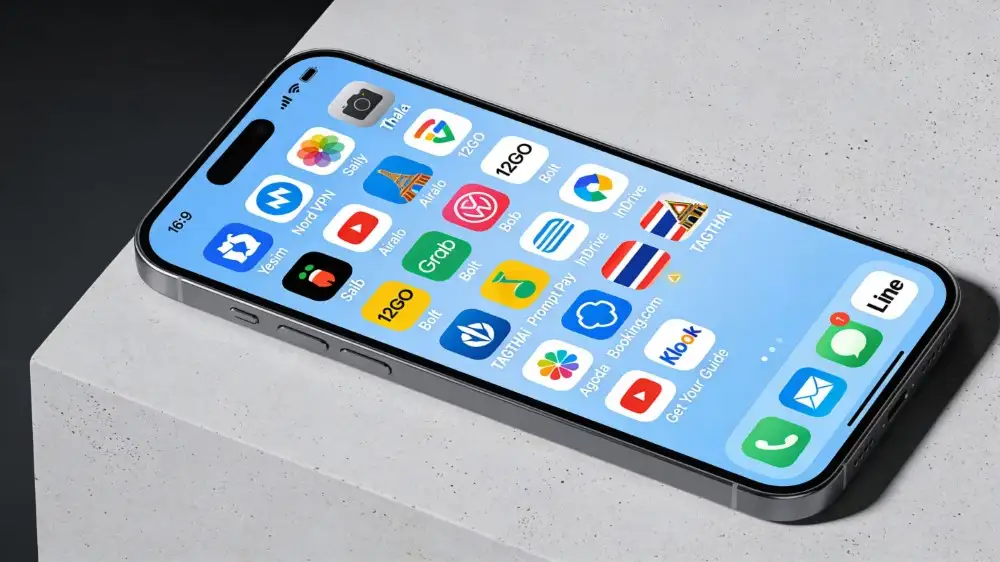
A few things worth getting sorted before you land:
- Getting Around: Download Grab or Xanh SM (electric vehicles, very smooth). Both give you fixed, transparent pricing so you never have to haggle with a driver or wonder if you’re being overcharged.
- Booking Stays: Agoda is the strongest option for Vietnam, especially for smaller towns where the inventory is huge. Booking.com is a good alternative if you want free cancellation flexibility.
- Airport Transfers: For your first arrival, especially if it’s late or you’re landing at a busy hub like Tan Son Nhat, a pre-booked transfer through Welcome Pickups is worth every cent. Fixed price, a driver with your name on a sign, zero stress.
- Activities: Get Your Guide and Klook are the two best platforms for booking tours, day trips, and experiences across Vietnam. Both have solid refund policies and real reviews.
Cash and currency tips
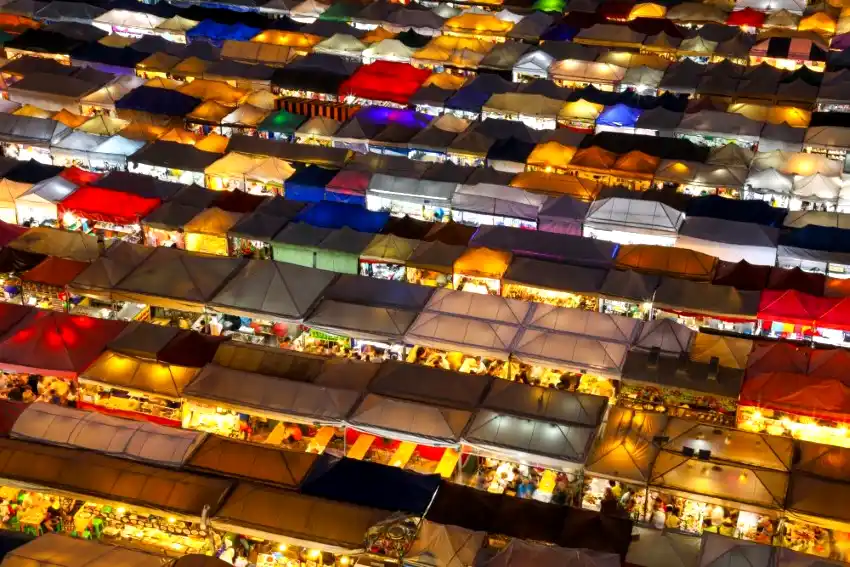
The local currency is the Vietnamese Dong (VND). While bigger spots in Hanoi and Ho Chi Minh City accept cards, smaller street food vendors, local markets, and most taxis are still cash-only. Keep smaller bills handy, especially 20,000 VND and 50,000 VND notes, for everyday spending. When bargaining at local markets, keep it friendly, flash a smile, and counter-offer around 30% to 40% below their opening price. The Vietnam currency and money guide has the full rundown on ATMs, exchange rates, and where not to get ripped off.

Skip the airport SIM queue when you
land in Vietnam. Yesim’s eSIM activates
before takeoff so you’re online the
second your plane touches the tarmac.
Managing electronics and toiletries:
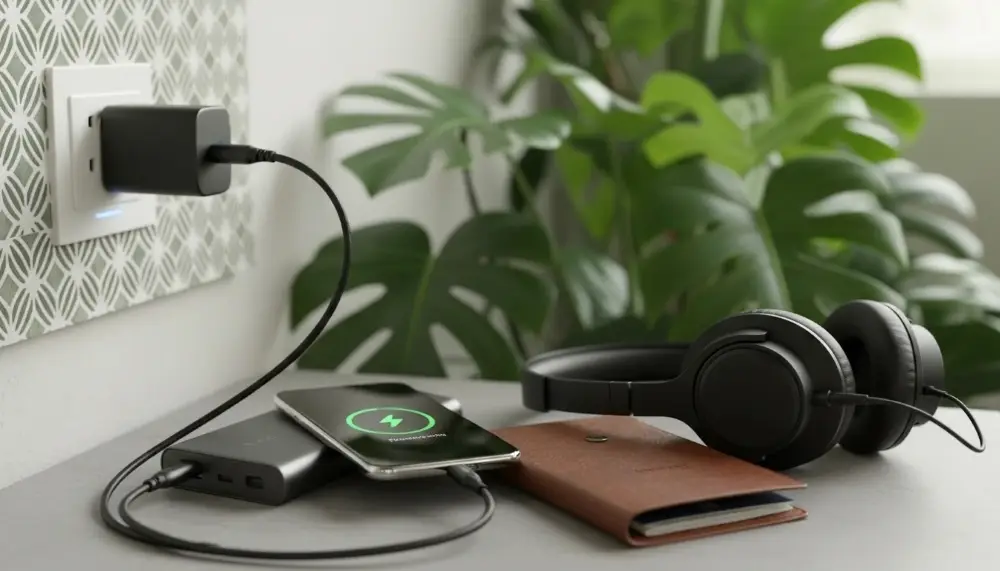
Heavy tech and liquids will break your 7kg limit faster than anything else. And remember, budget airlines will weigh your small personal bag alongside your backpack, so you can’t hide a heavy laptop in a tote and expect to get away with it.
The minimal tech setup
Try to stick to your smartphone and a compact power bank (under 10,000 mAh). If you’re a digital nomad heading to the cafes in Da Nang, check out the full digital nomad gear guide for what’s worth bringing and what’s better left at home. A lightweight tablet with a slim wireless keyboard can replace a laptop for most tasks and saves you nearly a kilogram.
Streamline your toiletries
Don’t pack heavy bottles from home. Vietnam has convenience stores and pharmacies on almost every corner, stocked with affordable travel-sized basics. The Vietnam pharmacy guide breaks down exactly what’s easy to find locally so you know what not to bother packing.
Pro Tip: Leave the heavy sunscreen and bug spray at home. Buy them when you land to save precious room and weight in your bag.
Is it easy to do laundry in Vietnam?
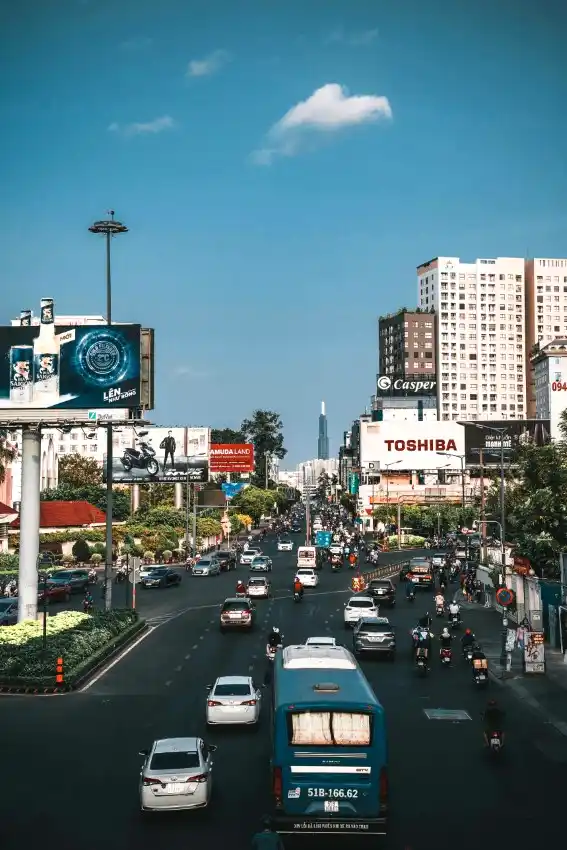
Incredibly easy, and honestly one of the best things about travelling Vietnam on a tight pack. Every neighbourhood has local laundry shops (Giặt Ủi) that charge by the kilogram. Drop your clothes off in the morning and you’ll usually get them back fresh and folded by evening.
Because of this, you really only need to pack about four days’ worth of clothes, even on a month-long trip. Expect to pay around 20,000 VND to 40,000 VND ($0.82 to $1.65 USD) per kilo. If you’re staying in expat-friendly spots like the An Thuong area in Da Nang, you’ll see signs for these shops everywhere.
If you end up loving the country and want to stay longer, the Vietnam digital nomad guide has everything you need on setting up a proper base, from finding fast Wi-Fi cafes to securing a longer-stay apartment.

Book Vietnam day trips, attractions,
and activities in one place. Read real
reviews, check availability, and lock in
your spot before the popular slots go.
A quick note if you’re feeling nervous:
Vietnam is generally a very safe and welcoming country for solo travellers and families alike. Violent crime is rare. Your main focus will be learning how to cross the busy streets (go slow, make eye contact, keep moving) and avoiding the basic tourist scams that target anyone looking a bit lost.
In crowded markets, flip your backpack around and wear it on your front to keep an eye on your things. When it comes to street food, just follow the crowds. If a stall is packed with local families, the food turnover is fast and the ingredients are fresh. You can read the full honest breakdown in the is Vietnam safe guide, including tips for solo female travellers.
Common Vietnam travel mistakes are almost always avoidable with a bit of reading before you go. Overpacking is, without question, one of the most common ones.


Skip the airport kiosk queue in Vietnam.
Airalo’s eSIMs are pre-loaded before
you fly and ready to switch on the
instant you connect to the network.
Thinking of staying longer?
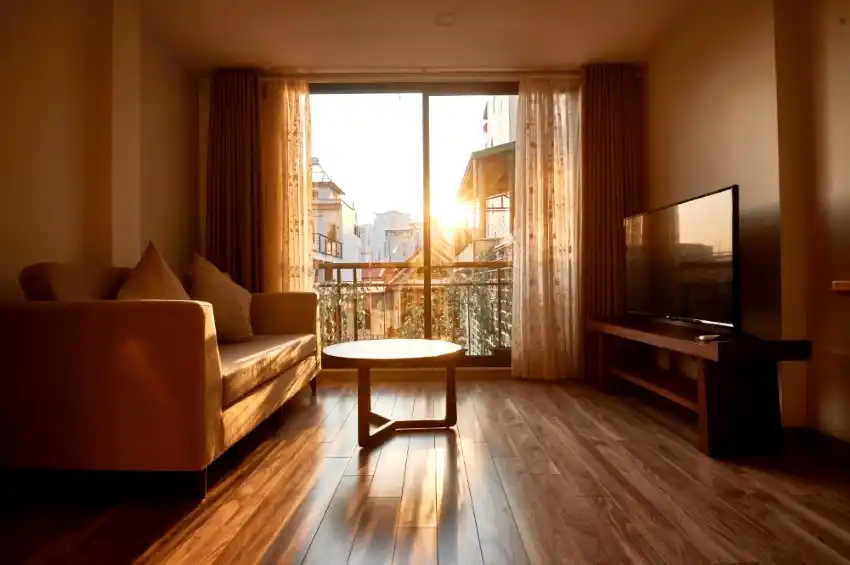
If you fall in love with the country and want to stay past a normal holiday, it’s a fantastic place for a longer stint. A Vietnam e-visa makes it easy to set up base in beach towns like Da Nang or the expat hub of Thao Dien in Ho Chi Minh City. The internet is fast, the cost of living in Vietnam is very affordable, and apartment rentals are easy to find.
The digital nomad scene here is huge, and renting apartments in Vietnam as a foreigner is far simpler than you’d expect. Month-to-month furnished places with fast Wi-Fi are easy to find in most major cities. (And yes, if you’re travelling long-term with a pet, you can bring them through major airport customs hubs as long as you have your international health certificates sorted ahead of time.)
Sort these two things before you fly:
Two things are genuinely worth sorting from home before you board, and neither takes more than ten minutes.
Get an eSIM before you land
The moment you touch down, you’re going to want data. Grab an eSIM through Yesim before you leave home and your phone connects automatically the second you land. No hunting for a SIM shop, no queuing at the airport counter, no awkward “can you cut this to nano?” moments. Airalo is a solid alternative if you want to compare plans, but Yesim’s Vietnam coverage and pricing is hard to beat. The full breakdown is in the Vietnam SIM cards and internet guide.
Don’t skip travel insurance
Vietnam’s healthcare is decent in the big cities but costs for foreign visitors without insurance can be eye-watering. SafetyWing is the go-to for travellers and nomads alike. It’s affordable, covers emergency medical and trip disruptions, and you can sign up literally the day before you fly. The travel insurance Vietnam guide runs through what to look for and how to avoid the common policy pitfalls.
Frequently Asked Questions:
Do airlines weigh your personal item too?
Yes. Budget airlines like Vietjet will put both your main backpack and your small personal item on the scale together. The total weight of both items needs to be under 7kg. Don’t try to hide a heavy camera bag under your seat, they’re wise to it.
What happens if my bag is over 7kg at the gate?
They’ll make you pay an emergency checked bag fee on the spot, either by cash or card, and your bag goes down into the cargo hold. The fee typically starts around 500,000 VND ($20.60 USD) but can be significantly higher depending on the route and how overweight you are.
Can I just buy clothes in Vietnam if I underpack?
Easily. Vietnam is famous for textiles and clothing. Whether you want cheap t-shirts from a local market, gear from modern malls in Ho Chi Minh City, or a custom-tailored outfit made to measure in Hoi An, buying clothes on the go is incredibly affordable and genuinely fun.
Can I add checked baggage on Vietjet after booking?
Yes. You can add checked baggage allowance when you book, or manage it through the Vietjet app before your flight. Adding it in advance is always cheaper than paying at the airport counter on the day.
What size bag fits as carry-on on Vietnamese budget airlines?
The standard maximum is 56cm x 36cm x 23cm (length x width x depth). Most travel backpacks marketed as 40L to 45L will fall within this. Check your bag’s stated dimensions before you buy, and note that the frame, handles, and wheels are included in the measurement.
Is it worth paying for checked baggage instead?
If you’re doing a single one-way flight, adding a checked bag can make sense. But if you’re hopping between cities on multiple budget flights, the check-in queue time alone makes carry-on-only worth the discipline. Most travellers who go carry-on-only say they’d never go back.
Do I need a padlock for my carry-on bag in Vietnam?
Not for security in the Western sense, but a small TSA-approved lock on your bag’s zips is useful in busy markets and on overnight buses where your bag might be out of sight. Most budget accommodation has lockers for your valuables.
Can I take liquids in my carry-on on Vietnamese domestic flights?
Yes, the standard international liquids rule applies: containers must be 100ml or under, and they all need to fit in a single clear 1-litre zip-lock bag. Anything larger goes in checked baggage. Buying your sunscreen and shampoo locally is an easy way to sidestep this entirely.
Is a 20L backpack big enough for carry-on travel in Vietnam?
For trips of a week or under, yes, if you’re disciplined. For anything longer, a 30L to 40L pack is more practical, especially given how often you’ll want to carry a light layer for air-conditioned restaurants, a packable rain jacket, and a day’s worth of snacks on long journeys.
What’s the best way to weigh my bag before I leave home?
A cheap luggage scale (the kind you clip onto the handle and lift) is the easiest option and weighs almost nothing itself. Alternatively, weigh yourself on your bathroom scales, then weigh yourself holding the bag, and subtract. It’s low-tech but works perfectly.