Vietnam Boat Tours
Vietnam is a nation shaped entirely by water. From the towering karst peaks of the northern gulfs to the endless alluvial channels of the southern delta, life out here unfolds along the waterways, and the best way to understand this country is to get out onto them.
Exploring by boat gives you a front-row seat to stunning limestone towers, vibrant floating markets, and traditional fishing villages that remain completely inaccessible by road. Whether you’re after a two-hour sampan ride through flooded mountain valleys or a three-night luxury cruise on a private sun deck, Vietnam delivers.
The Quick Summary:
- Budgets: Single-day excursions run between 250,000 VND and 2,500,000 VND ($10 to $100 USD). Multi-day luxury cruises range from around 3,800,000 VND ($150 USD) to over 15,000,000 VND ($600 USD) per person, depending on the ship and cabin class.
- Regional Vibe: Northern tours are famous for dramatic limestone karsts. Central Vietnam focuses on historical riverways and epic cave systems. Southern routes showcase the slow, expansive agricultural life of the Mekong Delta.
- Entry Requirements: Most travellers apply through the official electronic portal for a 90-day e-visa before departure. It’s straightforward and makes planning your on-the-water itinerary far easier.
- Booking Windows: High-season cruises in the northern bays fill up fast, so book two to three months ahead. Day trips in the south can usually be arranged with 24 to 48 hours’ notice.

Book Vietnam day trips, attractions,
and activities in one place. Read real
reviews, check availability, and lock in
your spot before the popular slots go.
Which Vietnam Boat Tours Are Worth Your Time?
Vietnam boat tours offer distinct regional experiences, and where you go depends on what you’re after. Multi-day luxury cruises among northern limestone towers, hand-paddled sampan trips through central cave networks, or motorised wooden boat explorations of southern floating markets — these are completely different adventures, and you could easily fill a whole trip doing just one of them well. If you’re still piecing together your route, our 2 Weeks In Vietnam itinerary is a good place to start mapping it all out.
| Destination | Primary Boat Type | Best Time to Visit | Signature Highlight |
|---|---|---|---|
| Ha Long Bay | Multi-day Luxury Steel or Wooden Junk Cruise | October to March | Sleeping among thousands of towering limestone islands |
| Trang An (Ninh Binh) | Traditional Hand-Rowed Bamboo Sampan | January to April | Gliding through flooded mountain valleys and low-hanging caves |
| Mekong Delta (Can Tho) | Motorised Wooden Longtail Boat | September to December | Watching bustling early morning commerce at floating markets |
Exploring by Region, One Waterway at a Time:
Northern Vietnam Karst Cruises
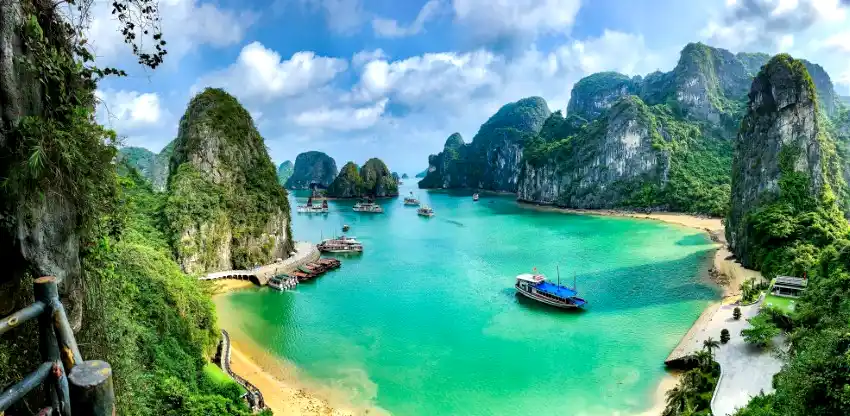
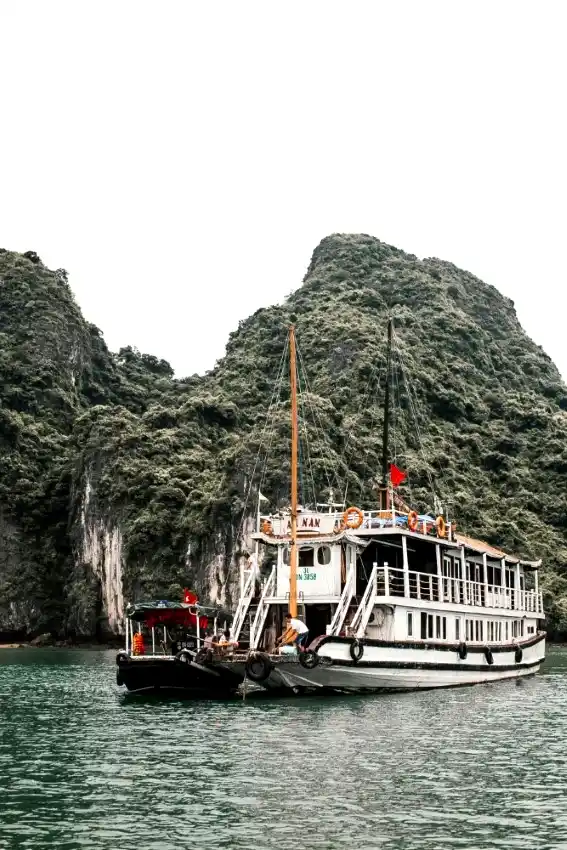
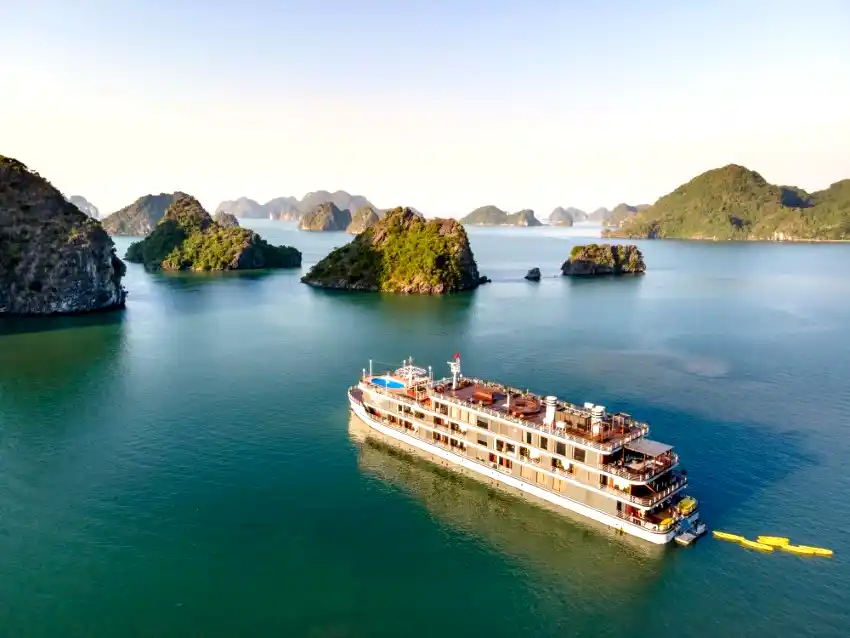
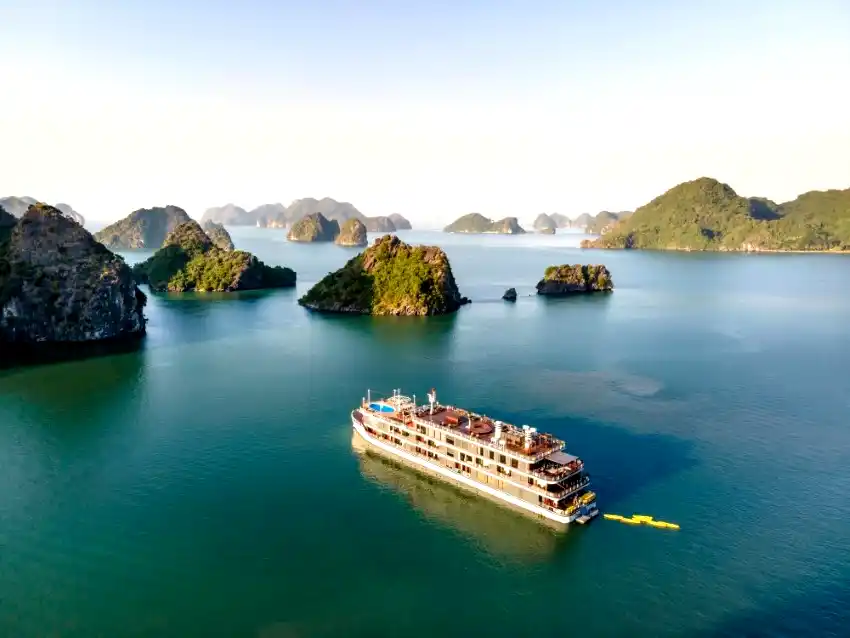
The emerald waters of the north host the most iconic marine scenery in Southeast Asia, and everything looks different from the water. Multi-day cruises depart from Tuan Chau Harbour or the International Port in Ha Long City, taking you deep into a maze of towering cliffs and hidden grottoes. Ha Long Bay is the household name, but savvy travellers frequently opt for Lan Ha Bay or Bai Tu Long Bay instead. Same jaw-dropping geology, significantly fewer ships sharing the water.
Our Ha Long Bay vs Lan Ha Bay comparison breaks down exactly which suits you. And if you’re travelling up from Hanoi, the Getting To Ha Long Bay guide covers your transfer options in detail. For those who haven’t locked in accommodation yet, Where To Stay In Hanoi is worth a look before your cruise departs.

Central Vietnam Cave and River Routes
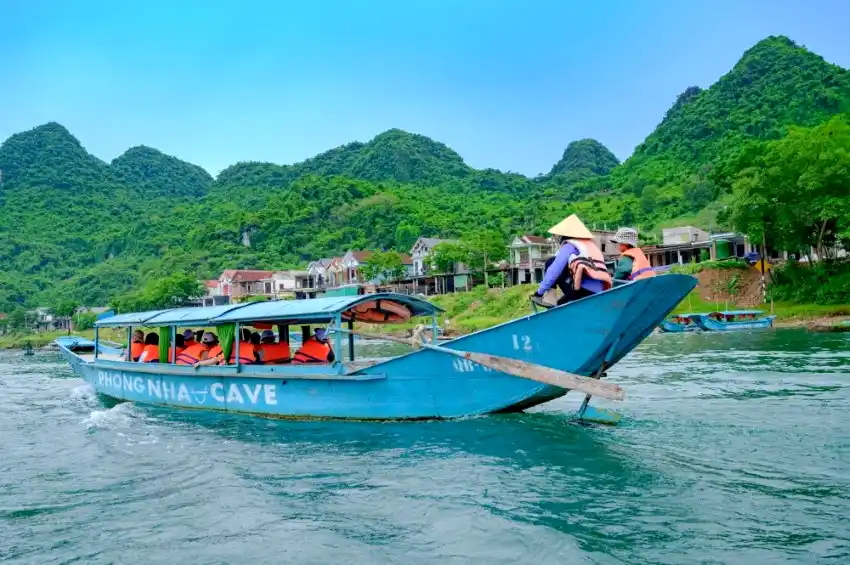
Central Vietnam uses smaller watercraft to showcase riverine culture and subterranean wonders in a way that nothing else really can. In Ninh Binh, local rowers guide small bamboo sampans through the flooded karst landscape of Trang An, skillfully navigating low cave ceilings using foot-rowing techniques to give their arms a rest. It’s mesmerising to watch. Further south in Phong Nha-Ke Bang National Park, motorised longtail boats transport you down the Son River and drop you right inside the cavernous mouths of ancient cave networks.
The Trang An Boat Tours guide goes deep on what to expect. If you’re planning a day trip from the capital, Ninh Binh Day Trips From Hanoi has the logistics sorted. Closer to the coast, the riverside lanes of Hoi An offer peaceful lantern-lit evening boat rides that feel like a completely different Vietnam.
Southern Delta Market Explorations
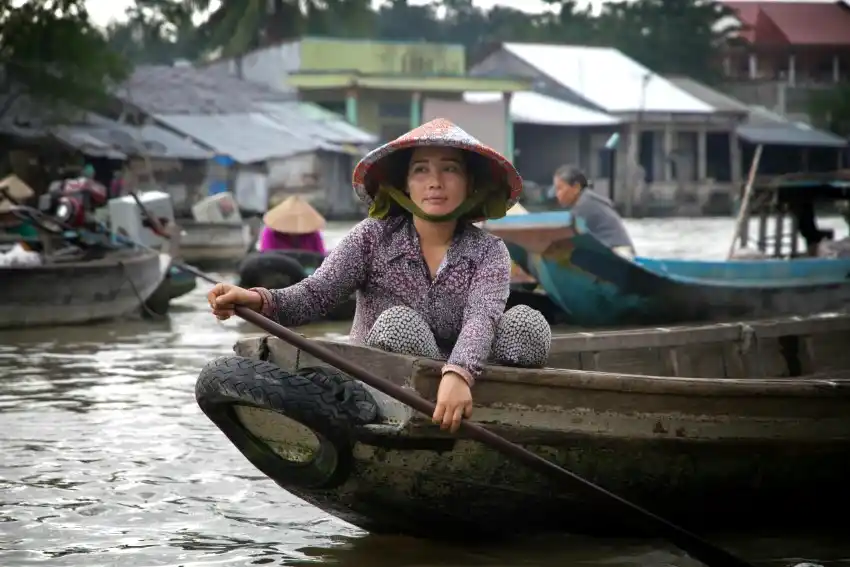
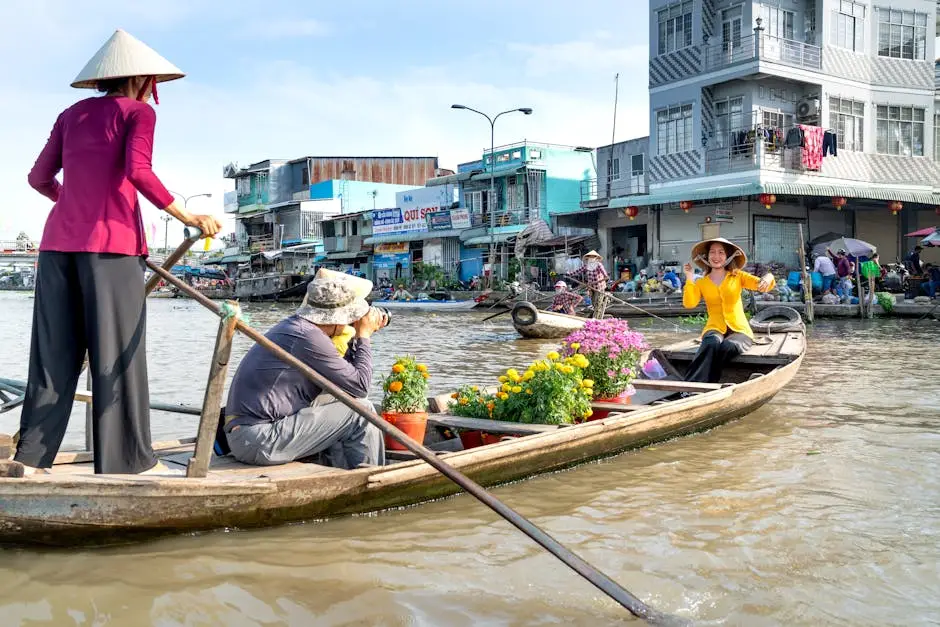
The south is defined by the mighty Mekong River, where daily life is dictated by the pulse of the water. Departing from hubs like Can Tho or My Tho, motorised wooden boats weave through early morning floating markets where vendors hang their produce from long bamboo poles so buyers know what’s for sale before they pull alongside. These routes provide direct access to tropical fruit orchards, riverside brick kilns, and narrow mangrove canals that land transport can’t reach.
Most visitors approach via Ho Chi Minh City and take the Mekong as a day trip or overnight detour south. Check our guide to Ho Chi Minh City Day Trips for how to put it all together. Where To Stay In Ho Chi Minh City is worth locking down before you head out on the water.

Lock in top-rated Vietnam tours with
GetYourGuide’s free cancellation up to
24 hours before. Reserve now and pay
later if your dates aren’t locked in.
What Do These Tours Cost?
The cost of a boat tour in Vietnam depends entirely on how long it lasts, the class of the vessel, and whether it includes overnight accommodation. Prices scale from a few dollars for a public ferry up to serious luxury money for elite boutique cruise ships. For a broader look at what things cost across the country, our Vietnam Travel Costs guide has a useful breakdown.
Budget Single-Day Excursions
Independent travellers can access standard day trips incredibly easily without pre-booking anything fancy. A classic three-hour rowboat circuit through the dramatic landscapes of Trang An costs a fixed rate of 250,000 VND ($10 USD) per person. Down south, hiring a private wooden longtail boat for a morning tour of the Cai Rang Floating Market in Can Tho will set you back about 350,000 VND to 500,000 VND ($14 to $20 USD) for the entire vessel, making it a steal for couples or small groups.
Our Vietnam Budget Travel Guide has plenty more tips for keeping costs sensible without sacrificing the good stuff. For booking day trips with verified operators, Klook and Get Your Guide are your go-to platforms, with cancellation policies and reviews you can actually trust.
Mid-Range and Luxury Overnights
For overnight journeys in the north, mid-range ships charge between 3,000,000 VND and 4,500,000 VND ($120 to $180 USD) per person for a standard two-day, one-night itinerary, which includes all meals and daily activities. High-end luxury cruises feature private balconies, fine dining, and gorgeous onboard spas. These rates start around 6,250,000 VND ($250 USD) and can easily scale past 15,000,000 VND ($600 USD) per night for premium suites.
Booking direct with the cruise line works fine for well-known operators. For everything else, Agoda has deep inventory and often the best prices on combined cruise-and-hotel packages in the north. Our dedicated Ha Long Bay Cruises guide can help you pick the right ship, and the Ha Long Bay Budget vs Luxury comparison is useful if you’re on the fence about how much to spend.

Lock in your Vietnam accommodation early
and beat peak-season price hikes.
Agoda’s filters let you compare options
side by side before you commit.
Local Customs on the Water:
Nailing the local etiquette makes for smoother, more respectful interactions with the marine communities, temple caretakers, and boat operators who work hard along Vietnam’s waterways. A bit of awareness goes a long way. For a broader look at how to handle yourself across the country, our Vietnamese Culture and Etiquette guide is a great companion read.
Tipping Customs for Boat Crews
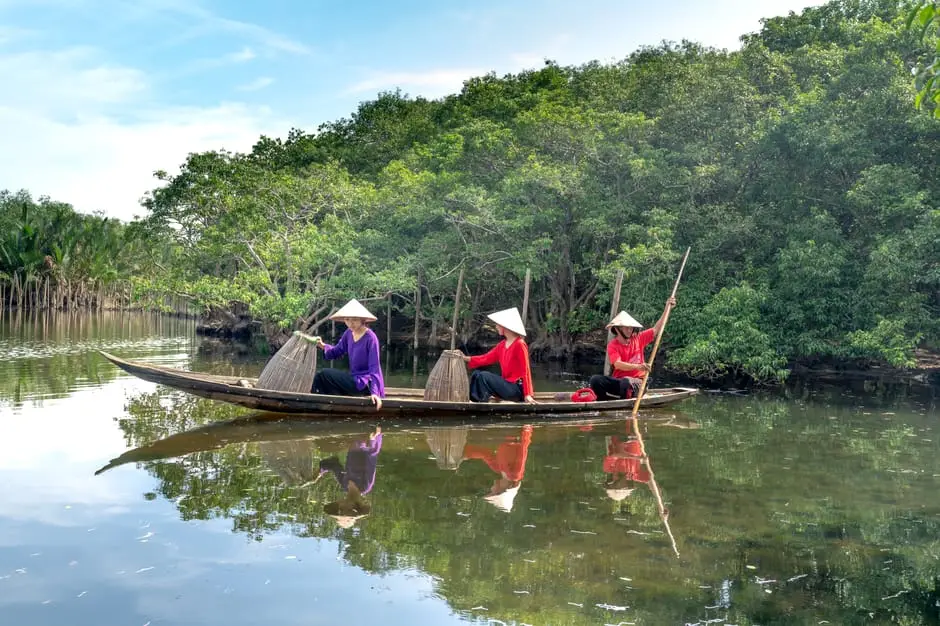
Tipping isn’t traditional in casual land-based restaurants, but it is highly customary and deeply appreciated within the tourism transport sector. For day trips involving hand-rowed sampans, such as those in Ninh Binh or the river at Hoi An, leaving a tip of 50,000 VND to 100,000 VND ($2 to $4 USD) directly to your rower is standard practice. Their job is physically intense, and the tip makes a real difference.
On multi-day cruises, you’ll usually find a communal tip box at checkout where leaving 120,000 VND to 250,000 VND ($5 to $10 USD) per day per guest is the norm for the entire ship crew.
Temple and Pagoda Etiquette Along the Water
Many boat tours include stops at historic shrines or temples on isolated riverbanks, and these aren’t just photo opportunities. When you step off the deck and onto sacred shores, make sure your shoulders and knees are covered. Remove your shoes before entering interior altar halls, keep your voice down, and avoid pointing fingers or selfie sticks directly at religious statues.
Our Vietnam Temples and Pagodas Guide covers all the specific things to know before you visit.

Bargaining with Floating Vendors
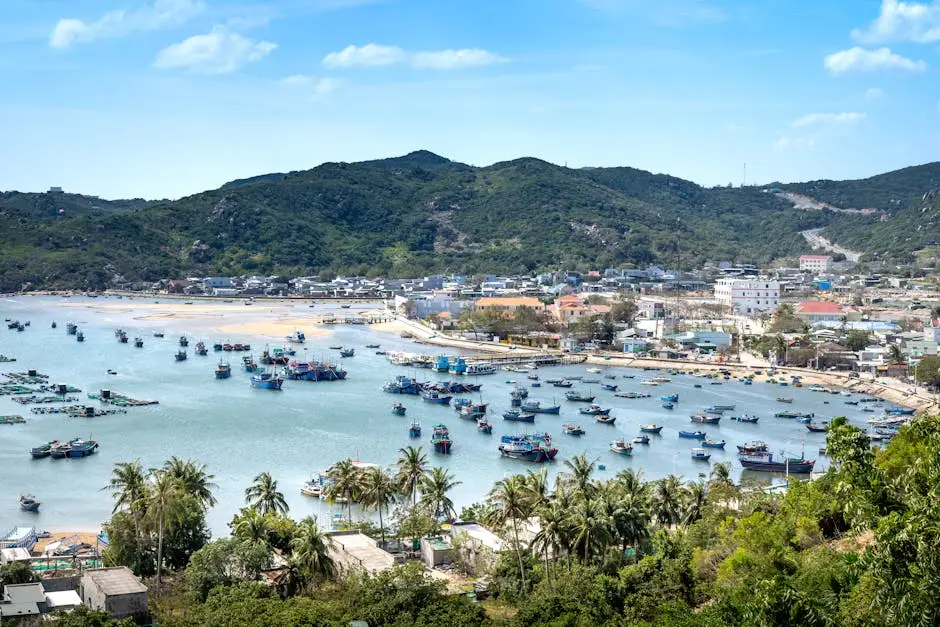
When you encounter vendors selling fresh fruit, snacks, or hot coffee from small watercraft in the Mekong Delta, friendly bargaining is expected, but keep it lighthearted. A negotiation of 10% to 20% off the initial quoted price is totally fine and nobody will take offence, but avoid aggressive price slashing. These quick transactions directly support the livelihoods of independent riverside families, and the amounts involved are genuinely small. Pay a fair price and enjoy your pineapple.
Pro Tips for Stress-Free Water Travel:

- Book Tours Through the Right Platforms: Use Klook and Get Your Guide to research and book verified single-day boat excursions. For major overnight cruises, booking directly with the cruise line or through Agoda gives you the most reliable reservation management and often the best rates.
- Get to the Jetty Without the Stress: Use Welcome Pickups for a pre-booked, fixed-price transfer to your boat terminal. It removes any early-morning taxi drama and means you arrive on time with your bags in one piece.
- Stay Connected Out on the Water: Install an eSIM from Yesim before you arrive. It gives you solid 4G/5G data coverage even when you’re cruising past coastal islands or threading through delta canals where local SIM cards can drop signal. Our Vietnam SIM and Internet guide has a full breakdown of your options.
- Protect Your Data Onboard: Luxury cruise ships offer shared Wi-Fi networks that are great in theory and a little sketchy in practice. Run NordVPN whenever you connect to keep your banking and personal data locked down.
- Sort Your Insurance Before You Go: Vietnam’s waterways are safe, but accidents happen. SafetyWing covers water-based activities and emergency evacuation at a price that doesn’t hurt. Our Travel Insurance Vietnam guide explains what to look for in a policy.
- Always Carry Cash: Small floating vendors and local rowers can’t take cards or foreign currency, and breaking a large 500,000 VND note on the water can be nearly impossible. Always have plenty of smaller bills in Vietnamese Dong (VND). Our Vietnam Currency and Money guide covers ATMs, cash strategy, and exchange rates.

Stay online in Vietnam without breaking
the budget. Saily offers flexible eSIM
data plans with no contract and no
roaming charges when you go home.
A Note for Nervous Travellers:
Safety standards on Vietnamese waterways have improved significantly over the past decade, driven by strict government regulations. Registration of passenger vessels is mandatory, and life jackets are required on all watercraft, from tiny rowed sampans to multi-story cruise ships.
Marine police monitor weather conditions around the clock. If a storm or heavy fog approaches the northern bays, authorities will suspend cruise departures instantly. Food served onboard reputable cruise ships adheres to solid hygiene standards, but if you’re prone to motion sickness, pack medication before you board. Coastal swells can occasionally cause minor rolling, and there’s no pharmacy out there on the bay. For a broader look at staying safe, our Vietnam Safety Guide covers everything worth knowing.
Slow Travel Sidebar: Living Like a Local on the Water
If you want to feel the full rhythm of Vietnam’s river life rather than just photograph it, a slower travel pace is where it’s at. The 90-day e-visa gives you plenty of time to move unhurriedly from north to south without rushing through provinces, spending longer in the places that grab you.
Many digital nomads base themselves in Da Nang thanks to its beaches and coworking infrastructure, making weekend boat trips to nearby Cham Island surprisingly easy to arrange. Hue’s Perfume River, the lantern boats of Hoi An, the cave networks of Phong Nha — none of these need to be ticked off in a morning. If you’re thinking about making Vietnam a longer-term base, our Vietnam Digital Nomad Guide is a good starting point for understanding what that looks like day to day.
Frequently Asked Questions:
Is Ha Long Bay or Lan Ha Bay better for a cruise?
Lan Ha Bay is generally the superior choice if you want a quieter, less commercial experience. It shares the exact same jaw-dropping geological landscape as Ha Long Bay but hosts significantly fewer cruise ships. That means cleaner water, less noise, and much less crowded swimming and kayaking spots. The scenery is identical. The atmosphere is not.
What should I pack for an overnight boat tour?
Pack lightweight, breathable clothing, reef-safe sunscreen, insect repellent, and a waterproof dry bag for your electronics. Bring sturdy footwear for climbing slippery cave stairs, and carry plenty of smaller cash bills in Vietnamese Dong for onboard drinks or tips not covered in your base cruise fare. Motion sickness medication is worth packing even if you don’t usually need it.
Do boat tours operate during the rainy season?
Yes, most boat tours run year-round, but schedules are always subject to real-time weather conditions. During peak typhoon season from July to September, northern cruises can experience 24-to-48-hour cancellations if a tropical storm alert is issued by marine authorities. Good cruise operators will rebook you without penalty in this situation.
How do I get from Hanoi to Ha Long Bay for a cruise?
Most cruise operators include a round-trip transfer from central Hanoi as part of their package, picking you up from your hotel in a comfortable minivan. If you’re booking independently, limousine buses run the route in around three to four hours and are comfortable and affordable. Our Getting To Ha Long Bay guide covers all the options in full.
Is it worth doing the Mekong Delta as a day trip or should I stay overnight?
A day trip from Ho Chi Minh City works well if you’re short on time and just want to see the floating markets and canals. But staying overnight, ideally in Can Tho, lets you catch the floating markets at 5am before the tour groups arrive, which is a completely different experience. If your schedule allows even one night, take it.
What’s the best month to go on a Ha Long Bay cruise?
October to March is the sweet spot. Temperatures are cooler and more comfortable, the water is calmer, and visibility tends to be better. November and December are particularly good months. July and August are the most popular with domestic tourists and can get crowded, with a higher chance of weather-related disruptions.
Are budget Ha Long Bay cruises worth it, or should I spend more?
Budget cruises (under 3,000,000 VND / $120 USD per person) typically mean older boats, smaller cabins, and more passengers sharing the deck. They’re fine and many people enjoy them, but if you’re going all the way to Ha Long Bay, spending a little more on a mid-range or boutique ship makes a noticeable difference to your overall experience. Our Ha Long Bay Budget vs Luxury comparison breaks it all down.
Can I book Vietnam boat tours on arrival, or do I need to book in advance?
Day trips in most destinations can be booked on arrival with 24 to 48 hours’ notice. For popular Ha Long Bay and Lan Ha Bay overnight cruises during high season (October to March), two to three months’ advance booking is strongly recommended. The best ships on the best dates sell out early, and last-minute options are limited to whatever nobody else wanted.
Is kayaking included in most Ha Long Bay cruises?
Most standard and mid-range cruise packages include at least one kayaking session as part of the itinerary, usually through a sea cave or into a lagoon accessible only from the water. Premium cruises may offer more flexibility with guided paddling routes. Always check the itinerary before booking if kayaking is a priority for you.
What’s the Trang An boat tour like compared to Ha Long Bay?
Trang An is a very different experience. It’s inland, quieter, and navigated by a single rower guiding you through a series of low cave tunnels and open flooded valleys surrounded by jungle-covered limestone peaks. There’s no overnight option and it typically takes about three hours. Think of it as Ha Long Bay’s more peaceful, less commercial inland cousin. Many travellers do both, since Ninh Binh makes a natural stop between Hanoi and the coast.