1 Month In Vietnam
Thirty days in Vietnam is not just a holiday. It is a proper journey. You will have time to slow down in sleepy river towns, eat your way through three distinct regional cuisines, and actually connect with the warmth of the people who live here. From the misty mountain passes of the north to the coconut-fringed islands of the south, a month gives you the freedom to do Vietnam properly.
The Quick Summary:
- Optimal Route: A classic north-to-south path connects Hanoi, Ha Long Bay, Ninh Binh, Hue, Hoi An, Da Nang, and Ho Chi Minh City.
- Visa: Most international visitors need a 90-day e-visa, applied for through the official Vietnamese government portal before travel.
- Daily Budget: Mid-range comfort sits around 750,000 to 1,500,000 VND ($30 to $60 USD) per day, covering a private room, local transport, and sit-down meals.
- Weather: Vietnam has three distinct climate zones running north to south. Pack light layers for the cooler northern highlands and breathable cotton for the tropical south.
- Best Time to Visit: The shoulder seasons of March to April and September to November offer the most settled weather across all regions.
How Much Does Vietnam Cost Per Day?
Vietnam is one of Southeast Asia’s best-value destinations, yet it can deliver genuine luxury for those who want it. The range is extraordinary. Budget backpackers can live comfortably on 500,000 VND ($20 USD) per day using hostel dorms and street food stalls, while mid-range travellers spending 1,000,000 to 2,500,000 VND ($40 to $100 USD) will enjoy boutique hotels, sit-down restaurants, and day trips with room to spare. Luxury resorts start from around 5,000,000 VND ($200 USD) per night and go well beyond that in premium beachside destinations.
Costs shift noticeably by region. Hanoi and Ho Chi Minh City carry higher price tags for western-style cafes and cocktail bars, while towns like Hue and Hoi An offer exceptional value for dining and accommodation. For a full regional breakdown, the Vietnam Travel Costs guide has you covered.
Booking accommodation in advance through Agoda or Booking.com regularly unlocks significantly better rates, particularly during peak travel seasons like Tet in January or February.
| Travel Style | Daily Budget (VND / USD) | What That Gets You |
|---|---|---|
| Budget Backpacker | 500,000 VND ($20 USD) | Hostel dorm, street food meals, public buses, free walking tours. |
| Flashpacker / Mid-Range | 1,500,000 VND ($60 USD) | Private boutique hotel room, sit-down restaurants, ride-share apps, entrance tickets to major sites. |
| Comfort Traveller / Family | 3,000,000 VND ($120 USD) | Four-star hotels, private airport transfers via Welcome Pickups, guided day tours booked through Klook or Get Your Guide. |
| Luxury | 5,000,000+ VND ($200+ USD) | Five-star international resort, private drivers, fine dining, luxury bay cruises. |
What Is The Best 1 Month Vietnam Itinerary?
The most rewarding approach follows Vietnam’s natural geography from north to south, letting the landscape, food, and culture shift gradually around you. Spend roughly ten days in the dramatic north, ten days exploring the historic central coast, and the final ten days soaking up the energy and tropical warmth of the south. This split gives each region the time it deserves without ever feeling rushed. If you want to compare this against a tighter schedule, the 2 Weeks In Vietnam itinerary is a useful benchmark for deciding what to cut.
Days 1 to 10: The North
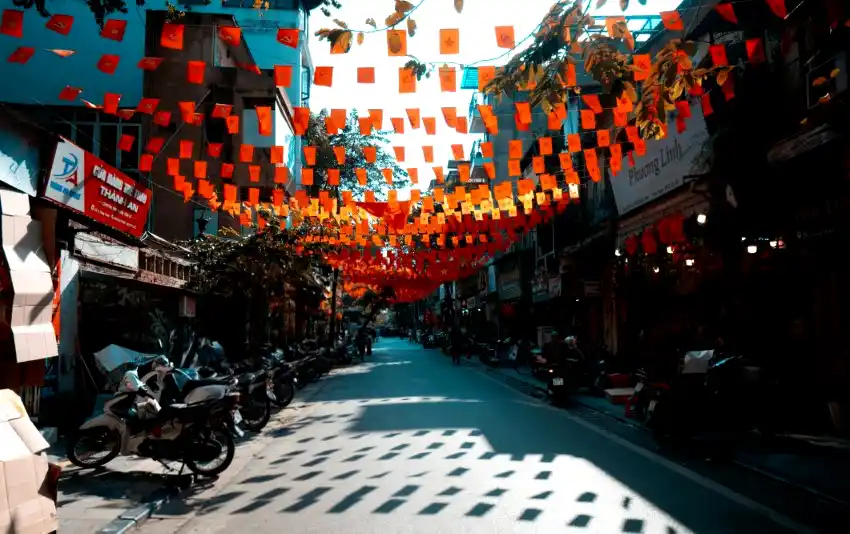
Start in Hanoi. Give yourself three full days in the Old Quarter to get your bearings over bowls of bun cha, slow mornings with egg coffee above Hoan Kiem Lake, and an evening at the legendary Bia Hoi corner. Browse the top things to do in Hanoi before you arrive so you know which neighbourhoods to prioritise, and sort where to stay in Hanoi through Agoda well ahead, particularly for Old Quarter properties that sell out fast.
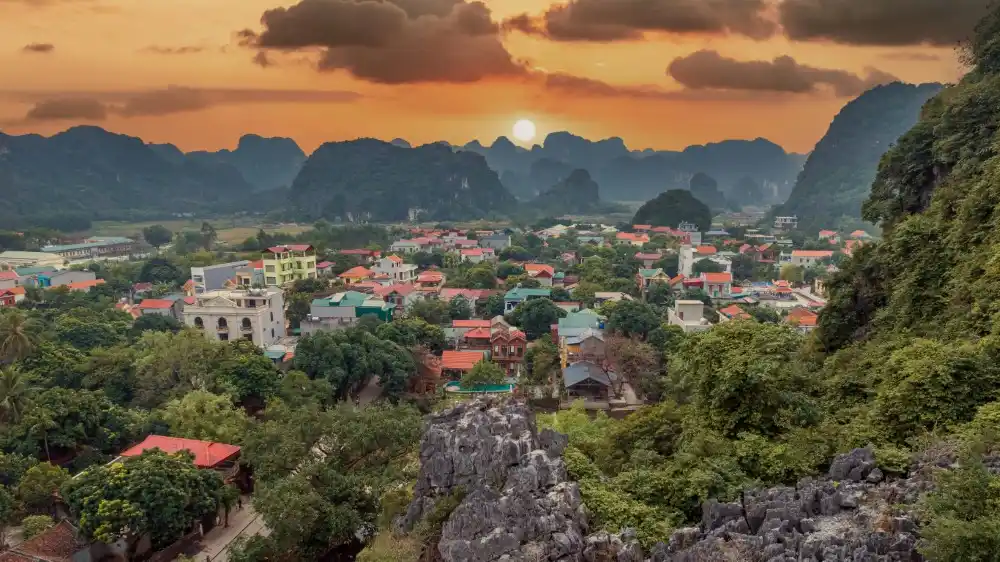
From the capital, take a limousine bus down to Ninh Binh for two nights in the Tam Coc valley. Wake early to paddle silently past limestone karsts on the Trang An waterways, then climb Mua Cave for the view that appears on every Vietnam bucket list. The Trang An boat tour guide covers everything you need to book it right, and where to stay in Ninh Binh has solid picks for the valley itself.
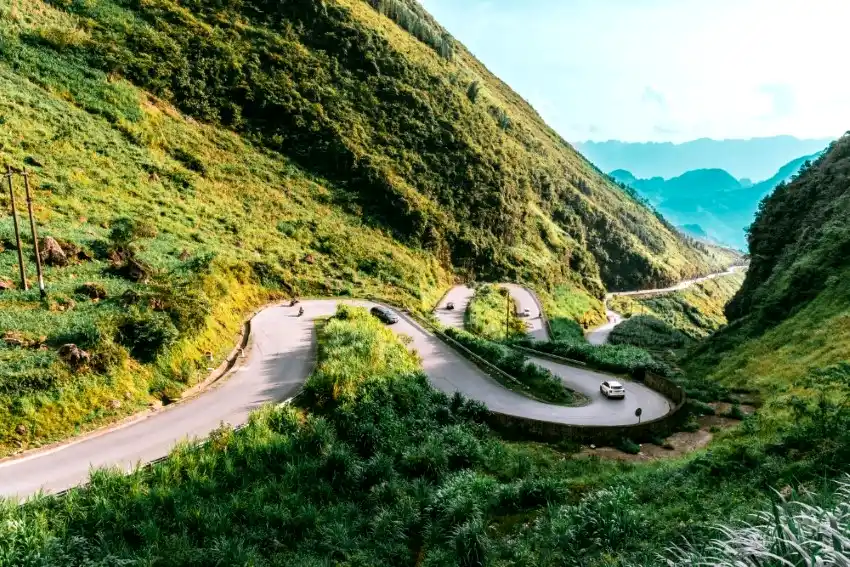
From there, head to Lan Ha Bay for a two-night cruise, a quieter and arguably more beautiful alternative to the famous main bay. Round out the northern leg with a few days up in the terraced rice fields of Sapa or the wild mountain loops of Ha Giang, depending on your pace and appetite for adventure. Book train tickets and bay cruises in advance through 12GO to lock in the best berths and cabin options before they sell out.
Days 11 to 20: The Central Coast
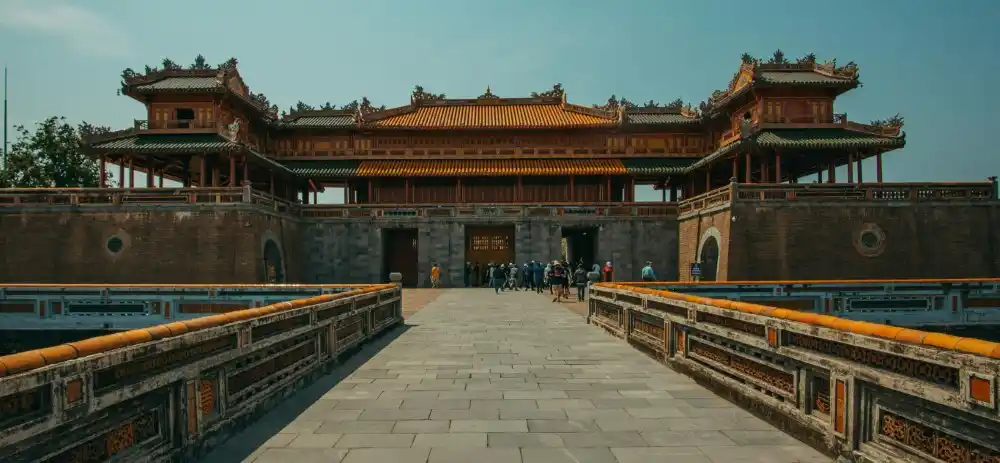
Board the Reunification Express south to Hue, the ancient imperial capital. Spend two days inside the vast stone walls of the Imperial Citadel and out along the Perfume River visiting the royal tombs scattered through the forested hills. The food here is some of the most underrated in the country: spicy, precise, and deeply regional. Sort your Hue accommodation on the south bank of the river for the easiest access to both the citadel and the evening food stalls.
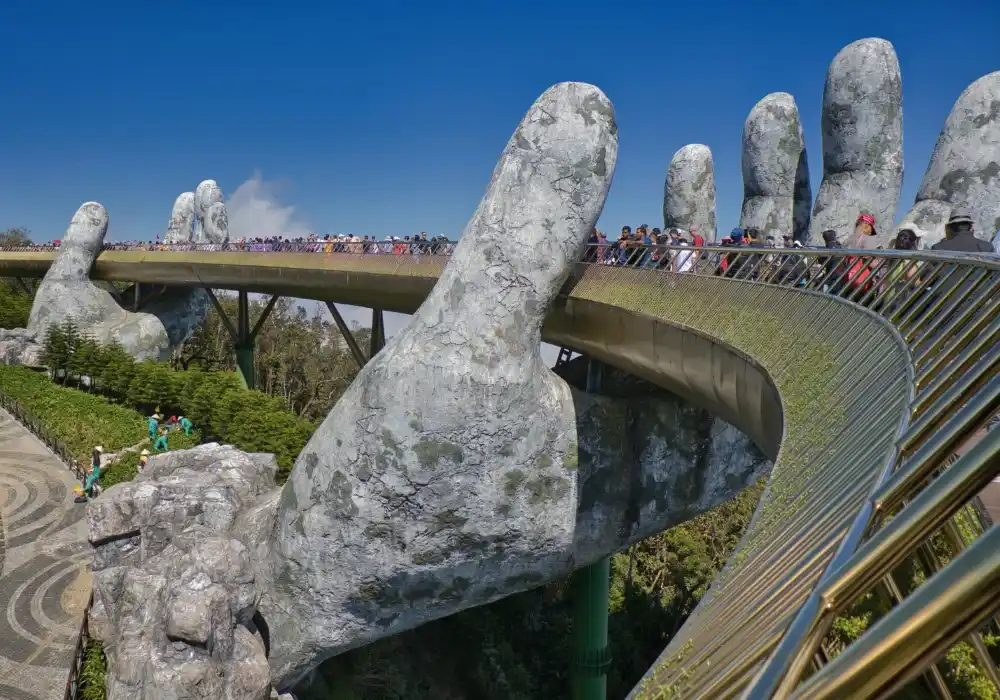
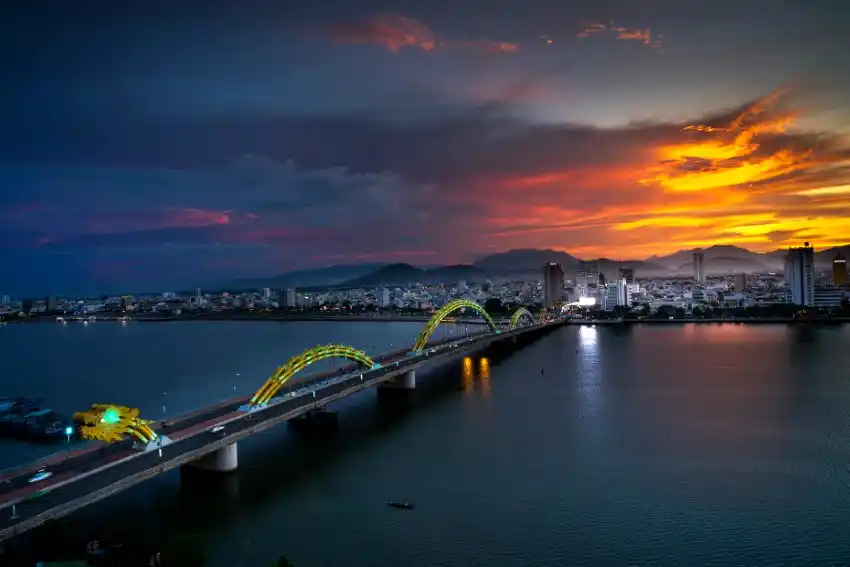
Cross the legendary Hai Van Pass into Da Nang, a modern, beach-lined city with the Marble Mountains and the iconic Dragon Bridge at its heart. Check the Da Nang neighbourhood guide to decide whether you want the beach strip or the city centre, then it is a short and easy hop south to Hoi An, the undisputed highlight of the central coast.
Dedicate at least four days here: wander the yellow-walled merchant quarter at golden hour, get something tailored along Tran Phu Street, and cycle through the vegetable gardens of Tra Que village. At night, the lantern-lit riverside comes alive and earns every photograph. Where to stay in Hoi An is worth reading before you book, since the Ancient Town, An Bang beach, and the quieter resort strip all offer very different vibes. Guided cycling tours, cooking classes, and boat trips can be browsed and booked through Klook or Get Your Guide.
Days 21 to 30: The South
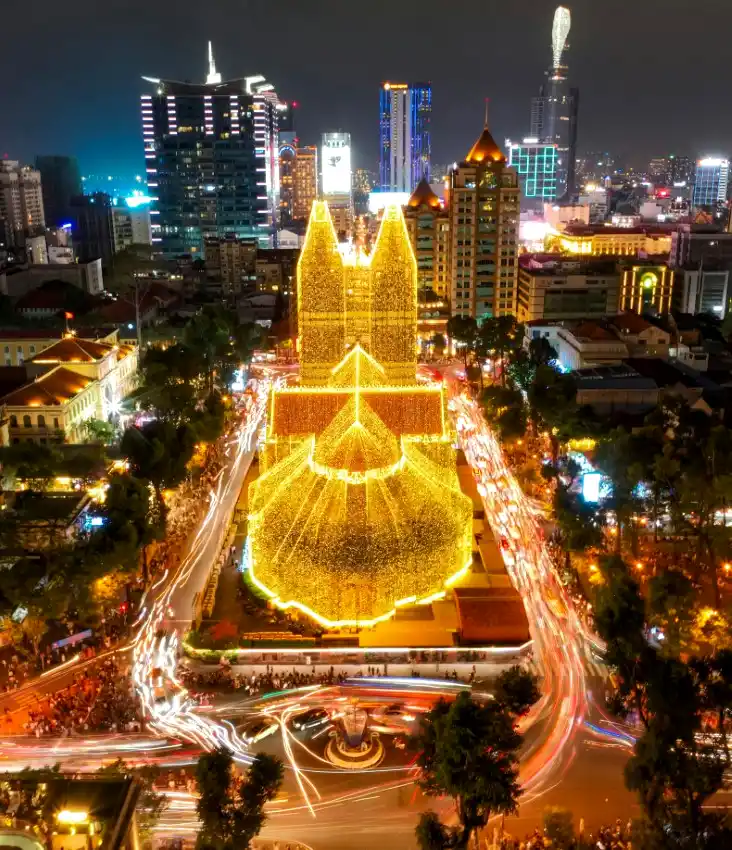
Fly or take the overnight sleeper train south into Ho Chi Minh City. Give the former Saigon four full days: the War Remnants Museum and Independence Palace for history, District 1 for rooftop bars and excellent coffee, and the street food lanes of District 4 for the most honest eating in the city. The pace here is electric and utterly addictive. Read up on where to stay in Ho Chi Minh City before you book, as the right district makes an enormous difference to how you experience the place.
Take a day trip into the Mekong Delta from Can Tho or Ben Tre to witness the early morning floating markets and wander through fruit orchards that supply the entire country. There is a solid collection of Ho Chi Minh City day trips bookable through Get Your Guide that take the logistics off your plate entirely. Then fly out to Phu Quoc Island for the final stretch.
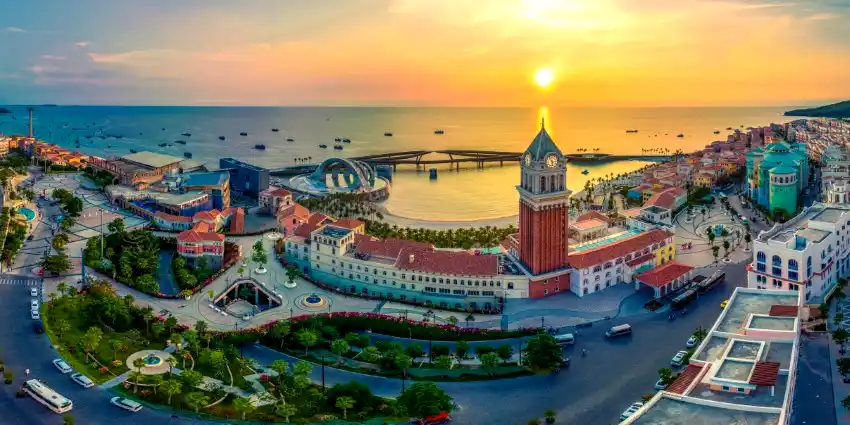
The white-sand beaches, clear water, and unhurried pace make Phu Quoc the perfect way to close out a big month. Snorkel the coral gardens of the An Thoi archipelago, catch sunset at Dinh Cau Rock, and eat extraordinarily fresh seafood at the night market. Where to stay in Phu Quoc covers everything from backpacker guesthouses on Long Beach to the ultra-luxury resorts on the north coast. Domestic flights across Vietnam book quickly during school holidays and long weekends, so search early on 12GO or directly with Vietjet and Vietnam Airlines to save both money and stress.
Getting Around Vietnam
Vietnam is long and narrow, which means transport logistics matter. The good news is that the country is extremely well connected, with options to suit every budget and preference. The full how to get around Vietnam guide is worth bookmarking before you start planning legs.
Getting Around Cities
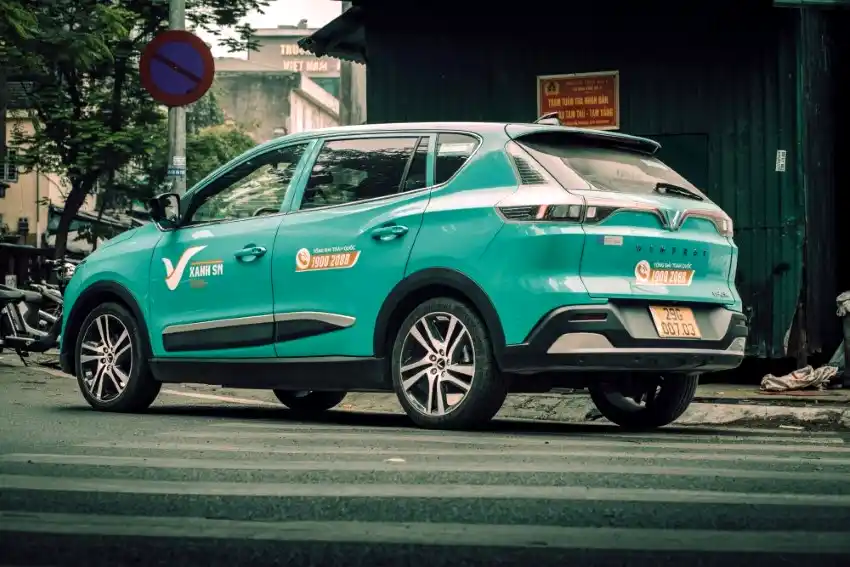
For day-to-day urban movement, download the Grab, Xanh SM, or Be apps before you arrive. These ride-hailing platforms display fixed pricing upfront, meaning no meter arguments or inflated tourist fares. Want to know the real difference between the two biggest players? The Grab vs Xanh SM comparison breaks it down clearly. Xanh SM’s electric taxis are particularly comfortable for families or longer cross-city journeys.
When walking and crossing roads, move at a slow and steady pace. Motorbike riders are expert at reading pedestrian movement and will steer around you, but sudden stops and erratic dashes are what cause accidents.
Long-Distance Travel
For journeys between major cities, three options cover most needs. Domestic flights on Vietnam Airlines, Vietjet, or Bamboo Airways are quick and often surprisingly affordable when booked a few weeks ahead. The Reunification Express train is the classic choice for scenery lovers: the Hai Van Pass section between Da Nang and Hue is one of the most beautiful rail journeys in Asia. If you want the full picture on every possible route and operator, the Vietnam train guide is the most thorough starting point.
Sleeper buses are the most popular choice for medium-distance routes like Hanoi to Ninh Binh, offering reclining seats, USB charging, and door-to-door convenience. Compare and book all three transport types through 12GO for a clear side-by-side view of times and prices. If you are flying into or out of major airports, a pre-booked private transfer through Welcome Pickups removes the stress of navigating taxis at arrivals and ensures a driver is waiting with your name on a sign.
Pro Tips For Stress-Free Travel
Sort these before you travel and the logistics take care of themselves. Genuinely, the travellers who have the smoothest trips are not the most experienced, they are the ones who did five minutes of prep on the right things.
- eSIM and Data: Grab a Yesim eSIM before departure and activate it on the plane. You will have maps, Grab, and Google Translate working from the moment you land. Airalo is a good backup option if Yesim is not available for your device or country.
- VPN: Vietnam has fast, cheap Wi-Fi everywhere, but always connect through NordVPN on public networks at cafes, coworking spaces, and hotels. Takes thirty seconds to set up and is not worth skipping.
- Travel Insurance: Get a SafetyWing policy before you fly. It covers medical costs, emergency evacuation, and trip interruption at a price that genuinely makes sense for long-term travel.
- Accommodation: Agoda has the deepest inventory in Vietnam across all price points, especially in smaller towns where Booking.com can be thin. Booking.com is the better pick when free cancellation is your priority.


Forget the daily data limits of standard tourist SIMs.
Get a Yesim eSIM for unlimited 5G data from ~$10.
Work, stream, and be connected the second you land.
- Activities and Tours: Klook and Get Your Guide both have strong Vietnam coverage for cooking classes, Ha Long Bay cruises, and adventure activities with instant confirmation. Compare both for popular tours since pricing occasionally differs.
- Transport: 12GO is the single best place to compare trains, buses, and ferries across Vietnam in one search. Book the Hanoi to Ninh Binh limousine van and overnight sleeper berths here.
- Airport Transfers: Welcome Pickups has fixed-price private transfers from every major Vietnamese airport. Your driver waits for you at arrivals, which is worth every penny when you land exhausted after a long-haul flight.
- Flight Delays: If a connection goes sideways on the way to or from Vietnam, AirHelp handles the compensation claim for you. Flag it with them immediately rather than chasing the airline yourself.
A few final practical things to sort before departure. None of these take long, and all of them make a noticeable difference on the ground. Check the Vietnam travel tips page for a broader list of things first-timers consistently wish they had known.
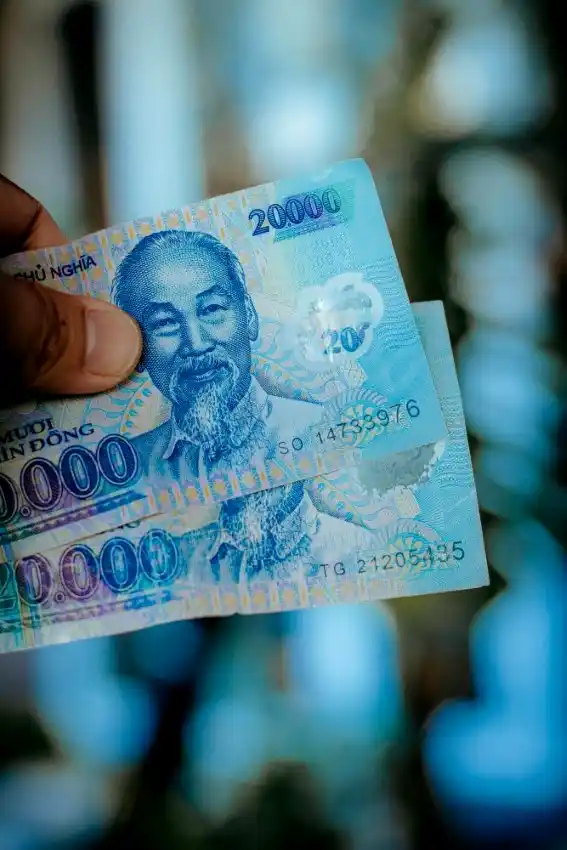
- Cash: The Vietnamese Dong (VND) is cash-dominant. Keep smaller notes on hand: 20,000, 50,000, and 100,000 VND are ideal for street vendors, as 500,000 VND notes are difficult to break at small stalls. The polymer notes can stick together, so always count carefully.
- Visa: Most visitors need the 90-day e-visa. Apply through the official portal well ahead of travel. The Vietnam e-visa guide walks through the exact steps so there are no surprises.
- What to Pack: One month across three climate zones requires a little thought. The Vietnam packing list is the most comprehensive starting point, and if you are serious about travelling light, the 7kg carry-on challenge will change the way you think about luggage entirely.
- Travel Insurance: Sort a SafetyWing policy before you fly. Medical treatment is affordable in Vietnam but evacuation costs are not, and a month is long enough for something to go wrong.
Cultural Customs Worth Knowing
Vietnamese culture is warm, generous, and community-focused. Visitors who make even a small effort to respect local customs are almost always rewarded with extraordinary hospitality in return. The Vietnamese culture and etiquette guide goes deeper on all of this if you want to feel genuinely prepared before you land.
At Temples and Pagodas
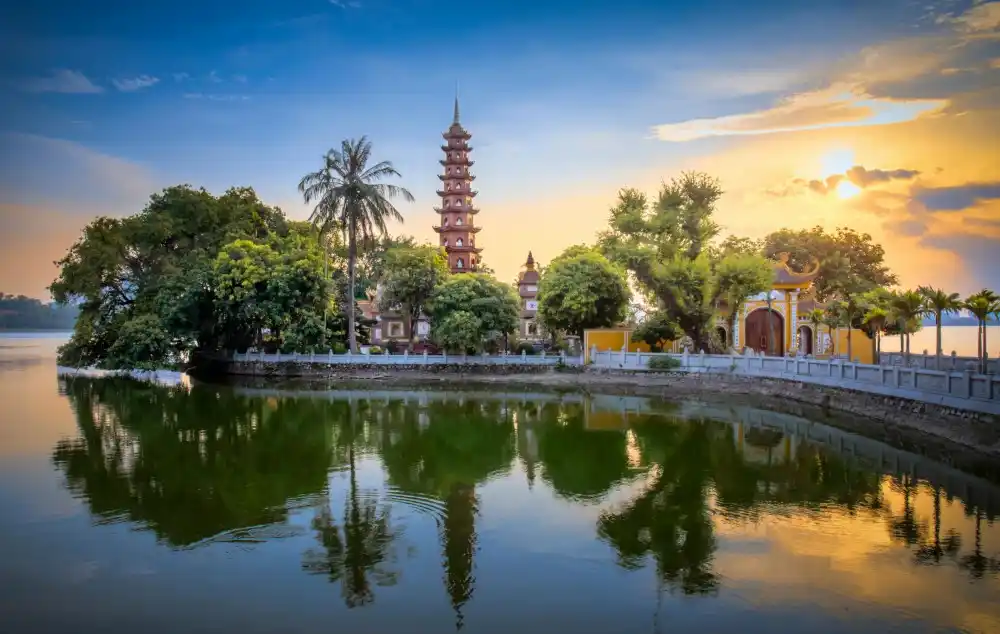
Cover your shoulders and knees before entering any religious site, from the grand Tran Quoc Pagoda in Hanoi to the smaller village shrines you will encounter on rural cycles. Remove your shoes at the entrance of the main hall, take off hats and sunglasses, and avoid pointing your feet directly at altars or Buddha statues. Photography is usually fine in outer courtyards but switch to silent mode and ask if you are unsure inside the main prayer rooms. The temples and pagodas guide covers the most important sites across the country and exactly what to expect at each one.
Eating and Tipping
Sharing dishes is the default at Vietnamese tables. Use the clean end of your chopsticks or the serving spoon to transfer food to your own bowl, rather than eating directly from communal plates. Tipping is not a traditional expectation at street food stalls or local pho shops, where rounding up the change is a perfectly appreciated gesture. At tour operations, spa venues, and westernised restaurants, however, a tip of around 10% is valued and makes a real difference to the staff who work there.
Vietnam’s coffee culture is a world unto itself and worth slowing down for. Whether you are nursing a phin-filter drip on a plastic stool in Hanoi or sipping a coconut cold brew in Hoi An, budget an extra half hour every morning just for coffee.


Check the latest hotel prices across Vietnams’s best
neighborhoods. From the bustling Old Quarter
and elegant French Quarter to scenic West
Lake. Compare your options and secure the
best deals before you book.
Vietnam for Long-Term Travellers and Expats
Vietnam has become one of Asia’s most popular bases for digital nomads and long-term travellers, and it is easy to understand why. The 90-day e-visa gives you a genuinely generous window to settle in properly. Coastal hubs like Da Nang and the An Bang beach neighbourhood near Hoi An have well-developed coworking scenes with fast, reliable internet. The Vietnam digital nomad guide covers the best bases, visa strategies, and co-working spaces across the country.
Monthly apartment rentals are accessible in every major city and even in smaller beach towns. The renting apartments in Vietnam guide is the most practical starting point for understanding what to expect and what to avoid. For expat families, international schools, established medical facilities, and a large and welcoming expat community make the transition considerably easier than in many other Southeast Asian countries. Those relocating with pets should read the moving pets to Vietnam guide early, as health certificates and rabies titre tests have strict timelines that cannot be rushed.
Staying connected is effortless. Pick up an eSIM through Yesim before you even land and activate it the moment you step off the plane. Airalo is a solid alternative if Yesim does not cover your home country. For those working remotely, a local Viettel SIM gives you strong 4G coverage across the country. Always run NordVPN on public Wi-Fi at cafes and coworking spaces to keep your data secure.
A Note for First-Timers and Nervous Travellers
Vietnam ranks as one of the safest countries in Southeast Asia for solo travellers, couples, and families. Violent crime directed at tourists is rare. The concerns that do exist are manageable with a little awareness. For a full honest breakdown of risks, scams, and how to handle them, the Vietnam safety guide covers everything plainly.
Street Awareness
Bag snatching from passing motorbikes does happen in busy areas of Ho Chi Minh City and Hanoi. Keep your phone out of sight when standing on the kerb, carry your backpack on both shoulders rather than loosely on one side, and avoid carrying large amounts of cash in an obvious wallet. A small crossbody bag worn across the chest is a practical solution for busy market areas.
Food and Water
Street food stalls with a constant queue of locals are almost always safe and often serve the freshest food in the city. Prioritise stalls where everything is cooked at high heat in front of you. Tap water is not safe to drink; bottled water costs around 5,000 VND ($0.20 USD) at any convenience store. Ice in urban cafes is generally made from factory-purified blocks and is safe to use in drinks. If you are nervous about pharmacy basics, the Vietnam pharmacy guide is genuinely useful reading before you pack.
If your travel plans include multiple countries or any flights, AirHelp is worth having on your side should disruptions, delays, or cancellations arise. And before you leave home, sort a SafetyWing travel insurance policy. One bout of food poisoning or a scooter spill in a country you are not covered in will cost far more than any premium.

Frequently Asked Questions
Is one month in Vietnam too long?
Not at all. One month is the ideal duration to see Vietnam without racing through it. You can give proper time to each of the three regions, include multi-day stops in slower-paced places like Ninh Binh, and still have a few easy days built in for doing absolutely nothing. Most people who spend a month here leave wishing they had stayed longer.
How much money do I need for one month in Vietnam?
A mid-range traveller should budget around 37,500,000 to 62,500,000 VND ($1,500 to $2,500 USD) for 30 days, excluding international flights. This comfortably covers boutique hotel rooms, domestic transport including one or two internal flights, guided day tours, and good daily dining. Backpackers can do it on considerably less; luxury travellers will want to budget considerably more.
What is the best time of year to visit Vietnam?
The shoulder seasons of March to April and September to November give you the most stable weather across all three regions. These months sit between the intense southern monsoon season and the cool, damp winter that settles over the northern highlands. That said, Vietnam is a year-round destination and even the rainy season has its own quiet charm in places like Hoi An.
Do I need a visa for Vietnam?
Most international travellers need a visa. The standard option is the 90-day e-visa, applied for online through the official Vietnamese Immigration Department portal. Processing typically takes three to five working days, so apply well before your departure date. Citizens of a small number of countries qualify for visa-free entry; check the official portal for the current list as it is updated periodically.
Is Vietnam safe for solo travellers?
Yes. Vietnam consistently ranks among the safest destinations in Southeast Asia for solo travel, including for solo women. The main things to watch for are petty theft in crowded urban areas and road traffic awareness. Violent crime against tourists is rare. Using ride-hailing apps rather than unmarked taxis and keeping valuables close in busy markets covers most of the bases.
What is the best way to get from Hanoi to Ho Chi Minh City?
For most travellers, flying is the most practical option: the journey takes around two hours and tickets are often very affordable when booked a few weeks in advance on Vietjet, Vietnam Airlines, or Bamboo Airways. If you have the time, the overnight sleeper train is a rewarding experience and lets you wake up in a new city without losing a full travel day. Buses are the slowest option but also the cheapest for those on a very tight budget.
Can I use a credit card in Vietnam?
In cities and tourist areas, credit cards are accepted at hotels, larger restaurants, and many shops. However, cash remains essential for street food, local markets, small guesthouses, motorbike taxis, and anything outside the main tourist zones. Always carry Vietnamese Dong in smaller denominations. ATMs are widely available in cities and most towns.
Is Vietnam a good destination for families with children?
Absolutely. Vietnamese people adore children and families are welcomed warmly everywhere. The country offers a huge range of family-friendly experiences, from cooking classes and lantern-making workshops in Hoi An to boat trips in Ha Long Bay and beach days on Phu Quoc. Stick to fully cooked food served hot, keep sunscreen and insect repellent topped up, and the whole family will have a wonderful time.
How do I get a SIM card or eSIM for Vietnam?
The easiest option is to buy a Yesim eSIM before you travel so you have data the moment you land. Airalo is a solid alternative if Yesim does not support your device. Physical SIM cards from local networks like Viettel and Vietnamobile are also available at all major airports, typically around 100,000 to 200,000 VND ($4 to $8 USD) for a month of generous data. Both options deliver reliable 4G coverage across cities and most tourist areas.
Can I extend my Vietnam e-visa if I want to stay longer than 90 days?
Yes, Vietnam e-visa extensions are possible in some circumstances and the rules have evolved in recent years. The safest approach is to apply for a fresh e-visa rather than relying on an extension, as processing times and approval rates can be unpredictable. The Vietnam visa extensions guide covers the current options and process in detail. If you are planning a longer stay, the long-term visas guide is also worth reading before you commit to a route.