
Da Nang vs Hoi An: Which One Is Right for You?
Central Vietnam gives you a genuinely tricky choice: a sweeping coastal city buzzing with bridges, beaches, and rooftop bars, or a glowing ancient port town where silk lanterns drift over the river and the streets smell of incense and fresh Cao Lau. They sit just thirty kilometres apart, yet feel like entirely different worlds. Here’s how to figure out which one deserves more of your time.
The Quick Summary:
- Primary Vibe: Da Nang is a progressive beach city with real urban energy. Hoi An is a slow, atmospheric heritage town built for wandering and eating well.
- Daily Budgets: Mid-range travelers spend around 1,250,000 VND ($50 USD) per day in Da Nang. Hoi An nudges slightly higher at 1,500,000 VND ($60 USD) thanks to boutique lodging and the sheer temptation of its restaurants.
- Getting There: Da Nang has the only international airport and main train station for the region. Hoi An has no airport or train stop, so everyone passes through Da Nang first.
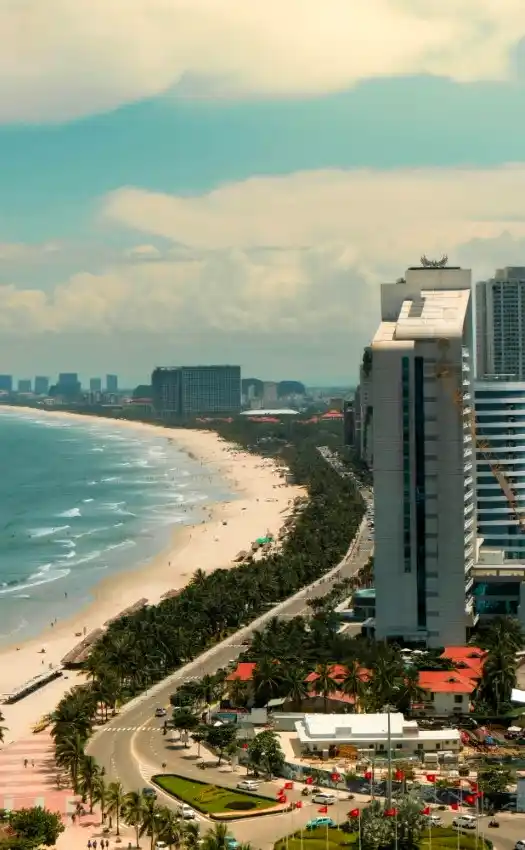
- Accommodation Styles: Da Nang leans into high-rise beachfront resorts and modern apartments along Vo Nguyen Giap street. Hoi An specialises in boutique villas, heritage homestays, and peaceful rural eco-retreats.

Lock in your Da Nang accommodation early
and beat peak-season price hikes.
Agoda’s filters let you compare options
side by side before you commit.
Da Nang vs Hoi An: Side by Side
Choosing between the two really comes down to one honest question: do you want to feel the energy of a modern Vietnamese city, or do you want to slow right down and lose yourself in something ancient? Da Nang suits active travelers, families, and digital nomads who want beaches, rooftop bars, and easy mountain roads. Hoi An is made for couples, food lovers, and anyone who packed a camera and genuinely intends to use it.
| Feature | Da Nang | Hoi An |
|---|---|---|
| Primary Attraction | My Khe Beach and Marble Mountains | Ancient Town and tailor shops |
| Pace of Life | Fast, modern, metropolitan | Slow, pedestrian-focused, relaxed |
| Average Mid-Range Hotel | 750,000 VND ($30 USD) per night | 1,000,000 VND ($40 USD) per night |
| Getting Around | Multi-lane roads, scooters, ride apps | Narrow streets, bicycles, walking |
| Best For | Digital nomads, families, beach lovers | Couples, food enthusiasts, photographers |
The Vibe in Da Nang:
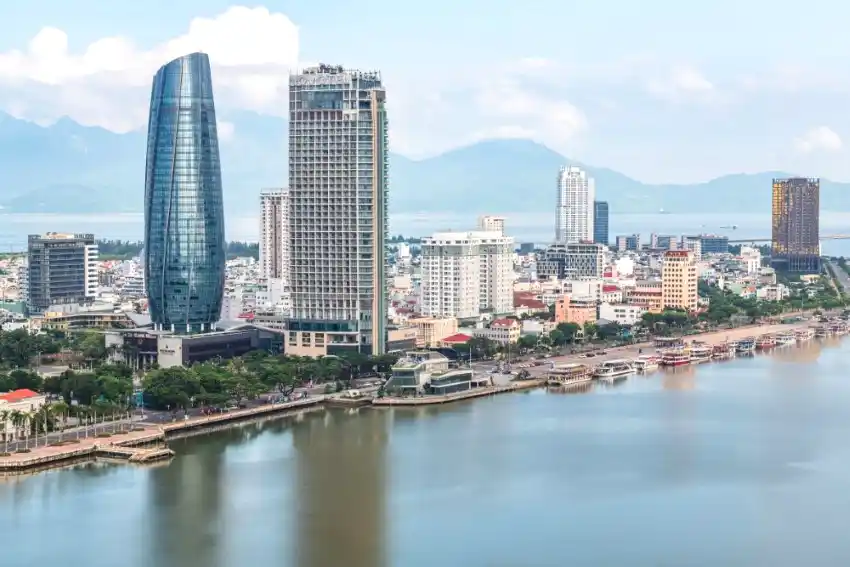
Da Nang is dynamic, forward-looking, and genuinely liveable. It has wide boulevards, clean air, and a beach that locals actually use every single morning. Without the intense congestion of Hanoi or Ho Chi Minh City, it feels like Vietnam with room to breathe. The city splits neatly into two sides: commercial downtown to the west of the Han River, and the tourist-friendly beach district to the east. The An Thuong neighbourhood has quietly become a magnet for expats and long-stay visitors, with surf cafes, craft beer, and some surprisingly good international food.

What to Do in Da Nang
The Marble Mountains sit on the city’s southern edge, a cluster of limestone peaks hiding caves, pagodas, and sweeping views over the coastline. Head north and the Son Tra Peninsula delivers steep jungle roads, wild Red-shanked Douc Langurs living in the canopy, and the Linh Ung Pagoda with its towering Lady Buddha statue overlooking the sea.
Evenings in Da Nang belong to the Dragon Bridge. Every Saturday and Sunday night at 9:00 PM, the steel dragon breathes real fire and water, drawing crowds to both riverbanks. For a proper local feed, skip the tourist night markets and head instead to Con Market or Han Market for a bowl of Mi Quang noodles at around 35,000 VND ($1.40 USD).
Looking for somewhere to stay in Da Nang? The map below covers options from budget guesthouses to beachfront luxury resorts.

From caves and cruises to cooking
classes, Klook covers Da Nang’s best
experiences. Hotel pickup is often
included and prices are usually lower.
The Vibe in Hoi An:
Hoi An is one of those rare places that genuinely lives up to the photos. The Ancient Town glows gold in the late afternoon, its mustard-yellow merchant houses and terracotta roofs carrying centuries of Japanese, Chinese, and French influence. Motorbikes are banned from the historic core during busy periods, leaving the streets to pedestrians, cyclos, and the occasional bicycle. As the sun goes down, thousands of silk lanterns light up along the Thu Bon River and the whole town transforms into something you’ll struggle to describe to people back home.
What to Do in Hoi An
The Ancient Town itself is the main event. The Japanese Covered Bridge and the Fujian Assembly Hall are the headline sites, and a consolidated entrance ticket at 120,000 VND ($4.80 USD) covers five historic buildings while directly supporting heritage preservation. Tailoring is a serious industry here: the shops along Tran Hung Dao street will turn out a custom suit or dress in as little as twenty-four hours, with fittings included.
Outside the town, the pace slows even further. Cycling through the Cam Thanh water coconut forest, visiting the organic vegetable farms at Tra Que village, or simply renting a bicycle and getting deliberately lost all make for memorable half-days. Beach days are well covered too: An Bang Beach sits four kilometres north of the old town with a relaxed, bohemian feel and some genuinely good seafood shacks right on the sand.

Searching for a place to stay in Hoi An? Browse everything from riverside boutique guesthouses to rural eco-resorts on the map below.
Getting Between Da Nang and Hoi An:

The good news: this is one of the easiest hops in Vietnam. The two cities are separated by a flat, direct coastal highway and the journey takes around forty-five minutes. Since Hoi An has no airport or train station, Da Nang is the gateway for everyone arriving by air or rail. From there, your options are straightforward.
Ride-Hailing Apps
Download Grab, Xanh SM, or Be before you travel. A one-way car between central Da Nang and Hoi An Ancient Town typically costs 350,000 to 450,000 VND ($14 to $18 USD), with zero haggling required. Xanh SM runs an all-electric fleet, which makes for a pleasantly quiet ride along the coast if that matters to you.
Shared Shuttles and Motorbikes
Local travel agencies and platforms like Klook or Get Your Guide run shared shuttle buses between hotels for around 120,000 VND ($4.80 USD) per seat. Solo travelers comfortable with highway traffic can grab a GrabBike for as little as 150,000 VND ($6 USD), though it’s worth knowing what you’re signing up for before jumping on the back of a motorbike on a national highway.

A friendly driver, a clean car, and a
flat fare to your Da Nang hotel.
Welcome Pickups handle the logistics
so your trip starts the right way.
Cultural Etiquette Worth Knowing:
Central Vietnamese culture values modesty, politeness, and genuine respect for tradition, especially inside religious spaces. When visiting Linh Ung Pagoda in Da Nang, or the historic assembly halls and family temples of Hoi An, covering shoulders and knees is expected rather than optional. Shoes come off before entering inner sanctuaries, temples, and private homes, so slip-ons make life considerably easier.
Good to Know: In Hoi An’s Ancient Town, a single consolidated ticket at 120,000 VND ($4.80 USD) covers five separate heritage sites. Buy it from the official booths before you start walking, and hold onto it; inspectors check at the door of each building.
Bargaining is expected for clothing, souvenirs, and handicrafts throughout the region. Start around 30% below the asking price, keep it light and good-humoured, and never push for discounts on food. Street food prices are fixed, and trying to haggle at a food stall is genuinely awkward for everyone involved. Tipping is not a Vietnamese custom at small vendors, though rounding up or leaving small change is always appreciated.
Pro Tips For Stress-Free Travel:

- Ride-Hailing Apps: Get Grab, Xanh SM, or Be set up on your phone before you land. Transparent pricing, no meter arguments, and you can track your driver in real time.
- Cash is King: Street vendors and market stalls run almost entirely on physical Vietnamese Dong (VND). Keep smaller bills on you, specifically 20,000, 50,000, and 100,000 VND notes. A 500,000 VND note is hard for a small stall to break.
- Connectivity: Pick up a local eSIM via Yesim or grab a physical SIM at the airport on arrival. Pair it with a VPN like NordVPN if you plan to log into anything sensitive over public Wi-Fi.
- Do Both: The honest advice? Base yourself in Hoi An for the atmosphere and do a day trip into Da Nang, or base in Da Nang for the convenience and spend a full day and evening in Hoi An. The road between them is half the fun.

Forget swapping physical SIMs in Da Nang.
Yesim’s eSIM works on most newer phones,
activates remotely, and keeps your home
number reachable for WhatsApp too.
Frequently Asked Questions:
Is Da Nang or Hoi An better for first-time visitors to Vietnam?
Both are genuinely great starting points for Central Vietnam, but they suit different travel styles. If you want beaches, modern infrastructure, and easy city life, Da Nang is the better base. If you want atmosphere, history, lantern-lit evenings, and incredible food in a walkable setting, start in Hoi An. Many travelers split their time between the two since the journey between them takes less than an hour.
How long should I spend in each place?
A minimum of two nights in each gives you a real feel for both. Three to four nights in Hoi An is ideal if you plan to have something tailored, explore the surrounding villages, or simply want to slow down and enjoy the town properly. Da Nang works well as a two-to-three night stay with day trips to the Marble Mountains and Son Tra Peninsula.
Which destination is better for families with children?
Da Nang has the edge for families. The beaches are wide and well-serviced, the roads are easier to navigate with luggage and young children, and modern amenities like international supermarkets and hospitals are close by. Hoi An is wonderful with kids who enjoy exploring and cycling, though the Ancient Town’s narrow streets and tourist crowds can be a lot for very young children during peak hours.
Is Hoi An worth visiting even though it is very touristy?
Absolutely yes. The Ancient Town is genuinely beautiful and unlike anywhere else in Southeast Asia. The commercial side of it is obvious but it does not take away from the atmosphere, especially in the early morning before the tour groups arrive or in the evening when the lanterns are lit. Getting out to An Bang Beach, Tra Que village, or the coconut forest shows a quieter, more local side of the area.
Can I get a suit or dress made in Hoi An and is it worth it?
Yes, and for many visitors it is one of the highlights of the trip. The tailor shops on and around Tran Hung Dao street are well-practised with international customers. Prices vary widely depending on fabric and complexity, but a well-made custom suit typically starts from around 2,500,000 VND ($100 USD). Allow at least two to three days for fittings and adjustments, and do not rush it. Read reviews before choosing a shop.
What is the cheapest way to get from Da Nang to Hoi An?
A shared shuttle bus booked through a local travel agent or platforms like Klook costs around 120,000 VND ($4.80 USD) per seat and picks up from most central hotels. A GrabBike is cheaper still at around 150,000 VND ($6 USD) but is only practical for solo travelers with minimal luggage who are comfortable on the back of a motorbike on a main highway.
Is it safe to rent a motorbike and drive between the two cities?
The road itself is flat and straightforward, but Vietnamese highway traffic is fast and unpredictable for those unused to it. Experienced riders who have already ridden in Vietnamese cities will manage fine. If you are new to riding in Vietnam, the shared shuttle or a ride-hailing car is a much more relaxed option. An International Driving Permit is technically required for motorbikes above 50cc.
When is the best time of year to visit Central Vietnam?
February through April is the sweet spot. Skies are clear, temperatures sit comfortably between 24 and 30 degrees Celsius, and the sea is calm. The Central Vietnamese rainy season runs from October through December, with October and November bringing the heaviest rainfall and occasional flooding around Hoi An’s low-lying streets. July and August are hot and busy with domestic tourists during Vietnamese school holidays.
Where should expats or long-stay visitors base themselves?
Da Nang is the clearer choice for long-term stays. It has a well-established expat community centred around the An Thuong and My Khe areas, with international schools, modern hospitals, co-working spaces, and good supermarkets. Monthly rent for a furnished one-bedroom apartment near the beach starts from around 8,000,000 VND ($320 USD). Hoi An attracts remote workers and creatives who prefer a quieter lifestyle, with a smaller but very sociable international community.
Do I need to book accommodation far in advance?
During peak season from January to April and over Tet (Vietnamese Lunar New Year, usually late January or early February), booking several weeks ahead is strongly recommended, especially in Hoi An where the best boutique guesthouses fill up fast. Outside of peak periods Da Nang has plenty of availability, though popular beachfront properties still book out on weekends. Tet is the one period where last-minute planning genuinely causes problems across the entire region.