
How To Get Around Hanoi
Hanoi moves to its own rhythm. Millions of motorbikes weave between ancient shop-houses, street vendors balance baskets from bamboo poles, and the scent of pho drifts from every corner. Getting around this city is not just a logistical task, it is one of the highlights of being here. Whether you are backpacking on a shoestring, exploring with the family, or settling in as an expat, this guide has you covered.
The Quick Summary:
- Best All-Round Option: Ride-hailing apps like Xanh SM, Grab, and Be. Fixed pricing, no negotiation, no language barrier. Check out our full Grab vs Xanh SM comparison to pick your favourite.
- Budget: Public buses cost just 7,000 to 9,000 VND ($0.28 to $0.36 USD). A short motorbike taxi via app runs 25,000 to 60,000 VND ($1.00 to $2.40 USD). More on stretching your dong in the budget travel guide.
- Walking: Wonderful inside Hoan Kiem district. Everywhere else, expect footpaths shared with motorbikes, food stalls, and parked scooters.
- Essential Prep: Get a local SIM or eSIM at the airport. You need data to use transport apps, maps, and translation tools. Our Vietnam SIM and internet guide covers everything.

Skip the bus-station haggling on your
way to Hanoi. Book online with 12Go,
get an e-ticket, and show it on arrival.
Refunds available on most routes.
How Do You Get Around Hanoi?
Hanoi offers a surprisingly wide range of transport choices. From ultra-cheap buses to electric taxis, there is something to suit every pace and budget. Here is a quick snapshot before we dive into the detail. For a broader look at moving between cities, see how to get around Vietnam as a whole.
| Transport Type | Average Cost (VND / USD) | Best For |
|---|---|---|
| Xanh SM / Grab Motorbike | 25,000 to 60,000 VND ($1.00 to $2.40 USD) | Quick point-to-point trips through traffic |
| Xanh SM / Grab Car | 80,000 to 200,000 VND ($3.30 to $8.20 USD) | Families, luggage, wet weather comfort |
| Public Electric Bus | 7,000 to 9,000 VND ($0.28 to $0.36 USD) | Cross-city travel and airport runs on a budget |
| Metered Taxi (Mai Linh) | From 15,000 VND ($0.60 USD) flag drop | Rainy days, groups with bags |
| Metro (Cat Linh to Ha Dong) | 8,000 to 15,000 VND ($0.32 to $0.60 USD) | Southwest commuter districts, clean and cool |
| Cyclo | Negotiate before you board | Leisurely Old Quarter photography tours |
One thing worth flagging: understanding Vietnamese Dong before you arrive makes paying for everything far less stressful. Those 500,000 VND notes are not as large as they sound.
Your Transport Options in Detail:
Ride-Hailing Apps: The Local Way
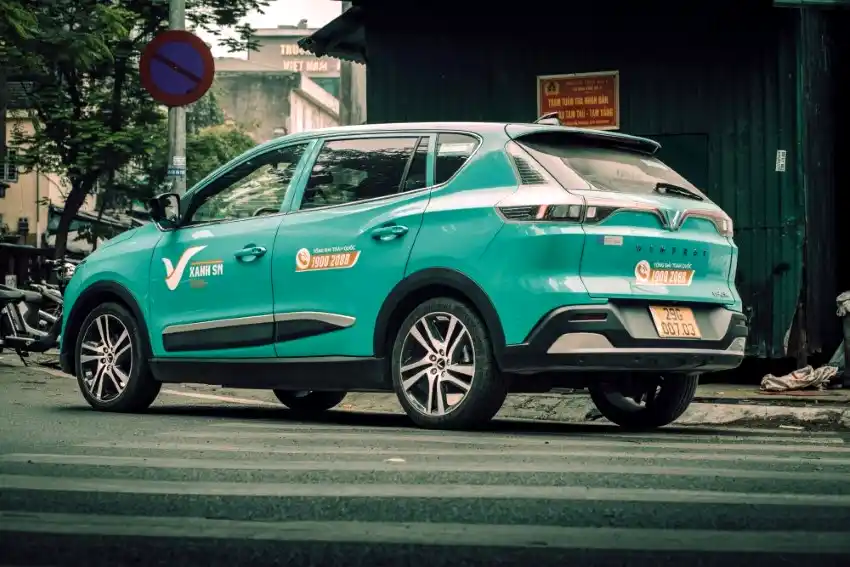
This is how most Hanoians get around, and it will quickly become your go-to method too. Xanh SM runs a fleet of bright cyan, fully electric vehicles, both cars and motorbikes, making it the quietest and most eco-conscious option on the road. Grab and Be cover the whole city with plenty of drivers and competitive fares. Not sure which to go with? Our head-to-head Grab vs Xanh SM guide breaks it all down.
The real beauty of these apps is the upfront pricing. The fare is locked in before you get in. No arguing over meters, no language confusion at the end of the journey. Pay by card or cash in Vietnamese Dong. Download all three before you land so you always have a backup.
Metered Taxis: Still Useful
When a sudden monsoon downpour hits and app prices surge, a street-hailed taxi becomes your best friend. Stick to two trusted names: Mai Linh (green cars) and Taxi Group (white cars with red stripes). Always make sure the driver starts the meter the moment you pull away.
Avoid any driver who approaches you outside the airport, the Hanoi Opera House, or big tourist hotels without a branded vehicle. Independent touts with altered meters are still around. The extra few minutes waiting for a reputable cab is worth it every time. For more on staying sharp out there, our Vietnam safety guide covers common scams and how to sidestep them.

Public Buses: Brilliant Value
Hanoi’s public bus network is one of the best-value ways to cross the city. The bright orange and blue buses cover nearly every major road, and the fleet is increasingly electric.
Bus 86 is a traveller favourite, running directly from Noi Bai International Airport all the way to Hoan Kiem Lake for just 45,000 VND ($1.80 USD) per person. That is a significant saving over a taxi for a solo traveller or a couple.
Download the BusMap app to see live routes, stops, and arrival times. Pay cash to the conductor when you board, and keep small bills handy as they rarely carry change for large notes. If you are heading out of the city for a day trip to Ninh Binh or beyond, you will want a different set of transport options entirely.
The Metro: Modern Hanoi
The Cat Linh to Ha Dong metro line gives you a clean, air-conditioned, stress-free alternative for reaching the southwest commuter districts. It is not the most tourist-facing route right now, but it is spotlessly maintained and a genuinely pleasant way to travel.
Additional lines connecting the central railway station are currently being tested, so expect the network to expand and become more useful for visitors over the coming years. Tickets are bought at station kiosks with cash.

Renting a Motorbike: Freedom With a Side of Chaos
If you want to explore Hanoi on your own two wheels, it is possible, but eyes open. You will need a valid International Driving Permit that covers the engine class you are renting.
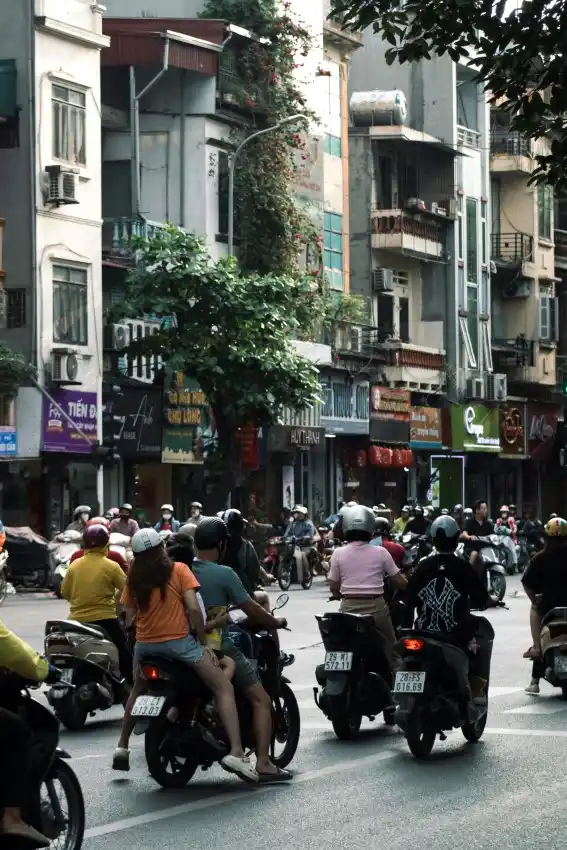
The traffic in the Old Quarter is dense, the rules are loose, and the first hour on the road will test your nerves. That said, once you get the feel for it, riding is one of the most immersive ways to see the city. Our full guide to renting motorbikes in Vietnam covers what to look for in a rental, insurance, and how to avoid the tourist traps.
If you want the thrill without the stress of going solo, a guided motorbike food tour through the Old Quarter via Get Your Guide or Klook is genuinely one of the best things you can do in Hanoi. You follow a local guide who knows every shortcut and every bowl of bun cha worth stopping for.
Cyclos: Slow Down and Enjoy It
Cyclos are the three-wheeled pedal-powered rickshaws that have been part of Hanoi’s streetscape for over a century. They are slow, relaxed, and wonderful for a photography loop around the Old Quarter and Hoan Kiem Lake. They are not built for cross-city speed, but that is not the point.
Always agree on the total fare for the complete trip before you sit down. This avoids any misunderstanding at the destination. If your driver drops you near a temple or pagoda, cover your shoulders and knees before stepping onto the grounds. Our guide to Vietnamese culture and etiquette has a full rundown on what to expect.


Land in Hanoi stress-free with a
pre-booked English-speaking driver.
Welcome Pickups offer fixed-price
transfers with flight tracking included.
Walking Around Hanoi:

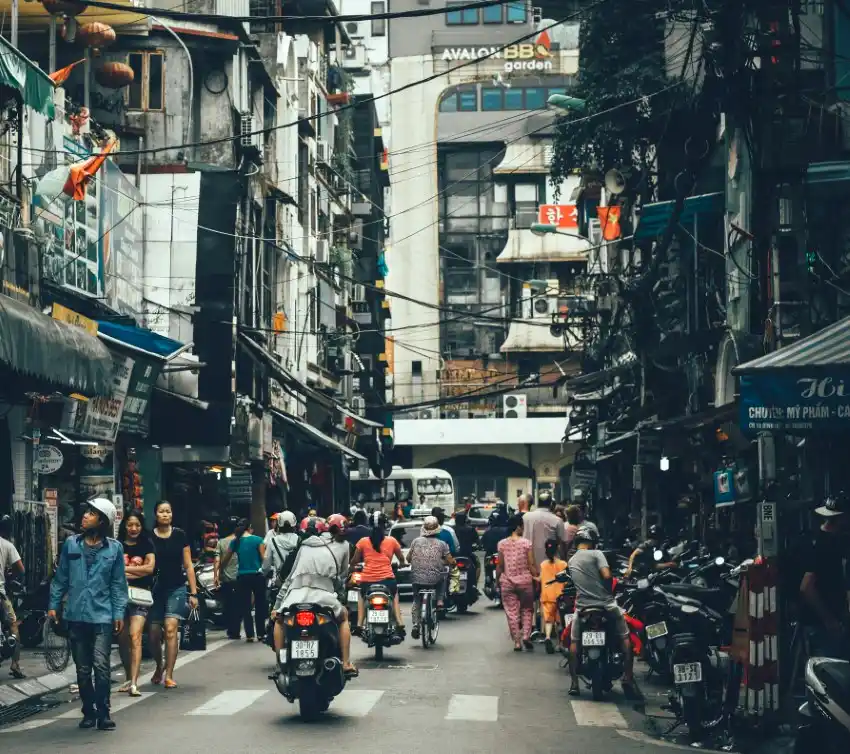
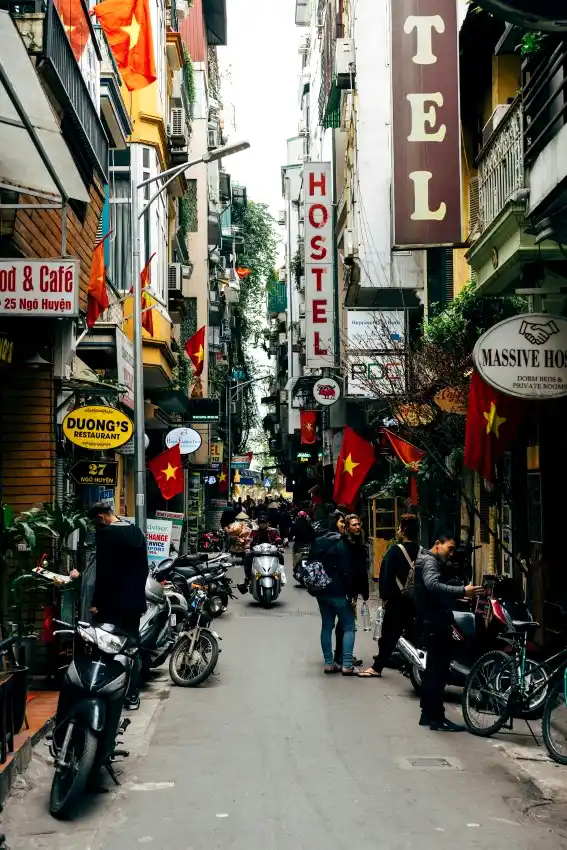
Walking through Hoan Kiem district is one of the most enjoyable things you can do in Hanoi. The streets around the lake, the Old Quarter’s 36 trading streets, and the area around St Joseph’s Cathedral are all wonderful on foot. Allow yourself to wander without a strict agenda and you will stumble onto things no guidebook has listed, including a few of the best spots in our Hanoi street food guide.
Outside the central district, footpaths double as parking lots, outdoor restaurants, and market stalls, so you will frequently need to step onto the road. This is completely normal and nobody bats an eye. On Friday and Saturday nights, the area around Hanoi’s night market pedestrianises completely and the whole Old Quarter becomes one big, gloriously chaotic walkway.
Crossing the Street: This looks terrifying the first time. The secret is to move at a slow, steady, and predictable pace. Step off the curb during a slight gap, keep walking at the same speed, and make eye contact with riders as you go. Do not stop suddenly, do not run, and do not freeze. Motorbike riders read your trajectory and steer around you. If it still feels too much, simply wait for a local and walk alongside them.
For everything worth seeing once you are on foot, check out things to do in Hanoi so you can plan a decent loop rather than wandering aimlessly (though honestly, wandering aimlessly here is underrated too).

From boutique guesthouses to five-star
resorts, Agoda has Hanoi’s best stays
covered. Strong Asia inventory means
deeper discounts than you’d expect.
Getting from Noi Bai Airport into the City:
Noi Bai International Airport sits about 30 kilometres north of the city centre. It is one of Vietnam’s busiest airports and the arrivals process moves quickly once you are through immigration. Our guide to Vietnam’s airports has more on what to expect on arrival. Here are your realistic options once you land.
- Ride-Hailing App (Car): 280,000 to 400,000 VND ($11.50 to $16.50 USD) including toll fees. Book from inside the terminal once you have a local SIM. This is the smoothest option for families or anyone with luggage. Welcome Pickups is also worth considering if you want a pre-booked, fixed-price transfer waiting for you with a name board, no fumbling with apps when you are jet-lagged.
- Metered Taxi: Similar price to the above when using Mai Linh or Taxi Group. Head to the official taxi rank outside arrivals and decline anyone who approaches you inside the terminal.
- Bus 86: 45,000 VND ($1.80 USD) per person all the way to Hoan Kiem Lake. Runs regularly, takes around 45 to 60 minutes depending on traffic. Perfect for solo travellers and budget-conscious backpackers.
Once you arrive, you will want somewhere sorted to sleep. Check out where to stay in Hanoi for a neighbourhood-by-neighbourhood breakdown, whether you want to be right in the Old Quarter action or somewhere quieter near West Lake.
Looking for somewhere to stay near the Old Quarter or beyond? Browse accommodation options across Hanoi below.

Lock in top-rated Hanoi tours with
GetYourGuide’s free cancellation up to
24 hours before. Reserve now and pay
later if your dates aren’t locked in.
Transport Safety and Local Customs:

The traffic in Hanoi operates on a logic that becomes clear after a day or two. Drivers watch out for each other, speed is generally low in the city centre, and the chaos is far less dangerous than it first appears. A few things worth knowing:
- Helmets are mandatory on motorbikes by law. Any ride-hailing app will provide one. Always wear it, no exceptions.
- Hold on properly. On motorbike taxis, grip the handles behind the seat rather than the driver’s shoulders, and keep your knees tucked in.
- Keep your phone secure. Phone snatching by passing motorbikes does happen. Do not walk along the kerb edge with your phone out and face the road when you check your map.
- Tipping is not expected on standard transport but is always warmly received for exceptional service.
For a broader safety picture covering scams, traffic, and solo travel, our is Vietnam safe guide is a solid read before you arrive. And if you have not sorted travel insurance for Vietnam yet, do that before you board the plane. SafetyWing is our recommended option for flexible, rolling coverage that works well for longer stays.
Pro Tips for Stress-Free Travel:
- Get Connected Immediately: Pick up a local SIM at the airport arrivals hall, or set up an eSIM via Yesim before you board your flight. It is our top pick for ease of setup and solid data speeds across Vietnam. Without data, the apps that make Hanoi transport so easy simply do not work. Full options in the Vietnam SIM and internet guide.
- Cash in Small Bills: Keep a supply of 20,000, 50,000, and 100,000 VND notes. Bus conductors, street vendors, and even some taxi drivers struggle to change large 500,000 VND notes. Our Vietnam currency guide covers ATMs, card fees, and where to exchange without getting stung.
- Use a VPN on Public Wi-Fi: Hostel and cafe Wi-Fi networks are convenient but not always secure. NordVPN keeps your banking and personal data protected on public networks. Worth having installed before you leave home.


- Book Tours in Advance: For day trips out of Hanoi, Klook and Get Your Guide both offer well-organised options with reliable pickup logistics. Ha Long Bay cruises, Ninh Binh boat tours, and motorbike food tours all book out fast, especially in peak season.
- Sort Travel Insurance Before You Fly: Vietnam’s traffic is chaotic and accidents do happen. SafetyWing is flexible, affordable, and covers emergency medical treatment. Do not skip it.
- Thinking Long Term? Expats and digital nomads based around the West Lake district will find excellent co-working spaces, great coffee shops, and a thriving international community. Read our full guide to Hanoi neighbourhoods for nomads, and if you are comparing cities, the Vietnam digital nomad guide breaks down the whole country.

Forget swapping physical SIMs in Hanoi.
Yesim’s eSIM works on most newer phones,
activates remotely, and keeps your home
number reachable for WhatsApp too.
Frequently Asked Questions:
What is the best ride-hailing app to use in Hanoi?
Xanh SM and Grab are the two most reliable options. Xanh SM operates a modern fleet of electric cars and motorbikes and is a great choice if you prefer a quieter, greener ride. Grab offers slightly wider driver availability at peak times. Download both before you arrive so you always have a fallback. Check our Grab vs Xanh SM comparison for a detailed breakdown.
How much does a taxi cost from Noi Bai Airport to the Old Quarter?
A ride-hailing car or reputable metered taxi costs between 280,000 VND and 400,000 VND ($11.50 to $16.50 USD) including toll fees. Bus 86 is the budget alternative at 45,000 VND ($1.80 USD) per person, running directly to Hoan Kiem Lake. Welcome Pickups is worth considering if you want a pre-booked transfer with a fixed price waiting for you on arrival.
Can tourists legally rent and ride a motorbike in Hanoi?
Technically yes, with a valid International Driving Permit matched to the correct engine class. In practice, the traffic conditions are intense for first-timers, especially in the Old Quarter. If you are keen on two wheels, a guided motorbike food tour via Get Your Guide or Klook is a fantastic way to get the experience with a local guiding you through the chaos.
Do Hanoi buses accept credit cards?
No. All public buses require cash in Vietnamese Dong, paid directly to the conductor when you board. Keep 10,000 and 20,000 VND notes handy so you are not fumbling for change.
Is Hanoi safe to navigate as a solo traveller or a family?
Very much so. Violent crime is rare and the city is welcoming to visitors of all kinds. The main things to watch are motorbike traffic when crossing roads and keeping your phone secure in busy areas like the Old Quarter night market. Families with children will find the app-based taxis the most practical and comfortable way to get around. See our full safety guide for more detail.
Are cyclo rides safe and worth doing?
Absolutely, as long as you agree a total fare before you sit down and use a reputable operator or arrange through your accommodation. They are a lovely way to take in the Old Quarter at a slow pace, especially for photography. They are not practical for longer distances across the city.
What is the cheapest way to get from the airport to central Hanoi?
Bus 86 is the cheapest option at 45,000 VND ($1.80 USD) per person, running all the way to Hoan Kiem Lake. It takes around 45 to 60 minutes depending on traffic and runs regularly throughout the day. For two or more people travelling together, a ride-hailing app often works out only slightly more expensive and saves you dealing with luggage on a crowded bus.
Do I need a VPN in Vietnam?
It is a good idea, especially if you are using public Wi-Fi in cafes and hostels. NordVPN is our recommended option. It protects your personal data and banking details on open networks and takes about two minutes to set up before you leave home.
What eSIM should I use in Vietnam?
Is the Hanoi metro worth using as a tourist?
It depends where you are staying. The current Cat Linh to Ha Dong line serves the southwest of the city, which is not where most visitors are based. That said, it is spotless, air-conditioned, and very cheap at 8,000 to 15,000 VND ($0.32 to $0.60 USD). New lines are being built and tested, so the network should become far more useful for tourists over the next few years.