Pet Friendly Rentals in Vietnam
Moving to Vietnam with your dog or cat? Absolutely doable, and honestly, easier than most people expect. The key is knowing which cities, districts, and building types actually roll out the welcome mat for four-legged residents, rather than discovering the hard way that your dream apartment has a no-pets policy buried in clause 14.
The Quick Summary:
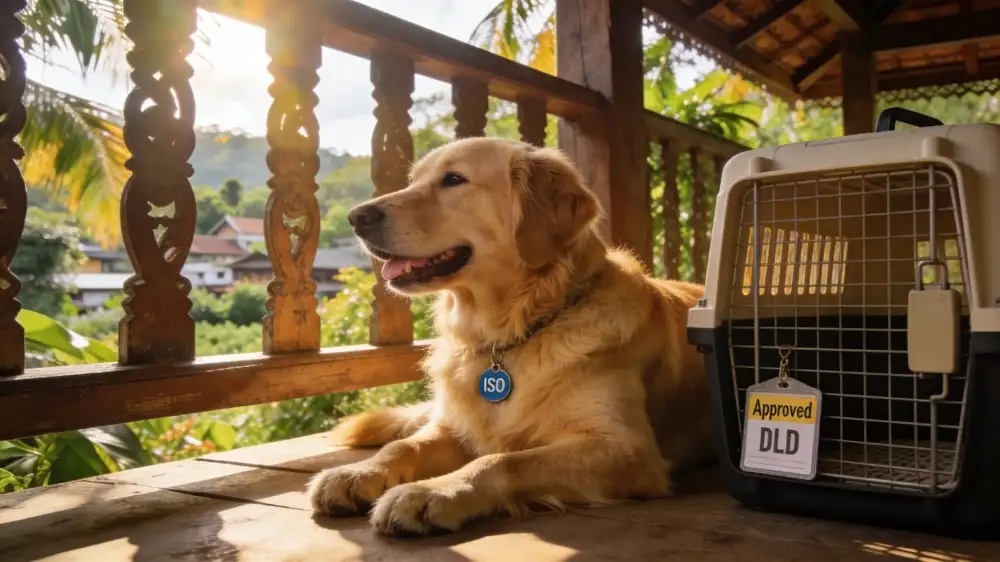
- Entry Requirements: Your pet needs an ISO microchip, a rabies vaccination certificate (issued between 30 days and 12 months before travel), and a government-endorsed health certificate. Get these sorted well in advance.
- Regional Variance: Southern and Central Vietnam are the most welcoming, with plenty of pet-friendly high-rises and villas. Northern Hanoi is tighter, focus on specific expat-facing developments rather than the historic centre.
- Average Budgets: Pet-friendly apartments run from 8,000,000 VND to 25,000,000 VND ($315–$985 USD) per month depending on city and district. Villas with gardens cost more but give you far fewer headaches.
- Finding Strategy: Standard booking platforms often hide or misrepresent pet policies. Local agents and active expat Facebook groups will save you enormous amounts of time and frustration.


Compare hotel prices across Vietnam’s best
neighbourhoods and book with confidence.
Filter by budget, location, or guest score
to find the right stay for your trip.
Where Are the Best Cities for Pet Owners?
Vietnam’s three main expat hubs each have a distinct character when it comes to renting with pets. Ho Chi Minh City offers the most developed infrastructure, Da Nang gives you the most relaxed lifestyle, and Hanoi rewards those willing to do a bit more legwork. Here’s a quick breakdown before we dive into each one.
| Property Type | Best Locations | Monthly Cost (VND / USD) |
|---|---|---|
| Serviced One-Bedroom Apartment | Tay Ho (Hanoi) / An Thuong (Da Nang) | 9,000,000 – 15,000,000 VND ($355–$590 USD) |
| Modern High-Rise Condominium | Thao Dien (HCMC) / Phu My Hung (HCMC) | 16,000,000 – 30,000,000 VND ($630–$1,180 USD) |
| Multi-Bedroom Detached Villa | Son Tra (Da Nang) / Ciputra (Hanoi) | 35,000,000 – 70,000,000 VND ($1,380–$2,750 USD) |
Finding the Right Neighbourhood for You and Your Pet
The good news is that Vietnam’s main expat districts have genuinely embraced pet ownership over the last decade. Modern residential towers in international neighbourhoods come with green spaces, dedicated walking paths, and building management teams who deal with pet-owning tenants every single day. Here’s where to focus your search.

Ho Chi Minh City
The south is your best bet for hassle-free pet ownership. District 2, especially Thao Dien and An Phu, and District 7’s Phu My Hung are packed with modern high-rises like Masteri Thao Dien, Gateway Thao Dien, and Sunrise City that routinely approve residents with dogs and cats.
Walking paths along the Saigon River, riverside parks, and excellent veterinary clinics make daily life genuinely enjoyable. Street-level townhouses in these areas often come with enclosed courtyards, a real bonus for larger breeds.
Da Nang
Central Vietnam is arguably the most relaxed place in the country to live with a pet. The coastal districts of Ngu Hanh Son and Son Tra are full of low-rise apartments and beachside villas that rarely impose strict animal restrictions.
Daily walks along My Khe Beach or the Han River are genuinely on the table. Local cafés and businesses around here tend to be openly welcoming to well-behaved companions, and the whole city just has a slower, easier pace that pet owners tend to fall in love with.


Hanoi
The capital takes a bit more effort, but it’s absolutely workable. Skip the Hoan Kiem District and the narrow alleys of the Old Quarter entirely, dense housing, poor ventilation, and near-zero outdoor space make them genuinely unsuitable for animals.
Instead, head straight for Tay Ho (West Lake), where serviced apartments and detached villas specifically cater to the international community. Modern developments in Ciputra and the outer Ba Dinh area also offer secure compounds, manicured parks, and clear building regulations.

Skip-the-line tickets, guided walks,
and Vietnam day trips with English
guides. Read reviews from real travellers
before committing to a single one.
How to Negotiate a Pet-Friendly Lease
This is where people come unstuck. A landlord who verbally agrees to your dog means absolutely nothing if the building management board decides to enforce a no-pets rule six months into your tenancy. Get everything in writing, always.
Pro Tip: Always secure written confirmation from both the landlord AND the building management board (Ban Quản Lý). One without the other is not enough. Landlords don’t run the building, the management board does.
Your lease should explicitly state the breed, size, and number of animals permitted. Landlords will commonly ask for an additional security deposit equivalent to one month’s rent to cover potential wear on flooring and furnishings, this is normal and worth agreeing to. Before you move in, photograph every wall, floor, and piece of furniture in detail, and confirm the building’s specific rules around elevator use and checkout cleaning requirements.


Compare tours and tickets across Vietnam
and book instantly on your phone.
Klook’s mobile vouchers mean no
printing, no fuss, just turn up and go.
Keeping Your Pet Safe Day-to-Day
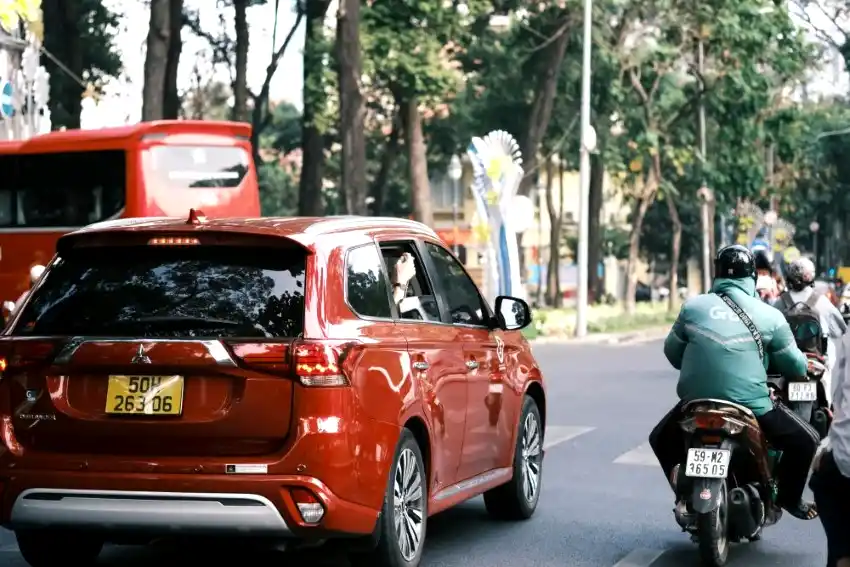
Vietnam’s motorbike culture is something every new pet owner needs to respect from day one. Streets are fast-moving and unpredictable, always keep your animal on a secure leash outside the compound. Sidewalks double as scooter parking and street food stations, so walks require constant attention.
Food scraps and street trash are common in busy urban areas, making supervision essential to stop your pet from eating something harmful. The tropical climate also means year-round heartworm, tick, and flea pressure, get preventative treatments sorted immediately upon arrival at a reputable clinic. Well-regarded options include Animal Doctors International and Saigon Pet Clinic in Ho Chi Minh City.

Skip the airport kiosk queue in Vietnam.
Airalo’s eSIMs are pre-loaded before
you fly and ready to switch on the
instant you connect to the network.
Practical Tools for Pet Owners in Vietnam:
- Transport Apps: Download Grab, Xanh SM, or Be before you land. Always select the car option when travelling with your pet, and send a quick message via the in-app chat to confirm the driver is happy to carry an animal. Bringing a crate or a protective blanket significantly improves driver acceptance rates.
- Accommodation Scouting: For short-term scouting trips, filter for pet-friendly policies on Agoda and Booking.com. For local services, pet-sitting, and supply recommendations, dedicated expat Facebook groups are far more useful and up-to-date than any platform.
- Cash for Local Expenses: Veterinary care, grooming, and pet food from neighbourhood shops all run on Vietnamese Dong (VND). Keep smaller bills handy, established international clinics accept major cards, but local shops and quick transport tips need cash.
- International Pet Food: Brands like Royal Canin, Science Diet, and Orijen are widely available in Hanoi, Da Nang, and Ho Chi Minh City at specialist pet boutiques and larger supermarkets. Local delivery apps also carry a solid selection of imported supplies.


Maps, Grab, translation apps, all need
data in Vietnam. Yesim’s eSIM installs
in a minute and gives you reliable 5G
from the moment you arrive.
Frequently Asked Questions:
Can you bring dogs and cats into Vietnam easily?
Yes, provided you sort the paperwork well in advance. Animals need an ISO-compliant microchip, a valid rabies vaccination given at least 30 days before travel, and an official health certificate issued by your home country’s agricultural authority within 10 days of arrival. No mandatory quarantine applies if your documents are correct, just make sure everything is in order before you fly.
Do Vietnamese apartments allow large dog breeds?
It depends entirely on the specific building. Individual landlords may be happy to approve a large breed, but high-rise residential towers often enforce weight limits, commonly under 10 or 15 kilograms. If you have a bigger dog, target ground-floor townhouses or private villas, which are almost always far more accommodating.
Is it worth using a local agent to find a pet-friendly rental?
Absolutely. Standard platforms like Agoda and Booking.com frequently have incomplete or outdated pet policies listed. A local agent who specialises in expat housing will already know which buildings have relaxed management boards, which landlords are genuinely pet-friendly, and how to structure the lease to protect you. It’s worth every dong of their commission fee.
What’s the best city in Vietnam to live in with a pet?
Da Nang edges it for lifestyle, beach walks, relaxed villas, and an easy-going local culture that genuinely welcomes animals. Ho Chi Minh City wins on infrastructure, with the most veterinary options, specialist pet shops, and purpose-built expat developments. Hanoi is perfectly viable but requires more targeted searching in the Tay Ho or Ciputra areas.