Hanoi Old Quarter Guide
Few places in Southeast Asia hit you quite like the Old Quarter. It’s chaotic, electric, and completely addictive. A tangle of ancient alleyways where a bowl of pho costs less than a coffee back home and every street corner has a story going back centuries. Whether you’re rolling in on a shoestring budget or treating yourself to a boutique stay, the Old Quarter rewards everyone who gives it proper time.
The Quick Summary:
- Recommended Stay: 2 to 3 days is the sweet spot. Long enough to get properly lost, short enough to leave wanting more.
- Daily Budget: From 500,000 VND ($20 USD) for backpackers eating and drinking brilliantly on the street, up to 2,500,000 VND ($103 USD) for mid-range comfort with boutique hotel breakfasts included.
- Getting Around: Your feet are your best tool for the narrow alleyways. Use Grab, Xanh SM, or Be for longer city hops.
- Cash is Essential: Vietnamese Dong (VND) runs the show at street stalls and traditional markets. Keep smaller notes on you. 20,000, 50,000, and 100,000 VND are your friends.
- Best Arrival Route: The Number 86 Express Bus runs directly from Noi Bai International Airport to the Hoan Kiem Lake area for a fraction of taxi prices.

From boutique guesthouses to five-star
resorts, Agoda has Hanoi’s best stays
covered. Strong Asia inventory means
deeper discounts than you’d expect.
Which Streets Are Worth Your Time?
The Old Quarter’s famous 36 Streets each have their own personality. You could wander every single one over a long weekend and still not catch everything. But these three are the ones that genuinely matter, and the ones most visitors remember long after they’ve left Hanoi.
| Street | What It’s Known For | Best Time to Visit | Who It’s Perfect For |
|---|---|---|---|
| Hang Gai Street | Silk, bespoke tailoring, artisanal paper products | Morning to early afternoon | Shoppers, style-conscious travellers, gift hunters |
| Hang Bac Street | Historic silversmithing, jewellery, exchange booths | Anytime during the day | History lovers, jewellery buyers, curious wanderers |
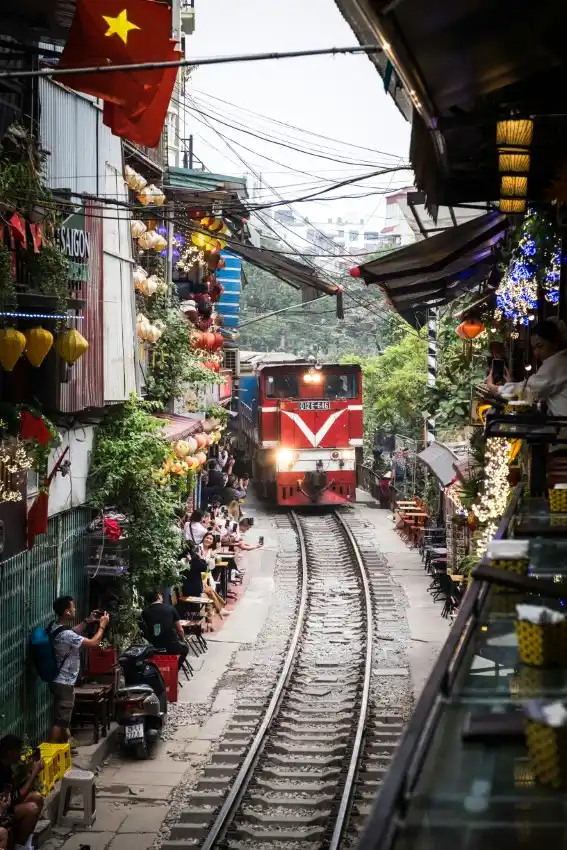
| Ta Hien Street | Bia Hoi draft beer, low plastic stools, buzzing nightlife | Early evening onwards | Backpackers, social travellers, solo adventurers |
The Streets Up Close:
Before you dive in, it helps to know what you’re actually looking for in each one. The Old Quarter rewards people who slow down, so check out our full Things To Do In Hanoi guide for everything beyond the streets themselves.
Hang Gai Street
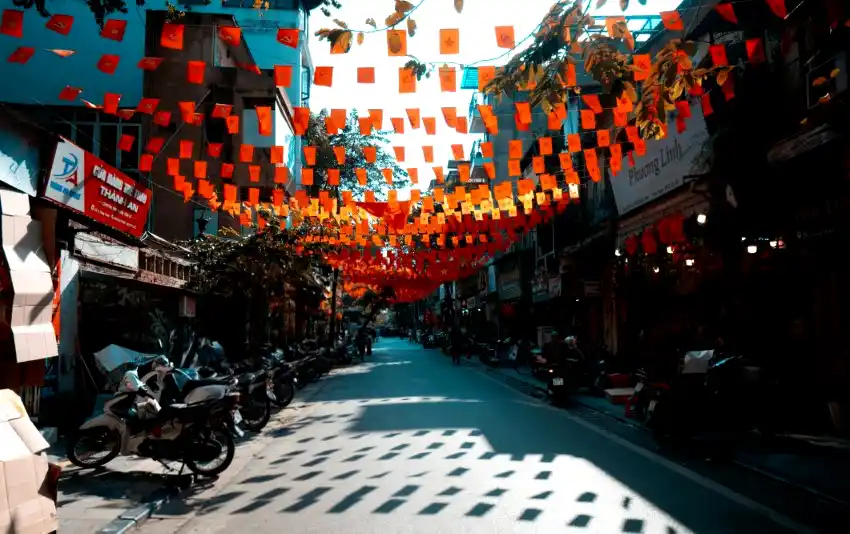
This is the street where serious shoppers slow down. Hang Gai (literally “Hemp Street”) has reinvented itself as Hanoi’s premier destination for high-quality silk, custom-tailored Vietnamese clothing, and beautiful handmade lacquerware.
Established boutiques here will create a bespoke garment in 24 to 48 hours, at prices that will make you wish you’d budgeted more luggage weight. It sits along the northern edge of Hoan Kiem Lake, making it an easy stop on any lakeside stroll.
Hang Bac Street
Silver has been traded on Hang Bac since the 13th century, and it shows. Traditional workshops still operate cheek-by-jowl with modern currency exchange booths, giving the street this wonderful layered quality.
Ancient craft meets contemporary commerce without either one winning. It’s not just for buying; watching the silversmiths work through open shopfront doors is a fascinating free show all on its own.
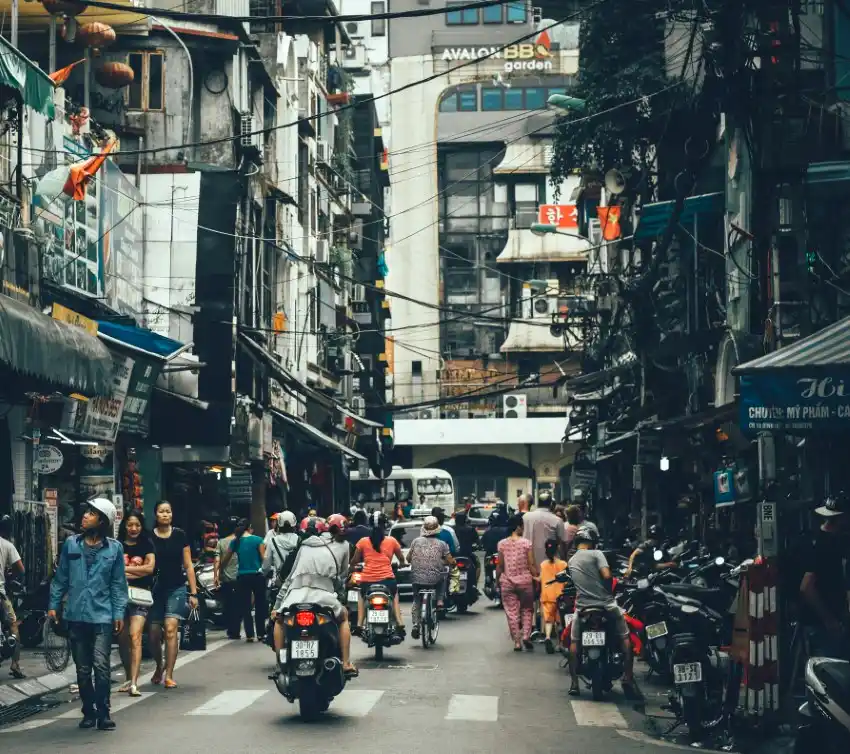
Ta Hien Street
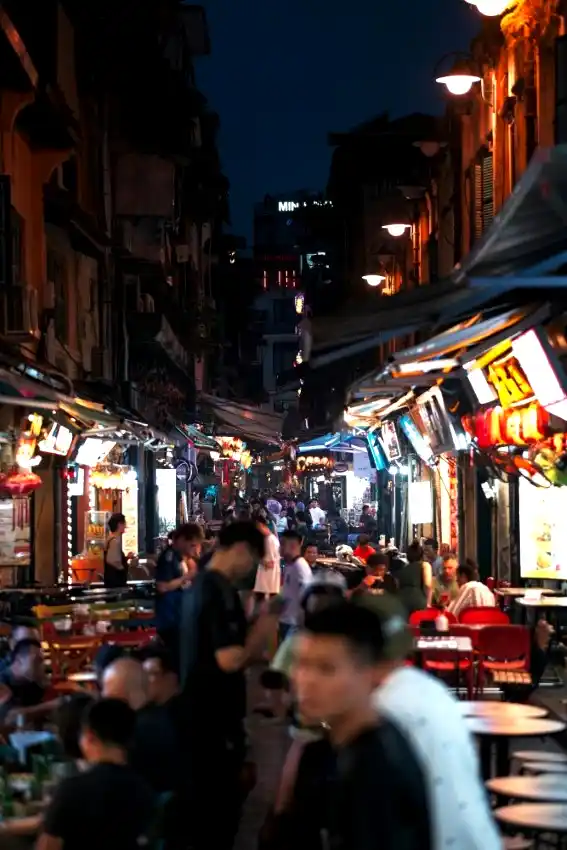
Come evening, Ta Hien transforms into one of those rare streets where backpackers, expats, and locals actually mix. The Bia Hoi, fresh draft beer brewed daily and served in tiny plastic glasses for around 7,000 VND (less than 30p), is legendary.
Pull up a low stool, order a round, and watch the entire neighbourhood come alive. It’s not fancy, it’s not curated for Instagram, and that’s precisely why it’s brilliant. If you want to know what else to do after dark, our Hanoi Night Markets guide covers the weekend street market that takes over the surrounding roads.

Compare tours and tickets across Hanoi
and book instantly on your phone.
Klook’s mobile vouchers mean no
printing, no fuss, just turn up and go.
Pro Tips For Stress-Free Travel:
- Ride-Hailing: Download Grab, Xanh SM, or Be before you land. Fixed upfront pricing means zero negotiation with drivers, a genuine relief when you’re jet-lagged and loaded with bags. Our Grab vs Xanh SM comparison will help you pick your favourite.
- Cash: Street vendors, traditional markets, and smaller family restaurants run exclusively on VND cash. Carry 500,000 to 1,000,000 VND ($20 to $41 USD) in smaller denominations daily. Large 500,000 VND notes are difficult for small stalls to change. More on this in our Vietnam Currency guide.
- Connectivity: Pick up a local eSIM via Yesim before you fly, or grab a physical SIM at the airport arrivals hall. Use NordVPN on public Wi-Fi. Having Google Maps and Google Translate downloaded offline before arrival will save you repeatedly. Full details in our Vietnam SIM Cards guide.
- Accommodation: Book through Agoda for the best Old Quarter inventory, or Booking.com if you want free cancellation flexibility.


- Accommodation: Book through Agoda for the best Old Quarter inventory, or Booking.com if you want free cancellation flexibility.
- Day Trips and Tours: Klook and Get Your Guide are the most reliable platforms for booking guided food walks, cooking classes, and day trips out to Ninh Binh or Ha Long Bay.
- Travel Insurance: Don’t skip it. SafetyWing is the go-to for budget travellers and digital nomads, with flexible monthly rolling coverage that suits longer trips. See our Travel Insurance Vietnam guide for the full breakdown.
- Airport Transfer: For a stress-free arrival from Noi Bai, Welcome Pickups offers fixed-price transfers with a meet-and-greet service. Worth it after a long-haul flight.
- Visas: Most nationalities can apply for Vietnam’s e-visa online, up to 90 days. Single-entry costs $25 USD; multiple-entry costs $50 USD. Allow 3 to 8 working days for processing. Check whether your nationality qualifies for visa-free entry first, it could save you the hassle entirely.

Affordable Hanoi data without the
tourist SIM hassle. Saily’s eSIM works
on most modern phones and tops up
remotely whenever you need more.
Where to Eat (The Honest Guide):
The Old Quarter’s best food is served on the pavement. The spots tourists miss, and locals queue for, are single-dish institutions that have been perfecting one recipe for generations. Here are the three you absolutely cannot leave without trying. And if you want to go deeper on this city’s food scene, our Hanoi Street Food Guide covers every dish worth tracking down.
Bun Cha: The Must-Order
Charcoal-grilled pork patties swimming in a warm, slightly sweet fish sauce broth, served alongside cold rice noodles and a mountain of fresh herbs.
Bun Cha Huong Lien on Le Van Huu Street is the famous pilgrimage spot (Anthony Bourdain and Barack Obama ate here, yes, really). Budget 60,000 to 90,000 VND ($2.50 to $3.70 USD) and arrive before noon or after 2pm to avoid the lunch crush.
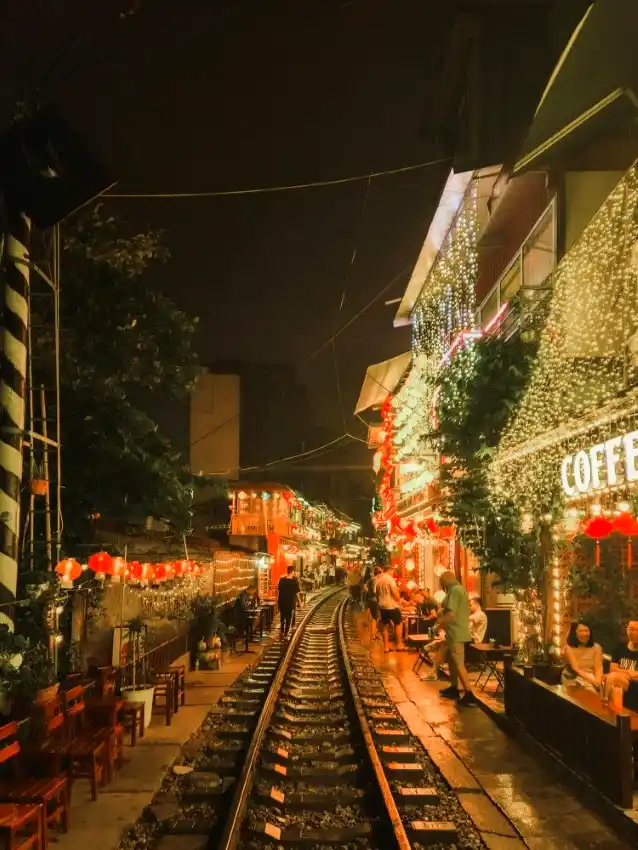
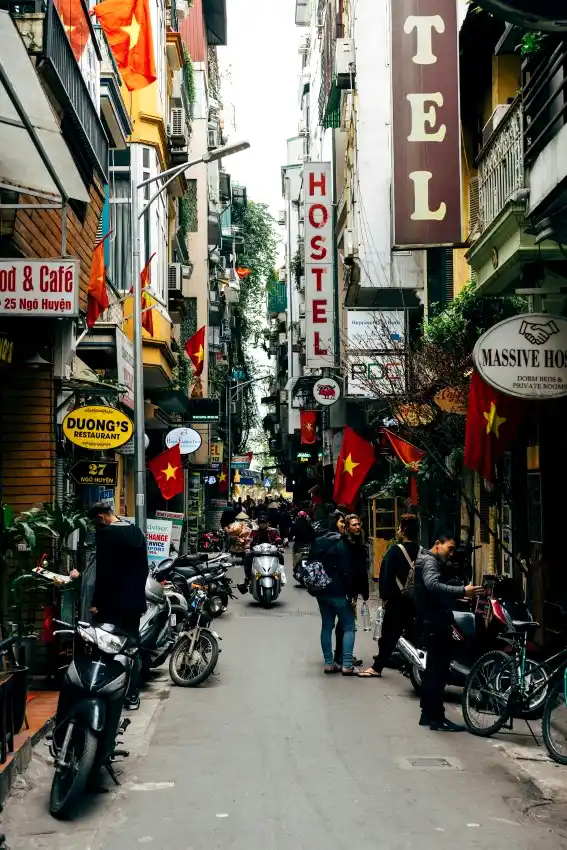
Pho Bo: The Northern Classic
Hanoi pho is a very different beast from the southern version. Cleaner, more austere, deeply savoury rather than sweet. Pho Gia Truyen on Bat Dan Street has been serving the same clear beef broth since 1955.
The queue starts forming before 6am and the pot runs dry by mid-morning. If you miss the morning session, they often reopen in the early evening. Expect to pay 55,000 to 75,000 VND ($2.30 to $3.10 USD). Not sure what you’re ordering? Our wider Vietnamese Street Food Guide has you covered on every dish, from north to south.
Ca Phe Trung: Egg Coffee
This is Hanoi’s proudest culinary invention and nothing else tastes remotely like it. Strong Vietnamese drip coffee is topped with a thick, silky-sweet layer of whisked egg yolk and condensed milk. The result is somewhere between a dessert and a caffeine hit. Giang Cafe on Nguyen Huu Huan Street invented the drink in the 1940s and is still the best place to try it.
Tucked up a narrow staircase, it’s the kind of hidden gem that makes a city feel like yours. Around 35,000 to 50,000 VND ($1.50 to $2.10 USD). Vietnam’s coffee culture runs deep; our Vietnam Coffee Culture guide explains the whole beautiful obsession.
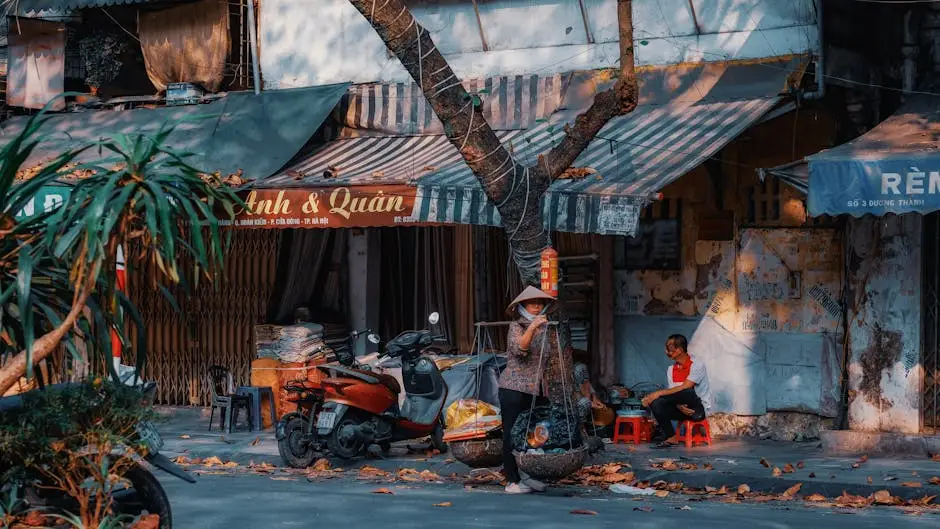
The Two Temples You Shouldn’t Skip:
The Old Quarter is much more than markets and street food. It has religious and cultural layers that go back over a thousand years, and these two temples are where that history is most alive. If you want broader context on temple etiquette across the country, our Vietnam Temples and Pagodas guide is worth reading before you visit.
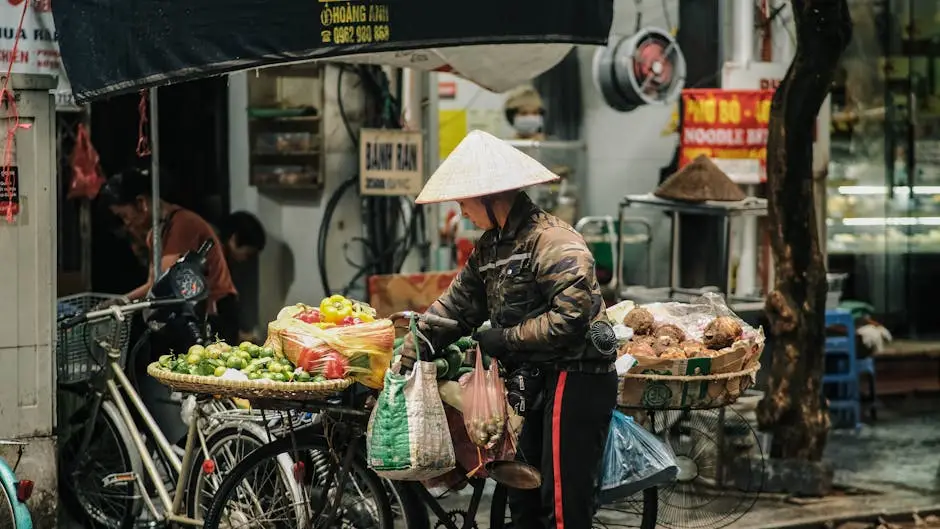
Den Ngoc Son
Sitting on a small island in the middle of Hoan Kiem Lake and reached by the iconic red Huc Bridge, Den Ngoc Son (Temple of the Jade Mountain) is one of those sights that’s even more beautiful in person than in photographs. Visit at dusk when the lantern light reflects off the water.
Walk quietly around the altars, keep voices low, and avoid pointing at religious figures or photographing people mid-prayer. Cover your shoulders and knees, this applies to everyone regardless of the weather.
Bach Ma Temple
The oldest place of worship in the entire Old Quarter, Bach Ma (White Horse Temple) guards the eastern edge of the ancient city and has done so since the 9th century. It’s easy to walk straight past the unassuming entrance on Hang Buom Street, don’t. Inside, you’ll find a genuinely tranquil pocket of history just steps away from the market noise.
Enter through the side doors rather than the central gateway, keep behaviour respectful, and take a moment to appreciate that this small courtyard has been a place of contemplation for over a thousand years. For the full picture on how Hanoi’s history shaped the streets you’re walking, our Vietnam War History guide adds a fascinating layer of context to everything you’ll see.

Lock in top-rated Vietnam tours with
GetYourGuide’s free cancellation up to
24 hours before. Reserve now and pay
later if your dates aren’t locked in.
Where to Stay in the Old Quarter:
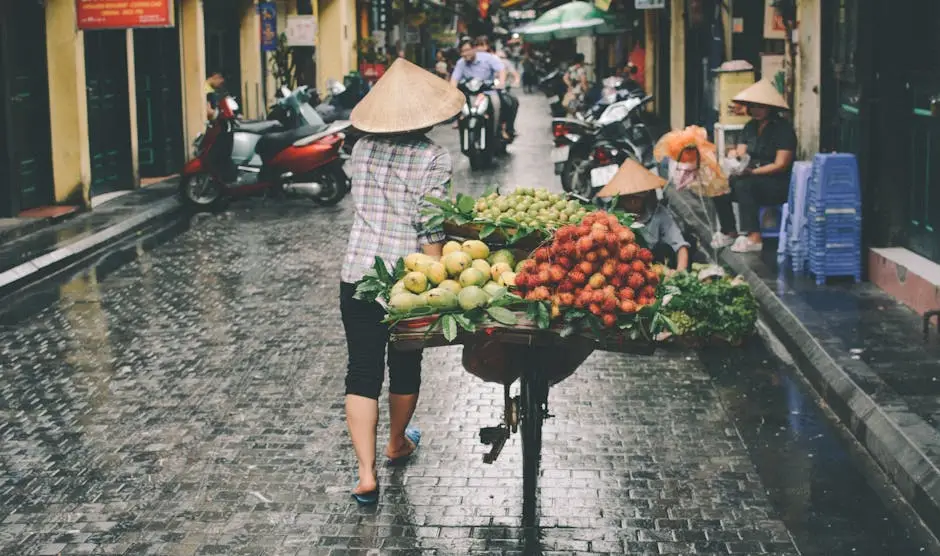
Staying inside the Old Quarter puts you within walking distance of almost everything on this page, and the range of accommodation is wider than people expect. At the budget end, social hostels cluster around Ta Hien and Hang Bac Streets, with dorm beds starting from around 200,000 VND ($8 USD) a night. Step up to a private room in a mid-range guesthouse and you’re looking at 600,000 to 1,200,000 VND ($25 to $50 USD), often with breakfast included.
For something with real character, the Old Quarter’s heritage boutique hotels are among the best-value splurges in Southeast Asia. Think exposed timber beams, silk soft furnishings, and rooftop bars overlooking a sea of tiled rooftops. Book through Agoda for the deepest inventory in this neighbourhood, including smaller family-run places that don’t always appear elsewhere. Booking.com is worth checking too if free cancellation matters to you. Our full Where To Stay In Hanoi guide breaks down every neighbourhood so you can choose the right base for your trip.
Day Trips Worth Taking:
The Old Quarter makes a brilliant base not just for Hanoi itself, but for some of the best day trips in the whole of northern Vietnam. Ninh Binh is the most popular, around two hours south by road, a landscape of karst mountains, ancient temples, and slow-moving rivers that feels completely removed from city life. It’s one of those places you book as a day trip and leave wishing you’d stayed the night.
Then there’s Ha Long Bay, the obvious bucket-list choice, a short journey northeast of Hanoi and absolutely worth it. Overnight cruises are the sweet spot for seeing it properly. Get Your Guide and Klook are both reliable for booking guided tours from the Old Quarter itself, whether you want a budget group trip or a private guided food walk through Hanoi before you leave. For a full rundown of what’s reachable, our Hanoi Day Trips guide covers everything from a few hours to a full overnight.
Staying Safe and Comfortable:
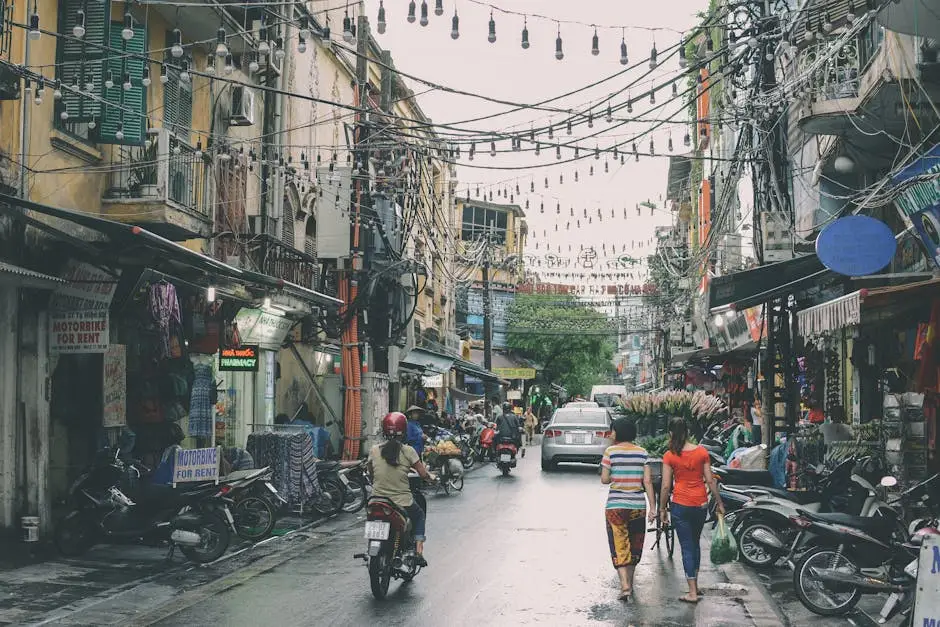
The Old Quarter is safe for solo travellers, families, and everyone in between. Violent crime is extremely rare. The things worth watching for are practical rather than alarming, and our Is Vietnam Safe guide covers the full picture if you want more detail.
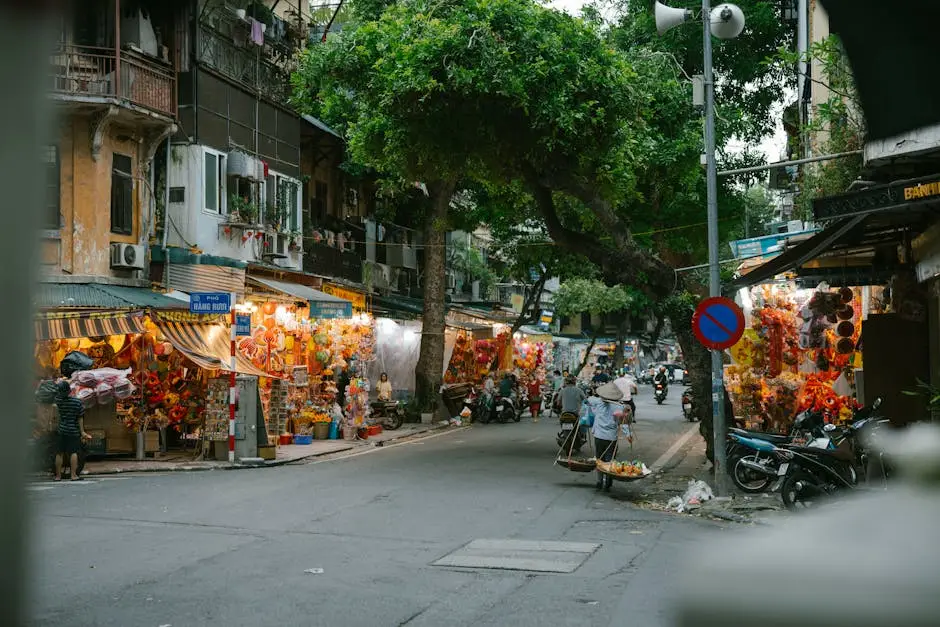
Traffic Tip: Crossing the road here is an art form. Step off the pavement slowly and steadily. Don’t freeze, don’t sprint. Motorbike riders are expert at reading pedestrian movement and will flow around you naturally. The trick is being predictable. A calm, consistent pace is all you need.
For food safety, follow the locals. The busiest stalls, the ones with queues of Vietnamese families, turn over ingredients fastest and are always the safest bet. Stick to bottled water, and if you’re ordering iced drinks, look for ice cubes that are cylindrical with a hole through the centre; these are factory-made and safe. Keep your phone and wallet in front pockets or a zipped cross-body bag in crowded market areas like the weekend night market stretch.
A Note for Long-Term Travellers and Expats:
Hanoi has quietly become one of Southeast Asia’s most liveable cities for remote workers and expats. The cost of living is low, the food culture is extraordinary, and the city has enough cultural depth to never feel boring. Our full Living In Hanoi guide covers neighbourhoods, local life, and what a longer stay actually looks like day to day.
Slow Travel Tip: Many remote workers split their time between Hanoi’s historic energy and the coastal digital nomad scene in Da Nang, a short domestic flight makes it easy. Vietnam’s 90-day e-visa gives you ample time to explore long-term rental options before committing.
For the numbers on what it actually costs to live here month to month, our Cost of Living in Vietnam guide has the full breakdown. If you’re planning to relocate with pets, international documentation requirements are significant; start that process well in advance with our Moving Pets To Vietnam guide.
Frequently Asked Questions:
Is the Old Quarter safe for solo travellers?
Yes, and confidently so. The district has very low violent crime rates. The main thing to be aware of is opportunistic petty theft in crowded areas, particularly around the weekend night market. Keep your phone in a front pocket, use a zipped cross-body bag, and you’ll be absolutely fine. Solo women travellers visit and live here comfortably.
What’s the best time of year to visit Hanoi?
September to November is the sweet spot. Cool enough to explore comfortably, with clear skies and low humidity. March and April are also pleasant before the summer heat builds. Avoid late July and August if you’re heat-sensitive; the combination of 38°C temperatures and high humidity is intense. The Tet festival period (late January or early February) is magical but many smaller businesses close for the national holiday.
How much cash should I carry each day?
500,000 to 1,000,000 VND ($20 to $41 USD) covers a full day of street food, market browsing, coffee, and incidentals with room to spare. Larger hotels and established boutiques on Hang Gai accept international cards, but for everything else, markets, street stalls, local restaurants, motorbike taxis, cash is essential.
Is the Old Quarter good for families with young children?
It’s an incredible experience for kids, with the right preparation. The sensory overload is real and wonderful. Stick to freshly cooked street food served piping hot (skip raw vegetables and unpeeled fruit for younger stomachs). Traffic crossing requires close supervision; hold hands and move as a group at a steady pace. Many boutique hotels in the area have family rooms, and Hoan Kiem Lake is an easy, safe space for children to decompress between the busy streets.
Can I get a custom garment made here?
Absolutely, and it’s one of the best things you can do in the Old Quarter. Hang Gai Street has the highest concentration of quality tailors. Bring reference photos of what you want, allow at least 48 hours for production, and budget at least one fitting session. Quality silk garments typically start from around 800,000 VND ($33 USD) and go up depending on fabric and complexity. Avoid anywhere that promises same-day turnaround.
How do I get from Noi Bai Airport to the Old Quarter?
The Number 86 Express Bus is the cheapest option, running directly to the Hoan Kiem Lake area for around 45,000 VND ($1.90 USD). Journey time is roughly 45 to 60 minutes depending on traffic. A Grab taxi costs around 250,000 to 350,000 VND ($10 to $14 USD) and takes a similar amount of time. For a truly stress-free arrival after a long-haul flight, Welcome Pickups offers a fixed-price meet-and-greet transfer with a driver holding your name up at arrivals.
What is Bia Hoi and is it safe to drink?
Bia Hoi is fresh draft beer brewed daily in small batches and sold straight from kegs on street corners, most famously on Ta Hien Street. It’s very low alcohol (around 3%), very cheap (roughly 7,000 VND, less than 30p per glass), and perfectly safe. It’s one of Hanoi’s great institutions. The glasses are washed between uses at reputable spots; if in doubt, the busier the stall, the faster the turnover, and the safer the drink.
Is the Old Quarter worth visiting if I only have one day in Hanoi?
Yes, and it’s probably the one area that deserves most of that day. Start early with pho on Bat Dan Street, spend the morning wandering Hang Gai and Hang Bac, visit Den Ngoc Son at the lake around midday, then catch the afternoon buzz on the streets before heading to Ta Hien as the sun goes down. One focused day will give you a real feel for the place, even if you’ll wish you had more time.
Do I need to tip in restaurants and cafes?
Tipping isn’t expected in local street food spots or traditional Vietnamese restaurants, it’s simply not the custom. In mid-range and upscale restaurants that serve international visitors, rounding up or leaving 10% is appreciated but never obligatory. At bars and cafes, leaving small change is a nice gesture. If a service charge is already included on the bill, you don’t need to add more.
What’s the weekend night market and is it worth going to?
Every Friday, Saturday, and Sunday evening, the streets around Hang Dao, Hang Duong, and Dong Xuan Market are closed to traffic and taken over by hundreds of stalls selling street food, clothing, souvenirs, and handcrafts. It’s lively, colourful, and very busy, especially on Saturday nights. Go with an empty stomach and comfortable shoes. Bargaining is expected at most clothing and souvenir stalls; start at around 50 to 60% of the opening price.