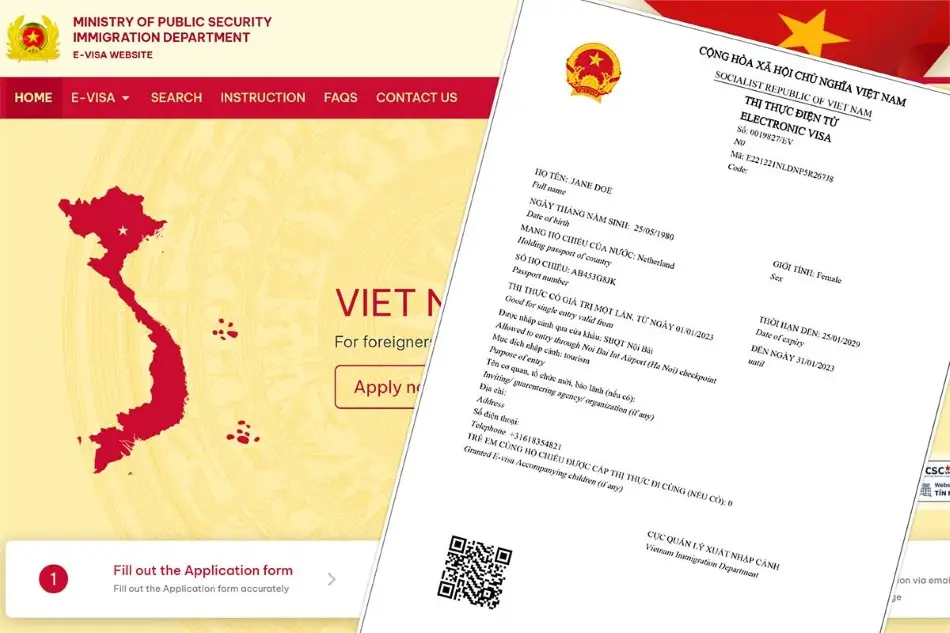
Vietnam Visa Extensions
Vietnam has a way of rewriting your plans. A two-week trip turns into a month, a month turns into three, and suddenly you’re negotiating a long-term lease on a balcony apartment overlooking the Thu Bon River wondering where it all went. If you’re not ready to leave, you’re in good company, but you do need to know the rules before your stamp expires.
The Quick Summary:
- In-Country Extensions: Standard tourist e-visas and visa exemptions cannot be extended from inside Vietnam. To stay longer, you’ll need to leave the country and re-enter, this is called a visa run.
- The Border Run Strategy: Apply for a fresh 90-day e-visa online, then cross out through a land border or fly to a neighbouring country and re-enter. Simple, widely used, and completely legal.
- Exemption Limits: If you entered on a visa-free stamp (45 days for UK/EU travellers, for example), that stamp cannot be renewed from within the country. You must exit to reset it.
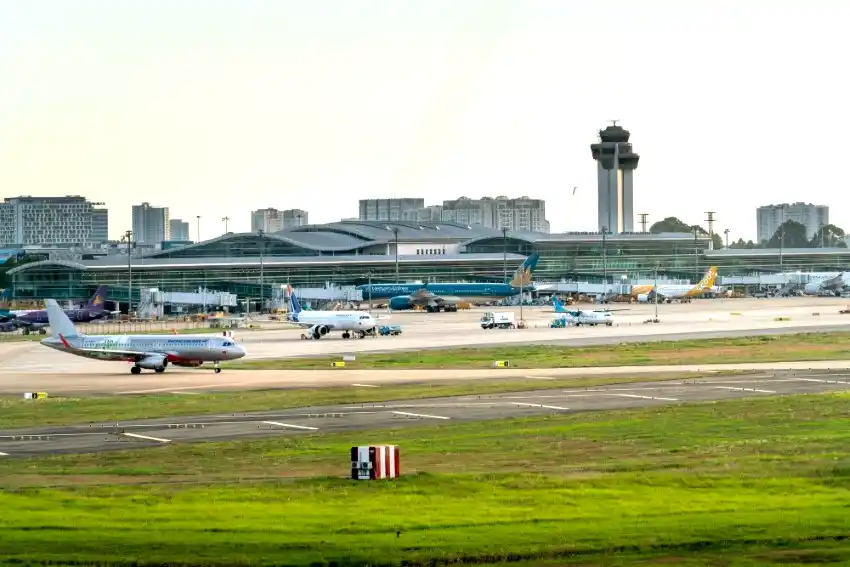
- Ho Chi Minh City Pre-Arrival: Arriving at Tan Son Nhat International Airport? Since mid-2026, all incoming passengers must complete a digital pre-arrival declaration and present a QR code at immigration. Do this before you fly.
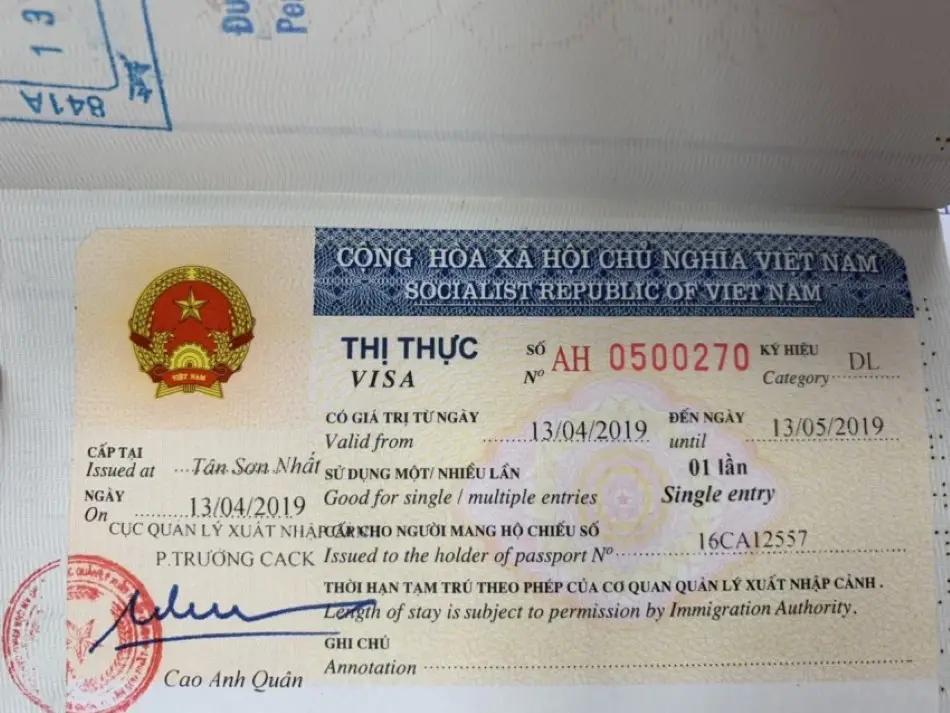
Can You Actually Extend a Visa Without Leaving?
The short answer is: not if you’re a tourist. Vietnam does allow in-country visa extensions, but only for very specific categories, business visa holders, people with investment visas, or those with a Vietnamese family sponsor. For everyone else on a standard tourist e-visa or a visa exemption stamp, the rules are clear: you need to exit the country before your permitted stay runs out.
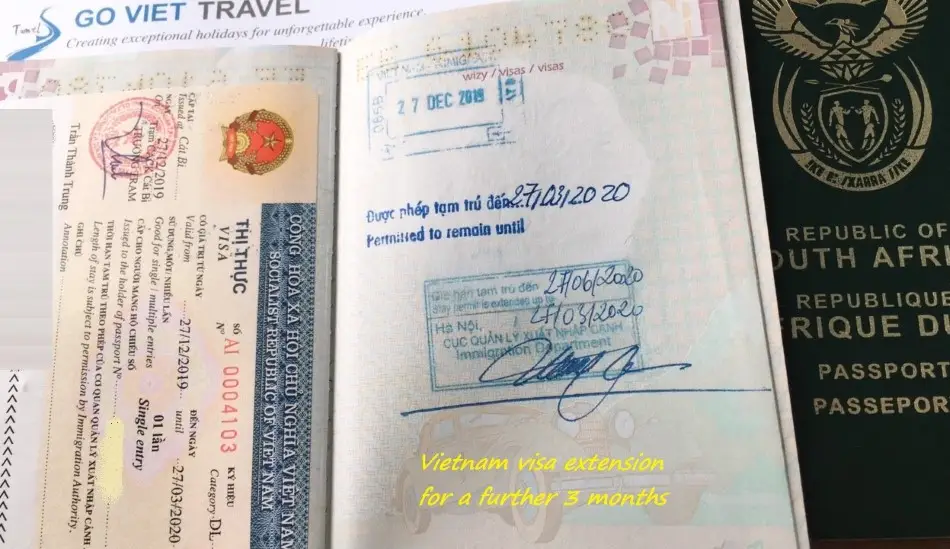
The days of popping into a local travel agency to quietly extend a tourist visa are largely over. The current framework is stricter and more consistent than it used to be, which is actually fine, the process is straightforward once you know it.
Apply for a new e-visa online through the official government portal, then exit to Cambodia, Laos, or Thailand before crossing back in with a fresh stamp.
The most important thing to remember: don’t let your current stamp expire while you’re figuring this out. Overstaying triggers daily fines, an exit interview at the airport, and potentially a future re-entry ban. Give yourself at least a week of buffer before your expiry date to get everything sorted.

Skip-the-line tickets, guided walks,
and Vietnam day trips with English
guides. Read reviews from real travellers
before committing to a single one.
How to Plan a Visa Run:
A visa run sounds more dramatic than it is. You apply for a new 90-day e-visa online, wait for approval, then cross out of Vietnam and back in at an official international border checkpoint, your new visa activates the moment you re-enter. Most people do this in a single day. Some turn it into a mini trip.
Going by Land
Land crossings are the budget-friendly option and genuinely easy if you’re based in the south or centre. From Ho Chi Minh City, a tourist bus to the Moc Bai border checkpoint into Cambodia takes a few hours and costs a fraction of a flight. From Hue or Hoi An, the Lao Bao border gate into Laos is a scenic, if slightly longer, alternative through the mountains.
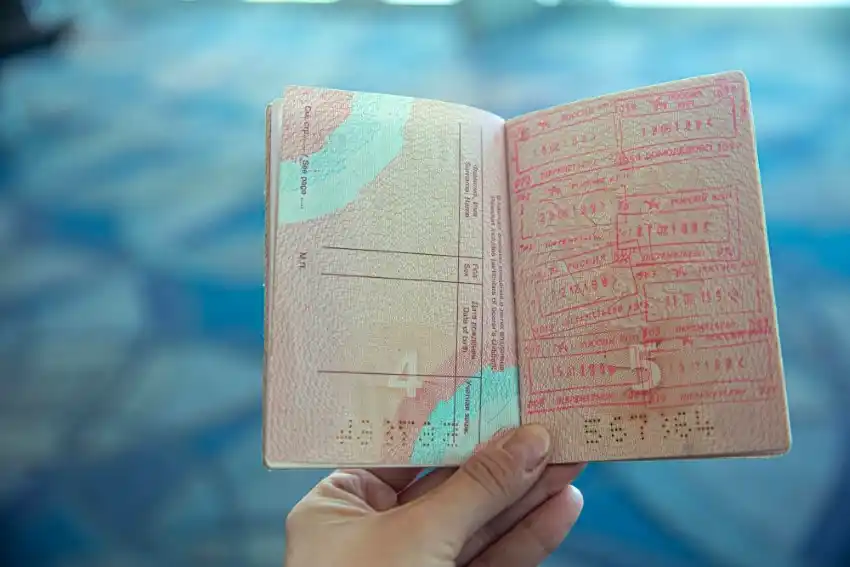
One thing to check before you go: your passport needs to be in good physical condition. Land border immigration officers will reject documents with tears, loose pages, or significant water damage. If your passport is looking a little worse for wear, sort a renewal before attempting this route.

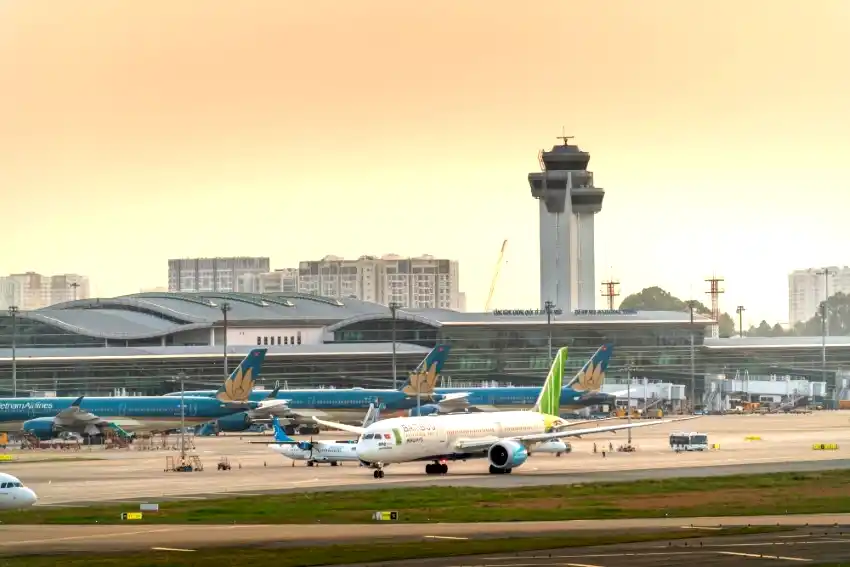
Going by Air
Flying out is the smoother, more comfortable option, and it doubles as a short getaway. A morning flight from Hanoi or Ho Chi Minh City to Bangkok or Kuala Lumpur, a few hours on the ground, and a return flight the same evening is a perfectly manageable one-day trip. Some travellers use it as an excuse to spend a long weekend somewhere new before heading back.
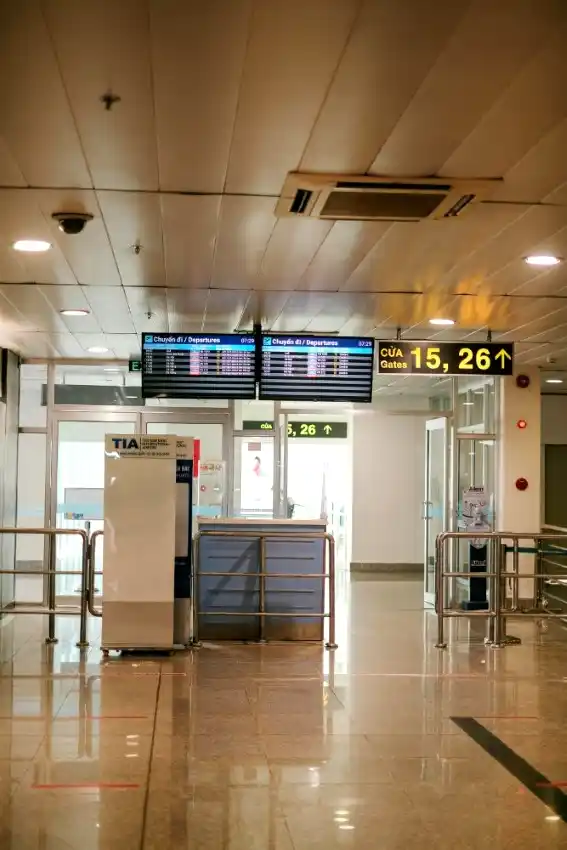
If you’re departing from Ho Chi Minh City, remember that all incoming passengers at Tan Son Nhat must complete the digital pre-arrival QR declaration before arriving back into the terminal. Don’t leave this until you’re at the boarding gate.
What Does a Visa Run Actually Cost?
The e-visa fee itself is fixed regardless of how you travel. Everything else depends on the route you choose.
| Expense | Land Border (Moc Bai / Lao Bao) | International Air (Bangkok / KL) |
|---|---|---|
| Official E-Visa Fee | 625,000 VND ($25 USD) single / 1,250,000 VND ($50 USD) multiple | 625,000 VND ($25 USD) single / 1,250,000 VND ($50 USD) multiple |
| Transport | 500,000 – 1,000,000 VND ($20 – $40 USD) via tourist bus | 2,500,000 – 5,000,000 VND ($100 – $200 USD) via regional airline |
| Neighbouring Country Visa | 875,000 – 1,250,000 VND ($35 – $50 USD) | Varies by nationality |

Lock in your Vietnam accommodation early
and beat peak-season price hikes.
Agoda’s filters let you compare options
side by side before you commit.
Staying in Vietnam Long-Term:
If you’ve moved well past the “extended holiday” phase and are seriously considering making Vietnam your base for a year or more, there are a few proper long-term pathways worth knowing about.
The Digital Nomad Route
Vietnam doesn’t yet have a dedicated digital nomad visa, though one has been in discussion for some time, but plenty of remote workers make it work by chaining consecutive 90-day multiple-entry e-visas together.
The coastal neighbourhoods of Da Nang have become a genuine hub for this lifestyle: fast fibre-optic internet, beach access, excellent coffee, and a cost of living that makes most Western cities look absurd by comparison.
For high-skilled professionals or specialists in tech and innovation, the UĐ1 visa category is worth looking into. It’s designed for exceptional talent and can grant residency for up to five years, a proper long-term option rather than a rolling series of border runs.
The 5-Year Visa Exemption Certificate
If you have Vietnamese heritage or are married to a Vietnamese citizen, the 5-Year Visa Exemption Certificate is one of the most generous long-term options available.
It allows multiple entries with stays of up to six months per visit, and unlike standard tourist entries, it can actually be extended for an additional six months from inside the country, as long as a local relative acts as a guarantor at the immigration office.
For anyone considering full relocation, including bringing pets, the paperwork gets more involved. Dogs and cats require export health certificates from your home country, up-to-date rabies vaccinations, titer testing, and microchipping. It’s manageable, but start the process several months before your planned move date.

From short trips to long stays in Vietnam,
Airalo has flexible eSIM data plans
you can install in minutes. Top up
remotely if you need more data later.
Cultural Tips for Longer Stays:
The longer you stay, the more you’ll want to get this right, and the locals genuinely appreciate the effort.
On the roads: Motorbike horns aren’t aggression, they’re communication. Drivers use them to signal their presence at blind corners and busy junctions. If you’re renting a scooter, always wear a proper helmet, and give way to buses and large delivery vehicles without hesitation.
On tipping and bargaining: Tipping isn’t expected at local family-run eateries, but it’s warmly welcomed at cafes and spas with a more international clientele. At wet markets, gentle bargaining is fine, but avoid being aggressive about it. A Vietnamese tradition says that a smooth, uncomplicated first sale of the morning brings good fortune for the rest of the day, so starting with a fair offer goes a long way.
At temples and pagodas: Cover your shoulders and knees, remove your hat before entering, and never point your feet toward an altar or sacred statue. These small gestures carry real weight and will be noticed and appreciated.
Pro Tips For Your Extended Stay:

- Ride-Hailing Apps: Download Grab, Xanh SM, or Be and use them exclusively, unmetered street taxis in tourist areas frequently overcharge newcomers. Xanh SM’s fully electric fleet is a particularly clean and comfortable option for longer city journeys.
- Cash Awareness: The 20,000 VND and 500,000 VND notes share a frustratingly similar blue colour. Take a moment to double-check your notes during fast-paced market transactions, it’s one of the most common and costly mistakes new arrivals make.
- Accommodation: Agoda and Booking.com are great for short stays. Once you’re settled in for the longer term, local Facebook housing groups and verified real estate agents in neighbourhoods like Thao Dien (Ho Chi Minh City) or near West Lake (Hanoi) will unlock significantly better monthly rates than any international platform.
- Connectivity & Security: Pick up a Yesim eSIM before you arrive for instant data on landing. Pair it with Nord VPN to stay secure when working from coffee shops, which, let’s be honest, is where most of the actual work gets done.
- Activities & Day Trips: Klook and Get Your Guide are reliable for booking local tours, transport, and experiences with transparent, pre-confirmed pricing, no haggling required and no last-minute surprises.

Forget swapping physical SIMs in Vietnam.
Yesim’s eSIM works on most newer phones,
activates remotely, and keeps your home
number reachable for WhatsApp too.
Frequently Asked Questions:
What happens if I overstay my visa in Vietnam?
Daily fines kick in immediately, and they compound quickly. Significant overstays escalate to an exit interview with immigration officials, mandatory payment of all outstanding penalties before you’re allowed to leave, and in serious cases, a formal ban on future entry into Vietnam. Set a reminder on your phone at least a week before your stamp expires so you always have time to act.
Can I do a visa run in a single day?
Yes, easily via land border. A bus from Ho Chi Minh City to the Moc Bai border crossing into Cambodia and back can be completed within six to eight hours. Air-based runs take a little longer depending on flight schedules, but a morning departure to Bangkok or Kuala Lumpur with an evening return is a perfectly realistic one-day trip.
Does Vietnam offer a multiple-entry tourist visa?
Yes, when applying for your e-visa through the official government portal, you can select the multiple-entry option, valid for up to 90 days. It costs 1,250,000 VND ($50 USD) and lets you exit and re-enter Vietnam as many times as you like within that window. If you’re planning to travel regionally or do a border run mid-trip, this is the one to get.
Where do I check my visa application status?
Always use the official Vietnamese government immigration portal directly, enter the unique registration code you received when you submitted your application. Avoid third-party tracking tools; they often show outdated information and some are designed to harvest your personal data. If in doubt, go straight to the source.