
Choosing Your Ha Long Bay Cruise
Rising silently from the emerald waters of the Gulf of Tonkin, thousands of towering limestone karsts form one of the most iconic geographical wonders on earth. Ha Long Bay grabs your imagination the moment the first peaks loom out of the haze, all prehistoric maritime ridges, hidden grottoes, and mist-shrouded channels. For anyone plotting an escape into Northern Vietnam, this UNESCO World Heritage site is where monumental nature and deep local history collide. Pick the right boat and the right cruise path and a standard holiday turns into a proper exploration of an ancient aquatic world. Get it wrong, and you spend two days stuck in a floating traffic jam.
The Quick Summary:
- Budgets: Multi-day cruises run from around 1,800,000 VND ($75 USD) per night for budget vessels to over 7,200,000 VND ($300 USD) per night for luxury boutique boats.
- Entry Requirements: Everyone needs a standardised bay admission ticket, which is almost always bundled into the price of a commercial cruise package, so you rarely buy it separately.
- Regional Variance: The wider seascape splits into Ha Long Bay itself, the calmer, less-crowded Lan Ha Bay to the south, and the remote, rugged Bai Tu Long Bay to the northeast.
- Best Time to Visit: October through December brings stable weather and crisp blue skies, while late spring serves up warmer water that is perfect for kayaking.

Which Ha Long Bay Route is Best?
The best route comes down to one honest question: do you want the iconic postcard landmarks, or do you want quiet water with barely another boat in sight? Ha Long Bay gives you the classic, busy views, while Lan Ha Bay and Bai Tu Long Bay hand you equally jaw-dropping scenery with a fraction of the crowds. Whichever you pick decides exactly which karsts, caves, and floating communities your boat will actually reach. If you are still weighing up the trip as a whole, our Ha Long Bay hub pulls every guide together in one place, and most people fold the bay into a wider Hanoi day trips plan or a longer northern loop.
The Classic Ha Long Bay Route
This is the traditional run, aimed squarely at the central core of the UNESCO heritage zone. Boats mostly depart from Tuan Chau International Marina and head straight for the legendary limestone formations. You wander the floodlit chambers of Sung Sot Cave (Surprise Cave) and grind up the stone steps of Ti Top Island for that sweeping panorama everyone photographs. The scenery is monumental, no argument there, but hundreds of vessels trace this exact path every single day, which means real maritime traffic through the busy afternoon hours. If unmissable headline sights matter more to you than solitude, this is your route, and our roundup of the best Ha Long Bay tours covers the operators who run it well.


The Serene Lan Ha Bay Route
Sitting just south of the main zone around Cat Ba Island, Lan Ha Bay has an identical geological profile with a sliver of the cruise traffic. Boats usually leave from Got Ferry Terminal or Tuan Chau to reach this cleaner, quieter stretch of water. The whole vibe shifts towards doing rather than gawping: kayaking through Dark and Bright Cave, swimming in pristine lagoons, and drifting past the historic floating houses of Cai Beo Fishing Village. It is the pick for travellers who want calm over commercial landmarks. For a proper head-to-head on which suits you, read our comparison of Ha Long Bay vs Lan Ha Bay, and if you would rather sleep on the island than the boat, our tour picks include Cat Ba-based itineraries.
The Remote Bai Tu Long Bay Route
For genuine isolation, this northeastern route slices through a vast, untamed marine park. Bai Tu Long sees very few tourists thanks to strict government regulations and longer transit times from the main ports. Itineraries lean into uncrowded spots like Thien Canh Son Cave and Vung Vieng Fishing Village. The karsts sit farther apart out here, opening up wide, dramatic marine vistas that feel entirely cut off from modern tourism. It rewards anyone happy to trade a bit of convenience for empty horizons, and it pairs beautifully with the wider boat tours across Vietnam if you are chasing water-based adventures elsewhere too.
How Much Does a Ha Long Bay Cruise Cost?
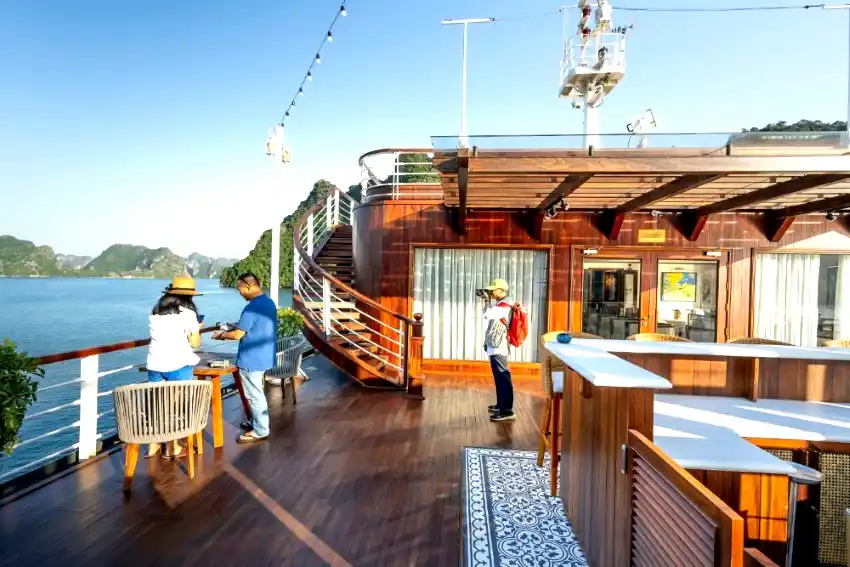
A Ha Long Bay cruise lands somewhere between 1,800,000 VND ($75 USD) and 9,600,000 VND ($400 USD) per person, and where you sit on that scale depends entirely on the luxury tier, the cabin style, and how many nights you sail. Prices generally cover your onboard cabin, the scheduled excursions, an English-speaking guide, and every meal during the voyage, so the headline figure is closer to all-inclusive than it first looks. If you are sketching out a wider trip, our Vietnam travel costs overview puts these numbers in context against the rest of the country.
| Cruise Standard | Price Range (VND per Night) | Price Range (USD Equivalent) | Key Inclusions & Style |
|---|---|---|---|
| Budget / Backpacker | 1,800,000 to 2,800,000 VND | $75 to $115 USD | Basic cabins, fixed Vietnamese set menus, standard group excursions to the popular caves. |
| Mid-Range Comfort | 3,300,000 to 5,300,000 VND | $140 to $220 USD | Private balconies, fusion buffet dining, free kayaking, and smaller tender boats. |
| Luxury Boutique | 6,000,000 to 9,600,000+ VND | $250 to $400+ USD | Freestanding bathtubs, fine dining, spa access, personal butler service, and private speedboats. |
Once you know roughly which tier you are aiming for, the booking itself is straightforward. Reputable platforms like Get Your Guide let you read recent reviews and lock in a cruise with proper cancellation terms, which matters when northern weather can be unpredictable. To work out whether the jump to a luxury boat is worth it for you, our breakdown of Ha Long Bay budget vs luxury is the place to start, and the deeper guide to choosing a cruise walks through cabins, fleets and itineraries in detail.
What is the Best Time of Year to Visit Ha Long Bay?
The sweet spot is the shoulder run of October to December, when northern autumn delivers clear skies, low humidity, and reliable sailing conditions. A second strong window opens in March and April, when spring temperatures climb to something pleasant before the summer rains arrive. If your dates are still flexible, our nationwide guide to the best time to visit Vietnam helps you line the bay up with the rest of your route so you are not chasing good weather in the wrong region.
Autumn Clarity: October to December
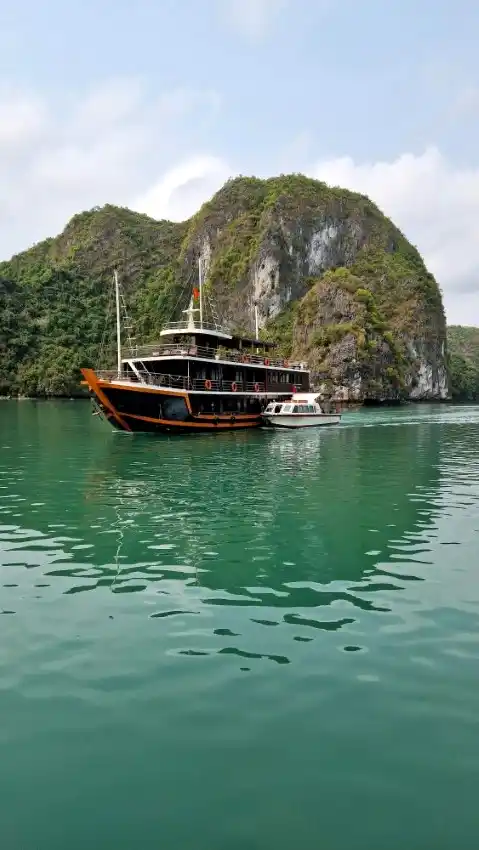
This is the golden window: cool, crisp air and excellent long-range visibility right across the Gulf of Tonkin. Daytime temperatures hover around 22°C to 26°C, which is ideal for hauling yourself up an island viewpoint or paddling between karsts without melting. Sea conditions stay stable too, so the risk of the Ha Long Port Authority cancelling your cruise at short notice drops right down. If you can only travel once, travel now. Many people stitch the bay onto a few days in the capital first, and our things to do in Hanoi guide makes that pairing easy.

Summer Storms and Heat: May to September
Summer turns the dial up: intense tropical heat, sticky humidity, and heavy monsoon downpours. The limestone cliffs look spectacularly lush under brooding skies, but this is also typhoon season, and the odds of an unpredictable storm are real. A sudden tropical system can force the port authority to suspend every overnight boat permit on the spot, which leaves travellers stuck on land watching the rain. If you are travelling in these months, decent travel insurance for Vietnam that covers weather disruption is worth its weight, and it is wise to keep a flexible day or two in your Hanoi day trip plans as a buffer.
Winter Mist: January to February
Deep winter brings cold, damp weather to Northern Vietnam, with temperatures regularly slipping below 15°C. A thick, ethereal sea mist settles over the karsts through this stretch. It is undeniably atmospheric, all traditional ink-painting moodiness, but that same fog flattens the long views and makes swimming or any water activity properly chilly. Pack layers, manage your expectations on the photos, and you can still have a beautiful, quiet trip. Our wider Vietnam travel tips cover how to dress for the surprisingly cool northern winter that catches a lot of first-timers off guard.
Understanding Local Custom and Maritime Life
Tipping Customs and Cruise Etiquette
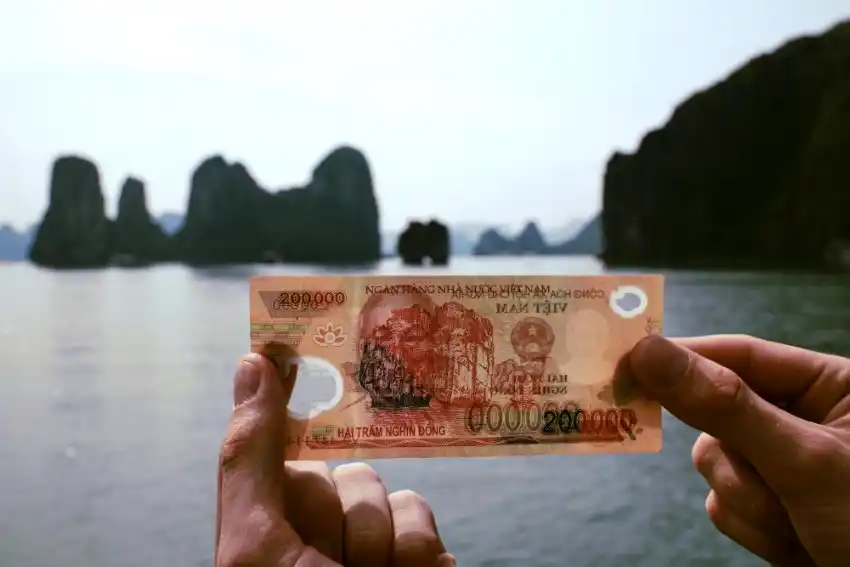
Tipping is not traditionally expected across mainland Vietnam, but the cruise industry in the Gulf of Tonkin runs on its own communal tipping system, so it is worth knowing the score before you board. At the end of a voyage, a collective tip box usually appears at reception or the main bar. Leaving 120,000 VND to 240,000 VND ($5 to $10 USD) per day per guest is genuinely appreciated. That pool gets split evenly among the crew you rarely see: the cooks, engineers, captains, and cleaners who keep the whole vessel running. If the etiquette side of travel here interests you, our guide to Vietnamese culture and etiquette covers tipping, temples and bargaining across the country.
Respecting the Floating Communities
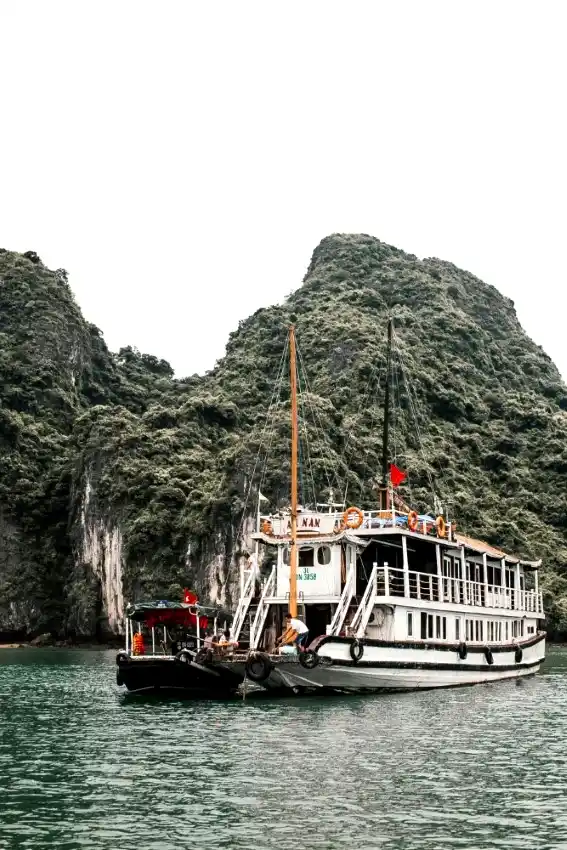
When you tour floating villages like Cua Van or Ba Hang by traditional bamboo rowing boat, a bit of restraint goes a long way. These floating structures are permanent family homes, not a stage set built for your photos. Don’t point your camera straight into private living quarters and don’t touch the hung fishing nets. The motorbike culture of the mainland gives way to small wooden sampans out here, and the fishermen row with their feet on long oars, a clever skill that keeps their hands free to work heavy monofilament lines. It is one of those small, real moments that sticks with you long after the trip. To put it in a wider frame, our guide to boat tours across Vietnam shows just how central life on the water is up and down the country.
Pairing the Bay With the Rest of the North

Almost nobody flies all the way to Northern Vietnam for the bay alone, and you shouldn’t either. The smart move is to bolt the cruise onto a few days based in the capital, then use that as a launchpad for everything else nearby. Hanoi is the obvious hub, and our Hanoi city guide sets the scene, while where to stay in Hanoi helps you pick a base in the Old Quarter or beyond. From there, the bay is one of several knockout trips: many travellers pair it with the inland karst landscapes of Ninh Binh, sometimes called the “Ha Long Bay on land”, which works neatly as its own day trip from Hanoi.
If the bay leaves you hungry for more time on the water, you are spoilt for choice further south. The wider world of island hopping in Vietnam opens up beaches and snorkelling that the northern karsts simply can’t offer, and committed divers can plan around our Vietnam scuba diving guide. Heading down the coast, the lantern-lit streets of Hoi An and the beaches around Da Nang make a natural next chapter once you have had your fill of misty limestone. Stitch two or three of these together and you have the backbone of a brilliant northern-to-central run.

Beyond the Holiday: Staying Long-Term in Northern Vietnam
The Digital Nomad Move to Cat Ba Island
Ha Long City is mostly a commercial concrete hub, but nearby Cat Ba Island has quietly become a workable base for slow travel in the north. Remote workers lean on the 90-day e-visa to lock down monthly rentals in Cat Ba Town, then settle into a relaxed coastal rhythm with excellent rock climbing on the doorstep and surprisingly reliable high-speed fibre. It makes a calmer counterpoint to the busier nomad scenes further south. If a longer stay is tempting you, our Vietnam digital nomad guide covers the practicalities, and Hanoi’s best neighbourhoods for nomads are an easy hop away when you fancy the city.


Long-Term Visas and Pet Relocation
If you are thinking about putting down roots on the northern coast rather than just visiting, the paperwork gets more involved. Note that the 90-day e-visa cannot be extended from inside Vietnam in 2026, so genuine long-term residence usually means proper business sponsorship or a marriage visa, since standard tourist extensions are now heavily restricted. Our guide to long-term visas in Vietnam lays out the realistic options. Moving with a dog or cat adds another layer, with strict veterinary protocols, health certificates, and rabies antibody testing all needed before arrival at Noi Bai International Airport in Hanoi. Anyone in that boat should start with our moving pets to Vietnam overview and the specifics on rabies titre tests.
A Note for Nervous Travellers:
Managing Maritime Safety and Scams
Safety standards across registered Ha Long Bay fleets have come a long way thanks to strict government oversight. Every passenger hands over passport details for the manifest before departure, and ships are GPS-tracked the whole time. The thing to watch is the booking, not the sailing. Steer clear of street-side travel kiosks in Hanoi flogging suspiciously cheap “luxury” cruises, because those bargains often turn out to be tired, uncertified junks. Book through verified platforms or official operators so the cabin you see is the cabin you get, and our best Ha Long Bay tours guide flags operators worth trusting. For the bigger picture on staying safe nationwide, our is Vietnam safe overview is a calming, honest read.

Food Safety and Sea Sickness
Food on mid-range and luxury vessels is reliably good, with kitchens using purified ice and filtered water for everything they serve. If your stomach is on the sensitive side, stick to cooked seafood and skip the raw shellfish at the buffet, and you will almost certainly be fine. For motion sickness, here is the reassuring part: the water inside the bay is far calmer than the open ocean, because those thousands of limestone karsts act as one enormous natural breakwater. Still, tucking some basic motion-sickness tablets into your bag buys total peace of mind on the windier crossings. If you would rather pick up supplies locally, our Vietnam pharmacy guide explains exactly what to ask for at the counter.
Pro Tips For Stress Free Travel:
Staying Connected and Getting There
Sort your connectivity before you leave Hanoi rather than scrambling at the port. Installing an eSIM through Yesim ahead of departure keeps you online out on the water, and the Viettel network tends to hold the strongest signal among the deep limestone channels. For the transfer down to the marina, a smooth door-to-door pickup takes the faff out of an early start, and Welcome Pickups handles airport and hotel transfers with fixed, transparent pricing. If you would rather understand all your options first, our guide on getting to Ha Long Bay compares limousine vans, private cars and buses in detail.

Booking, Cover and Cash
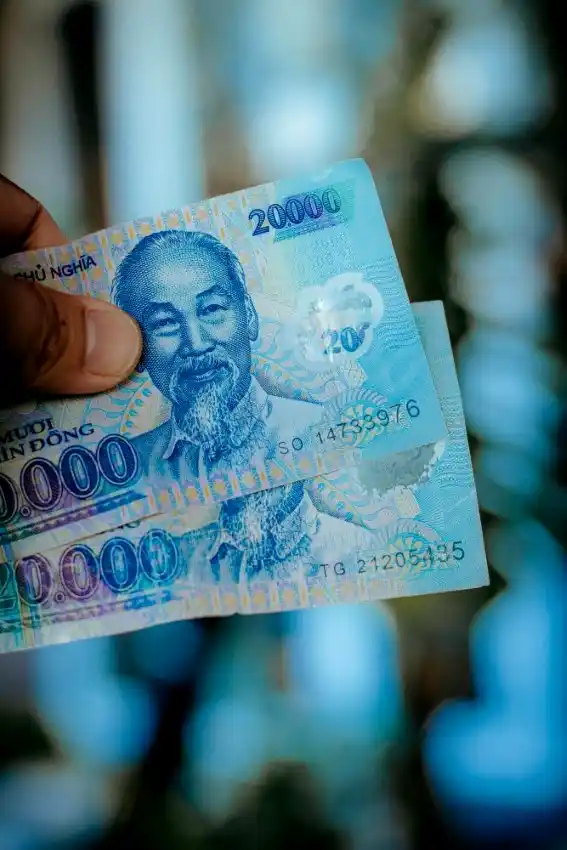
For self-guided day trips and add-on activities around the islands, Get Your Guide consistently turns up well-reviewed options at fair local rates. Given how readily northern weather can scupper a sailing, travel cover that protects against cancellations and delays is a smart buy, and SafetyWing is an easy, flexible pick for exactly that. One last practical note: cash still rules the moment you step off the boat. Carry smaller notes like 20,000 VND, 50,000 VND and 100,000 VND for pearls, fresh fruit from rowing vendors and cold drinks on the beach, because a 500,000 VND ($21 USD) note is near-impossible for remote island sellers to break, and card readers basically don’t exist past the main terminals. Our Vietnam currency and money guide explains the dong properly before you go.
Frequently Asked Questions:
Can you visit Ha Long Bay in a single day?
Yes, a single-day trip from Hanoi is very doable now that the modern express highway has cut the journey to roughly two and a half hours each way. Day cruises usually spend four to six hours touring the central karst network, squeezing in a cave visit and a short kayaking session before getting you back to the capital by evening. You miss the magical sunset and sunrise hours, but if time is tight it is a solid taste of the bay.
Is it better to stay overnight on a boat or on land?
An overnight cruise cabin wins for most people, because it lets you see the bay at sunset and sunrise once the day-trippers have cleared out and the water turns glassy and still. Staying on land in Ha Long City or Tuan Chau Island cuts you off from that marine atmosphere and parks you among fairly standard coastal development instead. Sleep on the water if you possibly can.
What should you pack for an overnight cruise?
Pack lightweight clothing, swimwear, a light jacket for cool evening breezes, and sturdy trainers for the wet, slippery steps inside the limestone caves. Bring a small waterproof dry bag to keep your phone, passport and camera safe during kayaking or a sudden downpour. Our ultimate Vietnam packing list has a full regional checklist if you want one.
How do you get from Hanoi to Ha Long Bay?
The most efficient option is a shared luxury limousine van that collects you straight from your hotel in the Hanoi Old Quarter and uses the expressway to reach Tuan Chau Marina in around two and a half hours. Independent travellers can also book private cars via ride-hailing apps or catch local buses from My Dinh Bus Station. For a full rundown of your transit choices, read our complete guide on getting to Ha Long Bay.
How many nights should you spend on a cruise?
Two nights is the sweet spot for most travellers. A single night feels rushed, with barely time to settle in before you are packing up again, while two nights lets you reach quieter water, fit in more kayaking and cave visits, and actually relax into the rhythm of the bay. Three nights suits anyone chasing the remote corners of Bai Tu Long. If you only have one night, you will still have a lovely time, just expect a busier, more compressed itinerary.
Do I need a separate ticket to enter Ha Long Bay?
In practice, no. There is a standardised bay admission fee, but commercial cruise operators almost always fold it into your package price and handle the paperwork for you. You will rarely buy a ticket separately or queue for one yourself. It is always worth confirming with your operator that the bay fees and any cave entrance charges are included, just so there are no surprises on the day.
Is Ha Long Bay suitable for families with young children?
It can be excellent for families, with the right boat. Calm water inside the bay, swimming stops, cave walks and gentle kayaking all go down well with kids. Look for mid-range or family-focused cruises that offer connecting cabins and flexible meal times, and double-check the operator’s policy on life jackets and minimum ages for activities. The calmer, quieter Lan Ha Bay route often suits younger children better than the busiest central itineraries.
Will my phone work out on the water?
Coverage is patchy once you sail into the deep limestone channels, but you will not be completely cut off. Viettel tends to hold the strongest signal in the bay, so an eSIM on that network gives you the best shot at staying connected. Set it up before you leave Hanoi rather than hoping for port-side WiFi, and treat a couple of offline hours as part of the charm rather than a problem.
How does Ha Long Bay compare to Ninh Binh?
They share the same dramatic limestone scenery, but the experience is completely different. Ha Long Bay is all about the sea, sleeping on a boat among karsts that rise straight out of the water, while Ninh Binh delivers the same karst drama inland, threaded with rivers and rice paddies you explore by rowing boat. Many travellers do both from Hanoi for contrast, and Ninh Binh works especially well as a day trip from the capital.
Is one cruise area better for kayaking than another?
Lan Ha Bay is the standout for paddlers. The water is calmer, the lagoons more pristine, and the cruise traffic far lighter, which makes nosing through hidden caves and quiet inlets a real pleasure. The classic central Ha Long route still offers kayaking, but you share the popular spots with far more boats. If active time on the water is your priority, lean towards Lan Ha.